
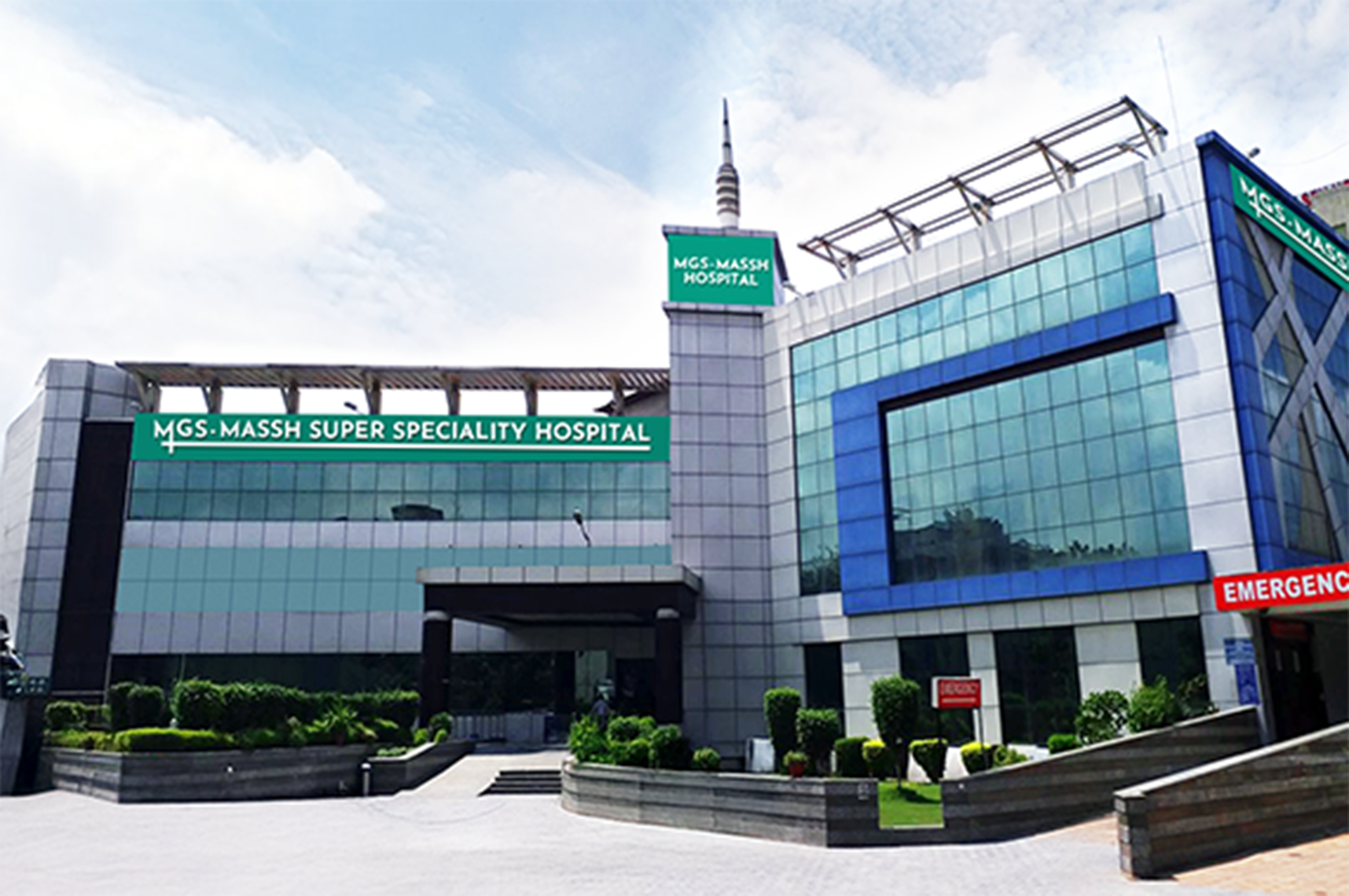
The MASSH Hospital in Delhi is one of the premier destinations for hernia treatment in Delhi. We specialise in treatment through our P5 care principle, which stands for Personalised, Predictive, Participatory, Preventive, and Precise medical care to help our patients live a healthier and fuller life. We ensure our patients get the best medical care thanks to our world-class surgical infrastructure and modular operating theatres.
Our end-to-end medical care services ensure patients recover quickly and can get back to their lifestyle as early as possible. We provide complete in-house treatment for all types of hernia, including but not limited to ventral hernia, inguinal hernia, hiatal hernia, incisional hernia, umbilical hernia, and pelvic hernia. Our treatment processes include 3D laparoscopic inguinal hernia repair, 3D laparoscopic ventral hernia repair, 3D laparoscopic umbilical hernia repair, and 3D laparoscopic incisional hernia repair. The 3D laparoscopic surgeries offered at the MASSH Hospital are highly specialised and performed with extreme precision. This helps reduce any risk of damage to surrounding structures, organs, and tissues.
Book your consultation with our expert surgeons for safe and advanced hernia treatment.
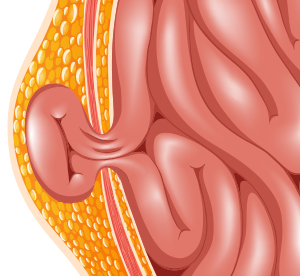
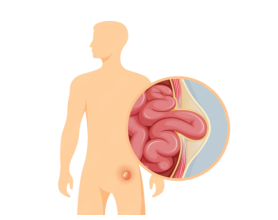
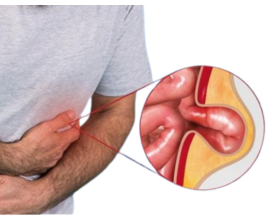
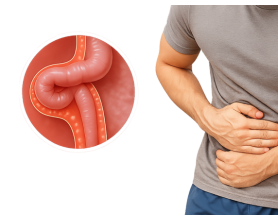
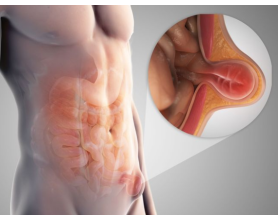
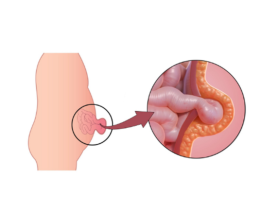
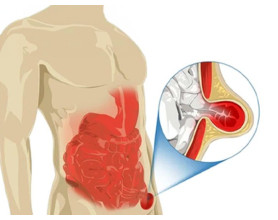
A hernia is a medical condition where internal tissue breaches through weakened muscles to be visible externally (in some cases) as a visible bulge in the body. The breach can be caused by a number of reasons, including previous injury or surgical scar, weakened muscles with age, or chronic coughing or sneezing, among others. Once the tissue or internal organs breach, they can be pushed back in sometimes.
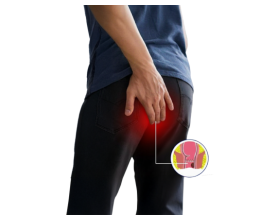
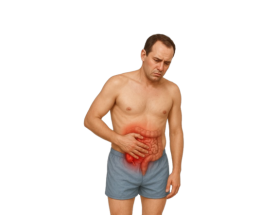
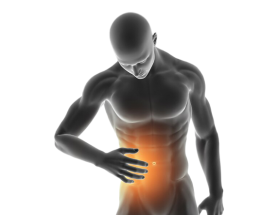
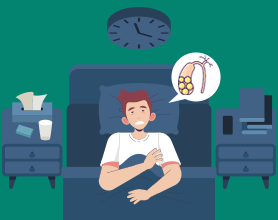
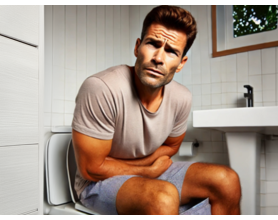
This condition is called a reducible hernia. In general, a breached hernia is soft and tender to the touch. However, if the hernia has become hard, changed colour, or is causing intense pain, it requires immediate medical attention. Some of the most common symptoms of a hernia are: gastrointestinal problems, redness in the herniated area, pain and discomfort, and heaviness or pressure in the area.
Hernia can be caused by a number of factors, both lifestyle-related and due to underlying health conditions. For the most part, the most important symptom of a hernia is the visible bulge it creates that’s visible externally. There are certain types of hernia that do not bulge outward; they can cause medical symptoms in the body, which will be described below. So, let’s review the most important and common causes and symptoms of a hernia.
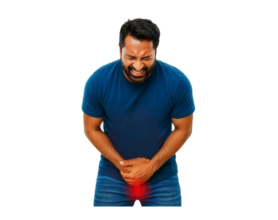
The primary symptom of a hernia is the visible bulge it causes on your body. For the most part, the bulge can be small or large, but it is always tender and soft. It can also disappear when you’re lying on your back. The other symptoms of a hernia are as follows:
Since hernias have an external physical element, the diagnostic process for a hernia is often limited to physical examinations by experienced medical professionals only. However, to determine the extent of the hernia as well as to identify certain types of internal hernia, medical practitioners often use several diagnostic tests, such as:
This is the most basic and the first line of diagnosis for a hernia. A doctor examines the herniated region and tests the tenderness, colour changes, pain, and extent of the hernia physically. The doctors may ask questions to the patient to understand when the hernia originated, as well as questions about the patient’s lifestyle. These questions help patients understand the underlying causes of a hernia and move on to the other medical diagnostic processes of diagnosing a hernia.
As mentioned previously, a part of the diagnostic process is also to study the medical history of the patient to know whether they have had surgery in the past or not. Whether they lift a lot of heavy weights or not. Whether they have recently gained a lot of weight or not. These are factors that can help doctors determine the type of hernia a patient is facing. Based on this information, doctors determine the type of imaging test suited to help them diagnose the hernia effectively.
Doctors can recommend several imaging tests to adequately diagnose a hernia. The tests include an ultrasound, a CT scan, or an MRI test. These tests are used to confirm the presence of the hernia as well as to understand the extent and cause of the hernia. Based on the test results, doctors prepare a personalised treatment plan for the patient at the MASSH Hospital. The treatment plan involves a safe surgical treatment and recovery guidelines.
A hernia treatment process follows two steps primarily. Doctors either recommend watchful waiting to you, where the hernia is too small to affect your physical health. The watchful waiting period is when doctors will keep you in active monitoring to ensure your hernia is not increasing in size and also not causing any negative medical symptoms.
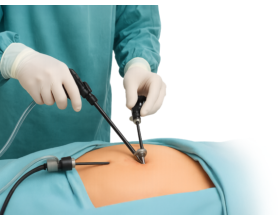
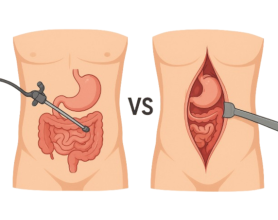
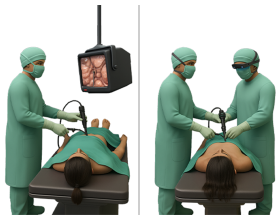
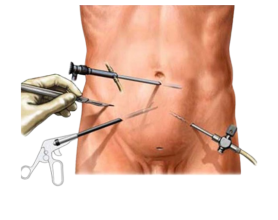
The other treatment option for a hernia is 3D laparoscopic surgery, which is a specialty of the MASSH Hospital. Here are the different types of 3D laparoscopic surgery that are offered at our hospital for hernia repair.
Based on the type of hernia you have, patients can be recommended for different types of treatment. Both surgical and non-surgical treatments can be recommended to patients. However, in most cases, doctors recommend surgical treatment as it is a permanent treatment for a hernia, and it also reduces the risk of recurrence. However, considering hernia is common among the ageing population, surgery may not always be suitable based on health conditions. So, here is an overview of the treatment options recommended by doctors based on hernia type.
| Hernia Type | Overview | Treatment Recommendation |
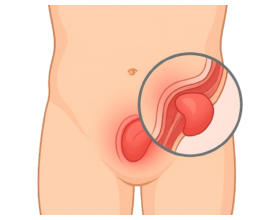
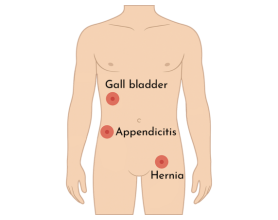
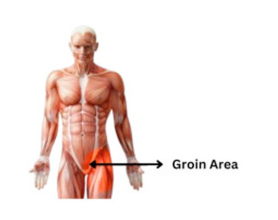
| Inguinal Hernia | An inguinal hernia is located in the groin area, and it is among the most common types of hernia. An inguinal hernia causes the intestines to protrude out of weak spots in the lower abdominal muscles. | 3D laparoscopic hernia repair |
| Umbilical Hernia | Umbilical hernia is located near the navel of the patient. It is common in infants but can also affect adults. An outie navel is not an umbilical hernia. However, having one increases your risk of getting an umbilical hernia. | 3D laparoscopic surgery |
| Incisional Hernia | An incisional hernia is located at the site of a surgical incision. This is common in patients who have had open surgery in the past. The most common area for an incisional hernia is the abdomen; however, it can also happen in the pelvic region. | 3D laparoscopic hernia repair |
| Ventral Hernia | Ventral hernias are bulges in the abdomen caused when an organ pushes out of the weakened abdominal muscles. This type of hernia is often painful. | 3D laparoscopic surgery |
| Hiatal Hernia | The hiatal hernia is located in the upper abdomen or the chest. It occurs when a part of the stomach pushes through the diaphragm and into the chest cavity. This type of hernia is not visible externally, but it causes gastrointestinal symptoms. | Both non-surgical and surgical treatment options |
| Femoral Hernia | Femoral hernia, as the name suggests, forms around the femoral artery. This type of hernia is more common among women. It is when tissues push through the femoral canal, which is a small passage near the groin. This type of hernia is often complex as it easily leads to complications requiring emergency treatment. | Emergency 3D laparoscopic hernia repair surgery |
There are several ways you can prevent a hernia and keep yourself healthy. In general, maintaining your health is a great way to prevent hernia in general. Eating healthy, regular exercise, these are small things that can help you remain hernia-free. The other prevention tips for hernia include:
Our preventive healthcare tips are provided by the top general surgeons in Delhi. We ensure all the advice shared on this website is medically verified by our specialists.
We specifically focus on preventative care at the MASSH Hospital. This is because preventive care after surgery helps patients recover more quickly and live a healthier life. Here are our most common post-treatment care recommendations for hernia.
These guidelines help you recover safely after hernia treatment in Delhi at the MASSH Hospital.
MASSH Hospital in Delhi accepts medical insurance for hernia repair surgeries. The hospital is empanelled with Third Party Administrators (TPAs) and insurance providers to ensure financial accessibility and seamless medical treatments. The covered surgeries include 3D laparoscopic inguinal hernia repair, 3D laparoscopic ventral hernia repair, and 3D laparoscopic umbilical hernia repair surgeries. If medical insurance coverage is supported, patients can opt for a cashless medical treatment facility for these surgeries at MASSH Hospital.
Partnered Insurance Providers
MASSH collaborates with prominent medical insurance companies, including:
Important Notes
If you want to avail a cashless treatment at MASSH, you must get pre-authorisation from your insurance provider. It should also be noted that while insurance providers do cover hernia repair surgeries,
Your specific policy coverage must be checked before the surgery to ensure it is covered by your insurance provider. Lastly, to submit an insurance claim.
Please make sure you carry all necessary documents, including your ID proof, insurance card, and medical reports. For more information about MASSH Hospital’s cashless eligibility, email us directly at info@massh.in
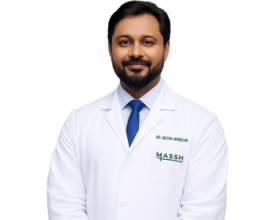
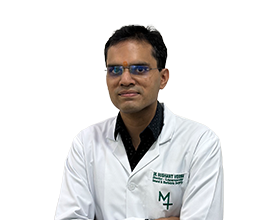
This page is medically reviewed by Dr Sachin Ambekar, the Director of Minimal Access Surgery and Medical Director of the MASSH Hospital, Delhi.
At MASSH we are proud to offer this cutting-edge surgical technique that combines the benefit...
Know More
At MASSH, we are proud to offer 3D Laparoscopic Incisional Hernia Repair, a cutting-edge surg...
Know MoreEmbark on a journey of exceptional healthcare guided by industry's true luminaries who consistently exceed
expectations and set new benchmarks for excellence in everything from cutting-edge innovations to personalized care.

The MASSH Hospital in Delhi specialises in patient care from diagnosis to recovery. This specialisation is what makes us one of the best institutions for hernia treatment in Delhi. Our P5 care principles always ensure patients get the best possible care for their condition at our hospital. We provide the best medical care by:
The MASSH Hospital specialises in hernia repair surgeries that are safe, effective, and offer patients permanent relief from hernia. Our treatment ethos revolves around long-term care for patients. We help our patients build a healthy relationship with their body, with a focus on lifestyle and dietary changes that can improve their lifestyle and overall health. A healthy body and a healthy mind help people prevent conditions like hernias and live a happier life. Here is a look at some of the patients who chose the MASSH Hospital for their hernia repair and found great success.
Check out MASSH Hospital’s Google reviews by searching for 'MASSH Hospital, Delhi' on Google or Google Maps to see why patients trust our general surgery team for advanced care!
If you are experiencing symptoms of a hernia or need a consultation, visit MASSH Hospital in Delhi. Our expert specialists and surgeons will offer you the highest level of care and support to help you treat hernias and prevent recurrence.
MASSH Group of Hospitals is a trusted name in delivering advanced healthcare solutions with a network of premier super speciality hospitals, committed to providing ethical, compassionate, and innovative care. Our expanding network ensures that cutting-edge medical services are always within your reach.
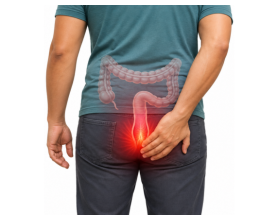
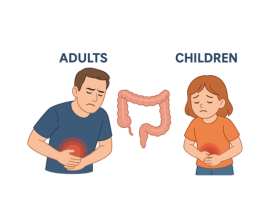
A hernia is a medical condition where internal tissue or organs breach through weakened muscles in the abdomen, pelvic region, groin, or chest to form a bulge. This bulge is often visible externally, and it is soft and tender. Hernia comes with pain and discomfort, as well as other gastrointestinal symptoms, based on the type of hernia you have.
The common symptoms of a hernia are as follows:
No, hernia surgery is not always necessary. If you have a small hernia, your hernia repair surgery may not be required. Doctors may put you on watchful waiting to see if your hernia stays the same or not. In rare cases, small hernias can heal on their own, too, with lifestyle changes.
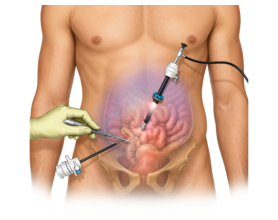
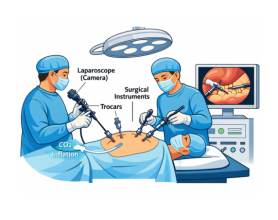
Laparoscopic hernia repair is the most trusted and best hernia treatment in Delhi. It involves making small incisions in the patient’s body to perform the surgery. It has a shorter recovery period, and it allows patients to go home on the same day of the surgery.
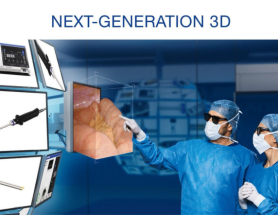
You should choose the MASSH Hospital for your hernia treatment in Delhi because we offer 3D laparoscopic hernia repair surgery. This is the most advanced hernia treatment in Delhi, which involves the use of 3D visualisation of the surgical field. It helps surgeons get depth perception during surgery, which helps make the surgery even safer and improves the speed of the recovery process.
The recovery process post-hernia surgery involves resting for up to 48 hours. You should also follow the doctor’s orders and not lift heavy items for up to 6 weeks after the surgery. The recovery process also requires you to eat healthy and prevent constipation at all costs.
No, hernia surgery does not hurt. This is because the surgery is performed under general anaesthesia, and patients do not feel any pain during the surgery. After the surgery, we offer pain medication to patients to ensure they don’t feel pain.
Hernias are more common in men than in women. However, women’s hernias more commonly become complicated and lead to complications. The most common type of hernia in men is an inguinal hernia, which occurs around the groin.
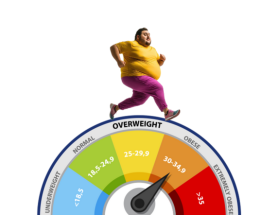
If you smoke regularly and do not maintain a healthy body weight, you are at a high risk of hernias. Apart from that, not regularly exercising and following a healthy diet also play a major role in determining your risk of hernias.
Yes, insurance generally covers hernia treatment in Delhi. To learn more about insurance coverage and whether your insurance provider covers hernia treatment in Delhi or not, talk to your TPA before opting for treatment. This will help you understand whether you can avail of cashless treatment or not.
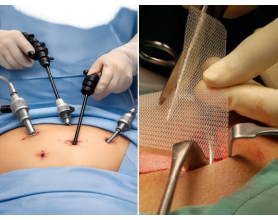
Hernia mesh is a widely used medical device that helps strengthen and support the weakened area of the abdominal wall during hernia repair. It plays a crucial role in reducing the chances of hernia recurrence and promoting long-term healing. However, mesh isn’t always necessary in every case.
🔹 When Is Hernia Mesh Used?
The decision to use mesh depends on various clinical factors, including the type, size, and location of the hernia, as well as the patient’s age and overall health.
✅ Most adult hernia repairs—especially larger, complex, or recurrent hernias—typically involve mesh placement to enhance durability and reduce recurrence.
✅ In smaller hernias or in pediatric cases, surgeons may opt for a non-mesh (tissue-only) repair if they believe it offers the best outcome.
✅ The decision is always based on individualized patient assessment and guided by the surgeon’s expertise.
🔹 Is Hernia Mesh Safe?
Yes, when used appropriately, hernia mesh is considered safe and effective. It has been used successfully in millions of procedures worldwide and is recognized as the gold standard for many types of hernia surgeries.
🔸 Made from biocompatible materials, the mesh integrates well with your body’s tissue.
🔸 It provides added strength to the repaired area, significantly lowering the chance of hernia recurrence.
🔸 At MASSH Hospital, only FDA-approved, high-quality mesh products are used for your safety.
🔹 Are There Any Risks?
As with any surgical implant, there are some potential risks, although they are uncommon and often manageable:
⚠️ Infection near the surgical site
⚠️ Mesh rejection or migration (rare)
⚠️ Chronic pain or discomfort, typically temporary and treatable
✅ Safe, Transparent Care at MASSH Hospital, Delhi
At MASSH Hospital, we prioritize surgical safety, precision, and patient education. Our team of expert laparoscopic surgeons:
We ensure you make an informed decision tailored to your needs, supported by the highest standards of care and hygiene.
Proper care after hernia surgery is essential to support healing, reduce complications, and avoid hernia recurrence. At MASSH Hospital, Delhi, our experts provide individualized post-operative care instructions to ensure a smooth and safe recovery for every patient.
1. Keep the Surgical Site Clean and Dry
2. Avoid Strenuous Activities
3. Follow a Fiber-Rich Diet
4. Cough and Sneeze with Care
5. Take Prescribed Medications Regularly
6. Attend Follow-Up Appointments
7. Know the Warning Signs
Seek immediate medical attention if you notice:
✅ Support Throughout Your Recovery at MASSH
At MASSH Hospital, our surgical and recovery teams are here to guide you at every step. We provide:
By carefully following post-surgery precautions and staying in touch with your care team, you can ensure a safe, comfortable, and complete recovery
Yes, while hernia surgery is highly effective and successful in most cases, there is still a small possibility of recurrence, known as hernia recurrence. This can happen due to a variety of medical, surgical, or lifestyle factors. At MASSH Hospital, Delhi, our goal is to reduce that risk through advanced techniques and patient-centric care.
🔹 Key Factors That Influence Hernia Recurrence
🔹 How We Help Prevent Hernia Recurrence at MASSH
At MASSH Hospital, we follow a comprehensive strategy to prevent hernia recurrence, which includes:
✅ Long-Term Outcomes
While no surgery can guarantee a 100% cure, most patients experience permanent relief and long-term success after hernia repair when they follow the recommended precautions and lead a healthy lifestyle.
If you’re concerned about the possibility of your hernia returning, or want to know how to safeguard your recovery, the specialist team at MASSH is here to support you at every step—from pre-surgery education to post-surgery follow-up care.
Hernias are significantly more common in men, particularly inguinal hernias—which occur in the groin region. In fact, inguinal hernias account for the majority of all hernia cases and are estimated to be 8 to 10 times more frequent in men than in women. This difference is primarily due to anatomical and physiological factors.
🔹 Why Are Hernias More Common in Men?
🔹 Hernias in Women
While less frequent, women can still develop hernias. Common types include:
✅ Comprehensive Hernia Care for All Genders at MASSH Hospital, Delhi
At MASSH Hospital, we provide expert diagnosis and treatment for hernias in both men and women, using advanced laparoscopic and minimally invasive surgical techniques tailored to individual needs. Whether you're at risk, already experiencing symptoms, or seeking preventive guidance, our experienced team is here to support your journey to better health.
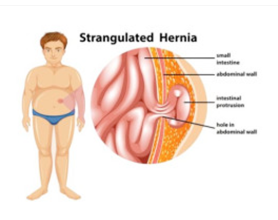
A strangulated hernia is a medical emergency that occurs when the blood supply to the herniated tissue is cut off. This condition can quickly lead to tissue death, infection, and life-threatening complications like sepsis if not treated immediately. Recognizing the symptoms early and seeking urgent medical attention is critical.
🔴 Warning Signs of a Strangulated Hernia
✅ What to Do if You Suspect a Strangulated Hernia
If you or a loved one experiences any of the above symptoms, do not delay seeking medical care. A strangulated hernia requires immediate surgical intervention to restore blood flow and prevent irreversible damage.
At MASSH Hospital, Delhi, our expert surgical team is equipped to handle hernia emergencies with advanced techniques and 24/7 critical care support.
Certain lifestyle habits and day-to-day activities can significantly raise your risk of developing a hernia. These factors often put repeated or excessive pressure on the abdominal wall or gradually weaken the muscles over time. By understanding and modifying these habits, you can reduce the likelihood of hernia formation and promote better abdominal health.
🔄 Common Risk-Enhancing Habits and Conditions:
✅ Tips to Minimize Hernia Risk:
To protect your abdominal wall and overall health, consider adopting the following preventive measures:
At MASSH Hospital, Delhi, we believe that prevention is just as important as treatment. Our specialists not only provide advanced surgical care for hernias but also offer personalized advice to help patients reduce risk factors and maintain long-term abdominal health.
Yes, in many cases, hernias can be prevented or their risk significantly reduced by adopting certain healthy lifestyle habits. These changes help strengthen the abdominal wall, reduce internal pressure, and improve overall physical health.
✅ Effective Lifestyle Habits to Lower Hernia Risk:
At MASSH Hospital, Delhi, we believe that prevention is a powerful tool in protecting long-term health. Alongside expert surgical care, our team provides personalized advice to help you adopt lifestyle habits that minimize your risk of developing a hernia.
Scheduling a hernia consultation at MASSH Hospital, Delhi is simple and convenient. Our team is ready to guide you through every step of your care journey.
📅 Ways to Book Your Appointment:
🩺 What to Expect During Your Consultation:
At MASSH, your comfort, safety, and care are our top priorities. Our specialists are here to provide trusted guidance and world-class treatment tailored specifically for you.


 Book Appointment








































 Explore More

 Quick Enquiry
  Call(24*7)