
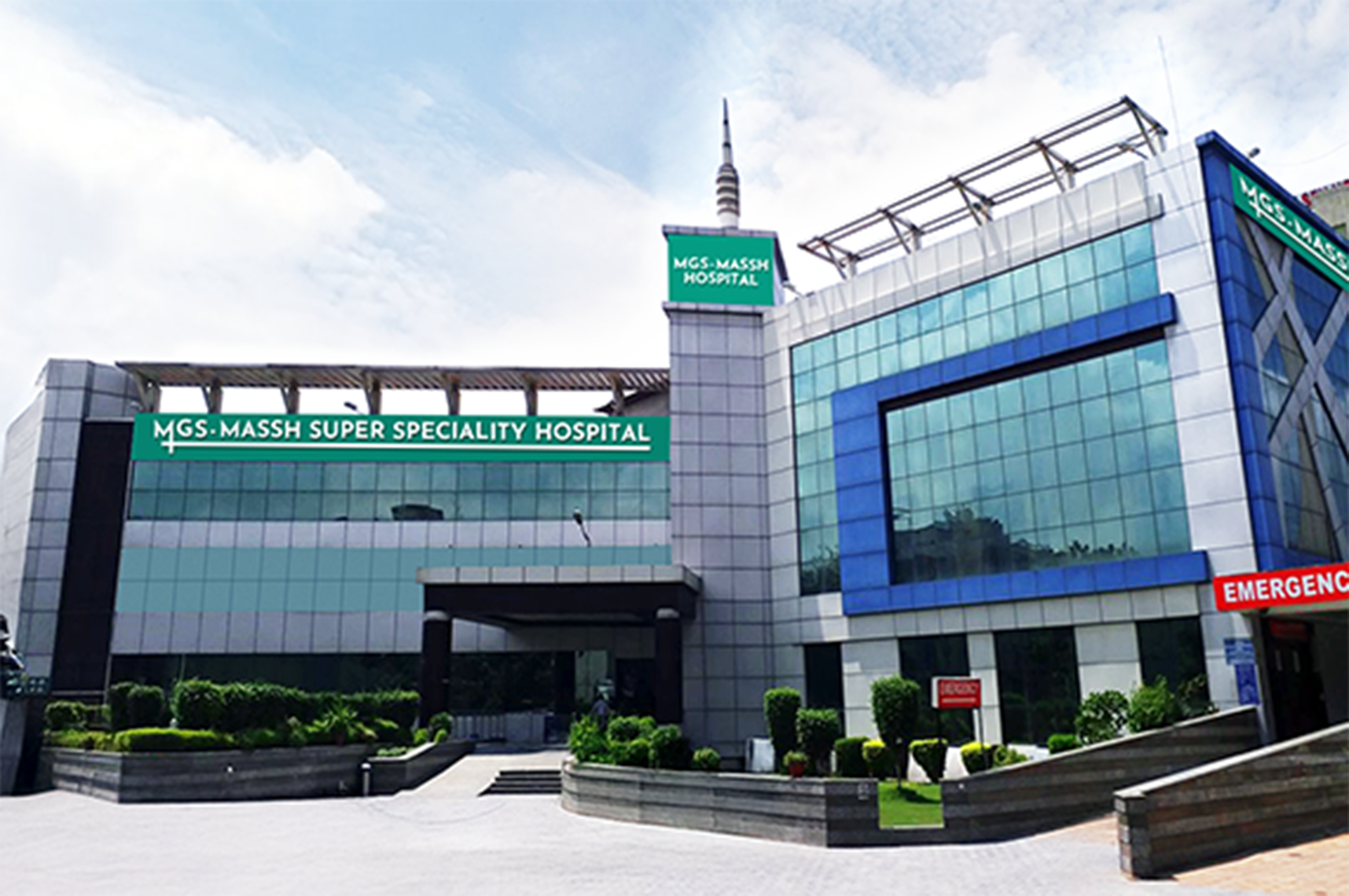
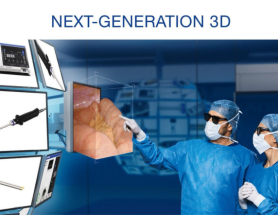
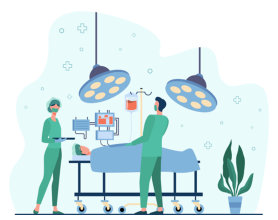
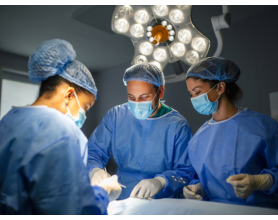
The MASSH Hospital in Delhi is one of the premier destinations for gallstone treatment because of our advanced specialisation in surgical infrastructure. We ensure every surgery performed at our premises is safe and performed with utmost perfection. This is made possible thanks to our world-class surgical infrastructure that includes international-standard surgical suites. What does that translate to in terms of gallstone treatment? It translates to the fact that gallstone surgery at the MASSH Hospital is performed in under 10 minutes in most cases. This level of surgical efficiency allows easier and quicker recovery for patients while ensuring complete surgical safety with 3D visualisation, something that prevents damage during surgery.
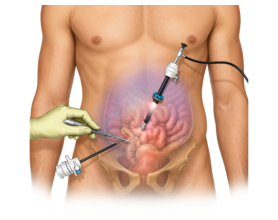
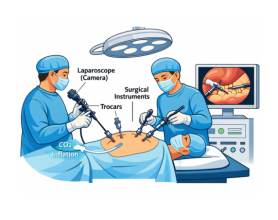
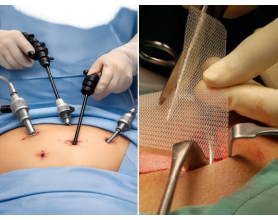
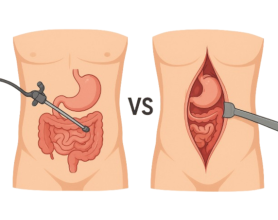
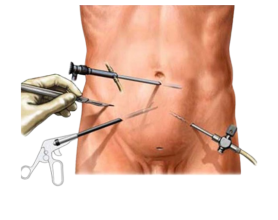
At the MASSH Hospital, we specialise in 3D laparoscopic cholecystectomy, which is the safest and most reliable long-term treatment for gallstones. It also eliminates the risk of gallbladder cancer in patients, as the gallbladder is surgically removed in this procedure. Other surgical processes we specialise in include 3D laparoscopic surgery and Endoscopic Retrograde Cholangiopancreatography (ERCP). The surgical prowess of MASSH Hospital is strengthened by our P5 care principles, which stand for Predictive, Participatory, Precise, Personalised, and Preventive care.
If you are experiencing symptoms of gallstones or have been diagnosed with gallbladder stones, consulting a qualified specialist can help determine the most appropriate treatment approach.
At MASSH Super Speciality Hospital, patients receive comprehensive evaluation and advanced treatment options for gallstone disease.
Book an Appointment for Gall Stone Treatment
Our specialists provide accurate diagnosis and personalized treatment plans using advanced medical technology.
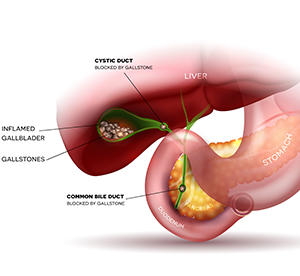
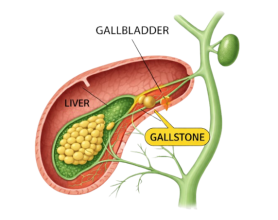
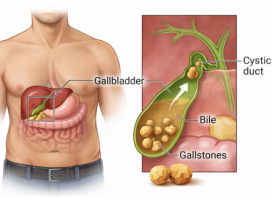
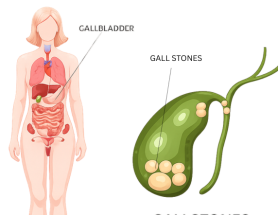
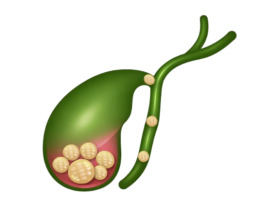
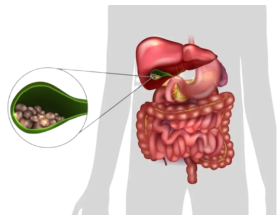
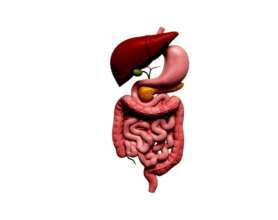
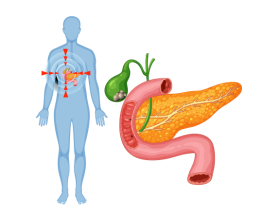
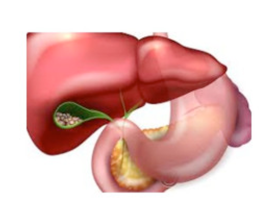
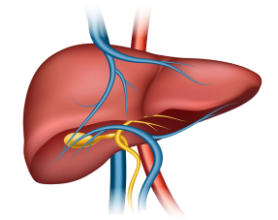
Gallstones are hardened bile deposits in the gallbladder that are formed due to numerous underlying health and dietary problems. The gallbladder releases bile to the small intestine to digest fats. So, when people have a very fat-rich diet regularly, and there is a change in the balance of how bile is formed, the bile thickens. The thicker bile hardens and forms small solid particles that forms and gradually grow into gallstones.
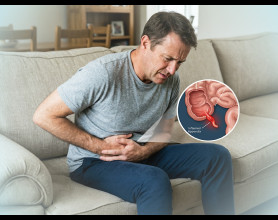
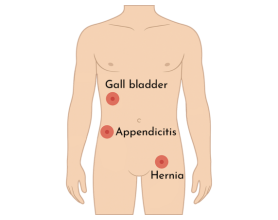
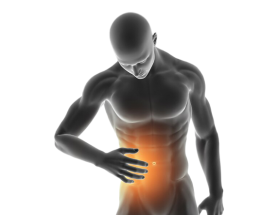
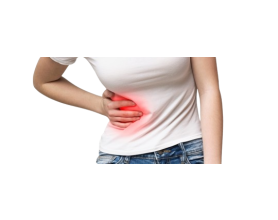
Gallstones sometimes take years to form, and they remain asymptomatic for the most part. Gallstones only cause symptoms when the gallbladder has to squeeze itself to send bile when you’re having a fatty meal. Other times, gallstones cause symptoms when they get lodged in the biliary tract, and they stop the flow of bile in your body. These symptoms are commonly identifiable as intense pain that comes from the upper right quadrant of your abdomen.
Gallstones can be caused by a number of lifestyle and dietary-related factors. This is one of the conditions that’s preventable with better lifestyle and dietary habits. In very rare cases, underlying medical conditions cause gallstones. However, with the right lifestyle choices, patients can prevent the extent of gallstones caused by underlying factors. The symptoms of gallstones are similarly caused by lifestyle factors, such as poor dietary habits. This is why it is considered that gallstones can be entirely prevented with a better lifestyle and diet. The most common causes and symptoms of gallstones are shared below to support that.
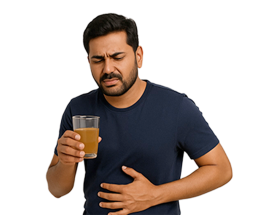
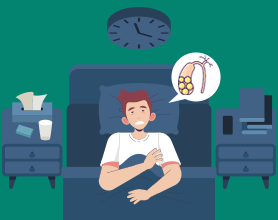
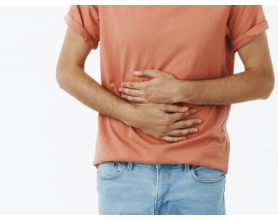
Gallstones are asymptomatic for the most part. However, when symptoms arise, the most common symptom is often the pain that’s associated with gallstones. The pain is sharp and constant in nature. The pain is often described as very bad by patients and requires medical attention. The other symptoms of gallstones include:
Gallstones are often diagnosed only when they become symptomatic. Apart from symptoms, gallstones can only be diagnosed using imaging tests that are performed regularly as a part of your normal health checkups. If your gallstones are found at a time when you don’t have symptoms, doctors may help you improve your lifestyle and recommend scheduled surgery to eliminate the gallstones in a timely manner before symptoms arise. Here’s a detailed look into how gallstones are diagnosed after symptoms arise.
The medical history of the patient, including any history of gallstone in the family can often help doctors understand their risk of gallstones. Also, a physical examination is performed where the upper right quadrant of the abdomen is examined to notice inflammation and tenderness. This physical examination helps doctor pinpoint the cause of the symptoms. However, despite experienced doctors being able to diagnose gallstones with a physical examination, they recommend the following steps as well for medical clarity.
The blood tests recommended for a gallstone diagnosis are related to your liver function, inflammation in the body, and infection. These blood tests help doctors understand the presence of inflammation in your body through C-reactive protein tests as well as the presence of infections caused due to the presence of bile flow blockage in your biliary tract. The blood tests help doctors find more about the impact of gallstones on your health, including your liver function.
When the blood test reports are presented and doctors can identify that inflammation exists in the body, imaging tests are ordered to confirm their suspicions. The most common imaging tests ordered for the diagnosis of a gallstone are:
In some cases, doctors even go for endoscopic evaluation with a camera scope that’s inserted into the patient’s body orally. The endoscopic evaluation helps doctors identify the exact location and number of gallstones in the patient's body. In some cases, the endoscopic method is also used for gallstone removal.
Gallstone treatment often comes in two forms, namely laparoscopic surgery or ERCP. There are no other treatment options for gallstones because the surgical treatments are extremely effective, and they help patients eliminate the risk of gallbladder cancer. In some cases, doctors recommend medicinal treatment; however, these treatments are subject to gallstone recurrence. And gallstone recurrence increases the risk of gallbladder cancer. This is why surgical treatment is often most commonly recommended for gallstones.
3D laparoscopic cholecystectomy is a specialty of the MASSH Hospital, as we provide 3D visualisation during surgery that helps reduce surgical risks and improve surgical outcomes. Below is a list of the most common treatment options for gallstones.
Based on the size of the gallstone, treatment options differ. For very small gallstones, the treatment may be watchful waiting or medications. However, multiple small gallstones may also require surgical intervention. Here’s a detailed overview of the common gallstone sizes and the treatment options that correspond.
| Gallstone Size | Treatment Option |
| <5 mm gallstones (Small) | Watchful waiting with medications (Ursodiol) |
| 5 mm to 10 mm gallstones (Medium) | Stones this size cause symptoms and pain. They require surgical treatment with either 3D laparoscopic cholecystectomy or ERCP. |
| 10 mm to >15 mm gallstones (Large) | Stones this size have a high risk of blocking the biliary tract and require immediate surgical intervention as they’re also symptomatic. |
| Multiple small stones | This situation also requires surgical intervention to prevent the risk of stones getting lodged in the biliary tract. |
Gallstones can be prevented with the right lifestyle and dietary practices. It is possible to prevent gallstones when you can keep your cholesterol levels in check and your liver healthy. That’s made possible by maintaining a healthy body weight and going through weight loss, if required. Here are the most common gallstone prevention tips listed.
The preventive measures mentioned above are a major part of the preventive healthcare practices promoted at the MASSH Hospital. We help our patients form a better relationship with their health and prevent conditions from recurring.
Recovery after laparoscopic gallbladder surgery is usually quick.
Typical recovery timeline:
Doctors may recommend a low-fat diet during the initial recovery period.
Many patients wonder whether it is possible to live normally without a gallbladder.
The gallbladder is not essential for survival. After surgery, bile flows directly from the liver into the intestine.
Most people experience normal digestion and can return to their usual lifestyle after recovery.
| Foods to Avoid | Reason |
|---|---|
| Fried and fatty foods | Increase bile cholesterol levels |
| High sugar foods | May contribute to metabolic imbalance |
| Processed foods | Low fiber and high unhealthy fats |
Patients are often advised to include fiber-rich foods, lean proteins, and adequate hydration as part of a healthy diet.
Although not all gallstones can be prevented, certain lifestyle habits may help reduce risk.
Maintaining a balanced diet rich in fiber, fruits, and vegetables may support healthy digestion. Staying physically active and maintaining a healthy body weight are also important factors in preventing gallstone formation.
Gradual weight loss is recommended for individuals trying to reduce weight, as rapid weight loss can increase the likelihood of gallstones.
Untreated gallstones may lead to complications over time.
These may include inflammation of the gallbladder (cholecystitis), blockage of bile ducts, or infection within the biliary system. In some cases, gallstones may trigger pancreatitis if they obstruct the pancreatic duct.
Timely diagnosis and treatment can significantly reduce the risk of such complications.
Individuals should consult a doctor if they experience:
Early medical evaluation can help determine whether gallstones are present and whether treatment is necessary.
After the surgery, the common post-recovery treatment focuses on the surgery site safety and preventing infections. We help our patients care for their surgical wounds at home with detailed guidelines. We also ensure they’re recovering well with regular patient follow-ups and check-ups. Here are our most followed post-treatment care instructions after a gallstone surgery.
Gallstone surgery is generally considered medically necessary for patients with symptoms and as such it is covered under medical insurance coverage. The MASSH Hospital in Delhi accepts medical insurance for gallstone repair surgeries. The hospital is empanelled with Third Party Administrators (TPAs) and insurance providers. This ensures patients can avail both medical insurance coverage for gallstone repair surgery at the MASSH Hospital and they are also able to avail of features like cashless medical claims. The medical insurance coverage for gallstone treatment at the MASSH Hospital, Delhi includes, 3D laparoscopic cholecystectomy and ERCP surgeries. For cashless facility patients must speak to their specific TPAs to get prior authorisation before the procedure.
Partnered Insurance Providers
MASSH collaborates with prominent medical insurance companies, including:
Important Notes
If you want to avail a cashless treatment at MASSH, you must get pre-authorisation from your insurance provider. It should also be noted that while insurance providers do cover gallstone surgeries,
Your specific policy coverage must be checked before the surgery to ensure it is covered by your insurance provider. Lastly, to submit an insurance claim.
Please make sure you carry all necessary documents, including your ID proof, insurance card, and medical reports. For more information about MASSH Hospital’s cashless eligibility, email us directly at info@massh.in.
The cost of gallbladder surgery varies depending on several factors, including:
Patients should consult their doctor to receive a detailed treatment estimate based on their individual case.
MASSH Super Speciality Hospital offers advanced care for patients with gallstones.
Key strengths include:
The focus is on providing safe and effective treatment while ensuring faster recovery for patients.
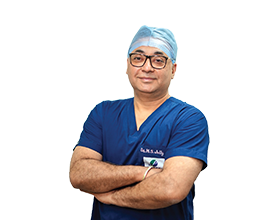
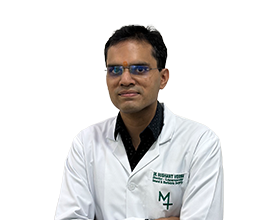
Dr. Sachin Ambekar
MBBS, MD, MS (General Surgery)
Director – Minimal Access Surgery & Medical Director
MASSH Super Speciality Hospital, Delhi
Dr. Sachin Ambekar is an experienced surgeon specializing in minimally invasive and laparoscopic procedures. With extensive experience in advanced surgical techniques, he has treated numerous patients with gallbladder and gastrointestinal conditions using modern surgical approaches.
This information is intended for educational purposes and should not replace professional medical advice. Patients should consult a qualified healthcare professional for diagnosis and treatment.
Embark on a journey of exceptional healthcare guided by industry's true luminaries who consistently exceed
expectations and set new benchmarks for excellence in everything from cutting-edge innovations to personalized care.
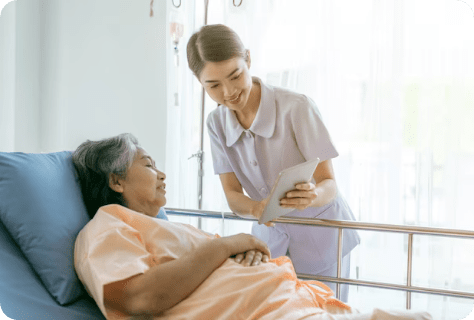
Gallstone treatment is quick and safe at the MASSH Hospital. However, what makes our treatment quick and safe is our infrastructure, team, care principles, and understanding of patient needs. Here’s an overview of each of those segments and how they influence patient outcomes.
Patient recovery is very quick when they choose MASSH Hospital for their gallstone surgery. For our patients, same-day hospital discharge is common, and we also ensure our patients are properly taken care of even when they’re recovering at home. Our P5 care principles ensure we always help patients get the right care to prevent complications post-surgery. It also ensures we are vigilant and extremely careful while performing surgical treatments. This improves surgical outcomes for patients and helps them recover quickly without risk. Here’s a detailed look at some of the patients who found great success choosing the MASSH Hospital for their gallstone surgery.
Our team at MASSH Hospital specialises in advanced laparoscopic and general surgery, which has transformed countless lives. Our patients’ stories and treatment phase reflect our compassionate care and cutting-edge expertise, as well as the trust they place in our skilled team of healthcare professionals.
Check out MASSH Hospital’s Google reviews by searching for 'MASSH Hospital, Delhi' on Google or Google Maps to see why patients trust our general surgery team for advanced care!
If you are experiencing symptoms of a gallstone or need a consultation, visit MASSH Hospital in Delhi. Our expert specialists and surgeons will offer you the highest level of care and support to help you treat gallstones and prevent recurrence.
MASSH Group of Hospitals is a trusted name in delivering advanced healthcare solutions with a network of premier super speciality hospitals, committed to providing ethical, compassionate, and innovative care. Our expanding network ensures that cutting-edge medical services are always within your reach.
If your gallstones are bigger than 5 mm, gallstone surgery is necessary to protect you from many medical risks. The risks include biliary tract blockage, the risk of pancreatitis, and the risk of gallbladder inflammation. For these reasons, gallstone surgery is necessary.
On average, gallstone surgery takes less than 30 minutes. At the MASSH Hospital, the gallstone surgery has been performed in under 10 minutes. This shows the level of precision and perfection offered by the specialists at the MASSH Hospital.
Yes, laparoscopic gallbladder surgery is the safest treatment option for gallstones. This type of surgery is minimally invasive and requires very little time to recover. Most people are back to their normal lifestyle within one week of the surgery when they choose the MASSH Hospital.
No, gallstones cannot come back after the surgery because the gallbladder is removed as part of the gallstone removal surgery. The removal of the gallbladder is important to prevent the recurrence of gallstones and to prevent gallbladder cancer. In fact, a human being can survive without the gallbladder, which is why it is removed from the body.
No, recovery is not painful after laparoscopic surgery at the MASSH Hospital. This is because we help patients with adequate pain medication once the effects of anaesthesia wear off. The pain medication, both at the hospital and prescribed to be consumed at home after the urgery help patients reduce pain and recover comfortably after surgery.
When you choose to get your gallstone surgery at the MASSH Hospital, you can get back to work within one week of the surgery. This is made possible at MASSH, thanks to our specialised surgical procedures that aid quick recovery and safe recovery for patients.
Yes, gallstones are significantly more common in women; in fact, the symptoms of gallstones also differ in women because they do not always feel pain in the upper right quadrant of the abdomen. Women often experience referred pain for gallstones, which is experienced in the right shoulder or back.
If you leave gallstones untreated, they can lead to complications in the body of the patient. The complications include a risk of jaundice, a risk of pancreatitis, a risk of gallbladder inflammation, and, lastly and most importantly, gallbladder cancer.
You can live a normal life with gallstones if you maintain a healthy lifestyle and dietary habits. This is made possible because some gallstones, when they’re smaller than 5 mm, can pass through the biliary tract and help you live a healthy life with medication and lifestyle changes.
Yes, in most cases, gallstone surgery is covered by medical insurance. If you want to learn more about your specific insurance coverage, make sure you talk to your TPA and learn about the coverage of gallstone surgery under your specific policy.
Whether or not gallbladder removal is necessary depends on the severity of your symptoms and any related complications. In many cases, surgery is the most effective long-term solution, but it is not always required for everyone.
When Gallbladder Removal (Cholecystectomy) Is Recommended:
✅ Persistent Symptoms: If you experience recurring pain, especially after meals, or signs of inflammation, surgery is usually advised to prevent further issues.
✅ Complications: Conditions like cholecystitis (inflammation), bile duct blockage, or pancreatitis caused by gallstones typically require surgical intervention.
✅ Preventing Recurrence: Removing the gallbladder eliminates the source of stone formation, significantly reducing the chances of future gallstone-related problems.
When Surgery May Not Be Necessary:
🔍 No Symptoms (Silent Gallstones): If gallstones are discovered incidentally and you don’t have any discomfort or complications, your doctor might recommend monitoring the condition rather than immediate surgery.
🥗 Lifestyle Management: In such cases, dietary changes, weight management, and regular follow-ups may help reduce the risk of stone-related complications over time.
Always consult with a qualified surgeon or gastroenterologist to understand the best approach based on your health, symptoms, and diagnostic findings.
Recovering from gallbladder removal, especially when done through laparoscopic surgery, is typically smooth and straightforward. Most patients experience mild symptoms and are able to return to their normal routines within a short period.
🔹 Recovery and Healing
🔹 Digestive Changes
🔹 Post-Operative Guidance
In most cases, people feel better quickly and return to a normal lifestyle with minimal long-term effects. Always follow your surgeon’s instructions for the best recovery outcome.
Yes, making smart dietary choices after gallbladder removal can help your digestive system adjust and prevent discomfort. Since the gallbladder is no longer storing bile, digestion—especially of fats—can change. A gradual and balanced dietary approach is key to a smooth recovery.
🔹 Recommended Dietary Guidelines Post-Surgery:
Every individual heals differently, so it’s important to follow your doctor’s personalized dietary advice. Over time, many patients are able to return to a normal, balanced diet without major restrictions.
Yes, it is entirely possible to live a healthy and normal life without a gallbladder. After gallbladder removal, your liver continues to produce bile, which now flows directly into the small intestine instead of being stored. While your digestive system may need some time to adjust, most people recover fully and experience little to no long-term impact on their daily lives.
🔹 What to Expect After Gallbladder Removal:
With the right care and dietary habits, living without a gallbladder should not interfere with your long-term health or well-being.



 Book Appointment


























 Explore More

 Quick Enquiry
  Call(24*7)