
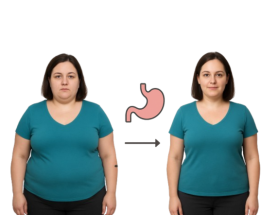
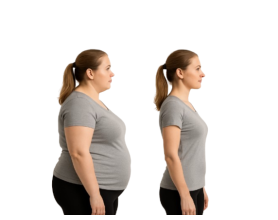
Bariatric surgery is a specialized medical procedure designed to help individuals with severe obesity achieve significant and sustainable weight loss. The surgery works by reducing the size of the stomach or modifying the digestive system so that patients consume fewer calories and feel full sooner.
For individuals struggling with obesity and related health conditions, bariatric surgery in Delhi has become an effective treatment option when lifestyle changes such as diet, exercise, and medications do not provide sufficient results.
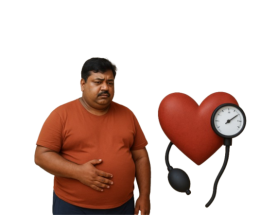
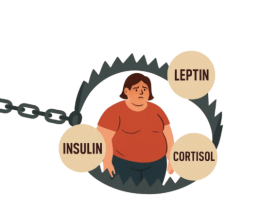
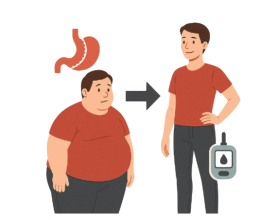
Obesity is associated with several serious health risks, including type 2 diabetes, high blood pressure, heart disease, joint problems, and sleep apnea. Bariatric surgery can significantly reduce these risks while improving overall quality of life.
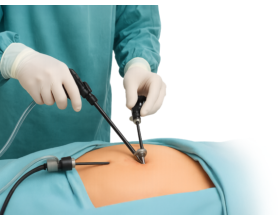
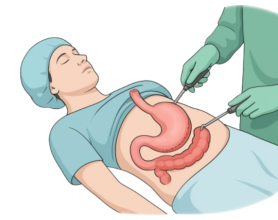
Modern bariatric procedures are typically performed using minimally invasive laparoscopic techniques, which involve smaller incisions, faster recovery, and reduced postoperative discomfort.
At MASSH Super Speciality Hospital, bariatric surgery programs are designed to provide comprehensive care including medical evaluation, advanced surgical treatment, and long-term support to help patients maintain successful weight loss.
If you are struggling with severe obesity, uncontrolled weight gain, or obesity-related health conditions such as diabetes, high blood pressure, or sleep apnea, consult the experienced bariatric surgery specialists at MASSH Super Speciality Hospital, Delhi.
Our team offers comprehensive evaluation and advanced minimally invasive weight loss procedures including sleeve gastrectomy, gastric bypass surgery, mini gastric bypass, and metabolic surgery to help patients achieve sustainable weight loss and improved health.
📞 Call Now: +91-7290975999
📅 Book Appointment Online
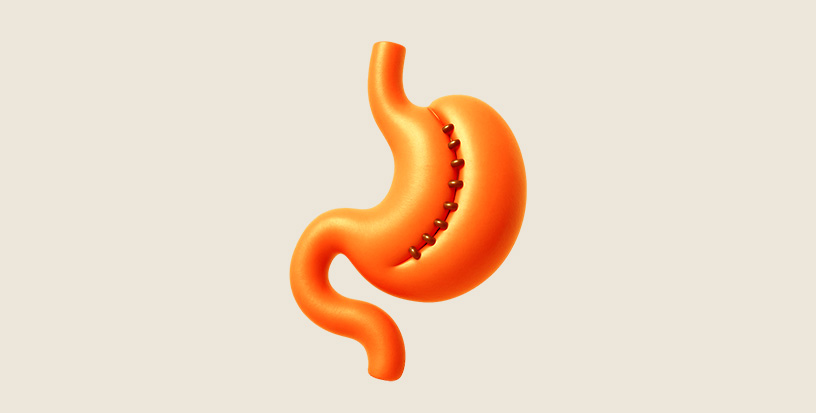
Bariatric surgery, also known as weight loss surgery or metabolic surgery, refers to a group of procedures that help patients lose weight by altering the digestive system.
These procedures work by:
Doctors usually recommend bariatric surgery for patients with severe obesity who have not achieved long-term weight loss through non-surgical methods.
The primary goals of bariatric surgery include:
Different bariatric procedures are available depending on the patient's health condition, BMI, and weight loss goals.
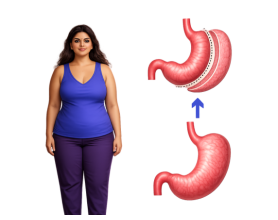
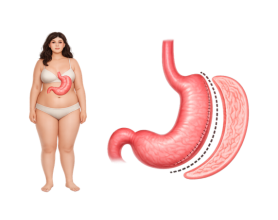
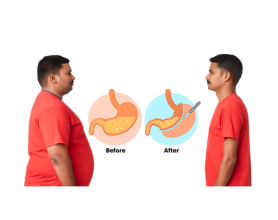
Sleeve gastrectomy is one of the most commonly performed weight loss procedures. During this surgery, a large portion of the stomach is removed, leaving a smaller sleeve-shaped stomach.
Key benefits include:
This procedure is widely recommended for individuals with moderate to severe obesity.
Gastric bypass surgery, also known as Roux-en-Y gastric bypass, involves creating a small stomach pouch and connecting it directly to the small intestine.
This procedure works by:
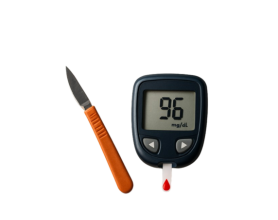
Gastric bypass is often recommended for patients with obesity and metabolic diseases such as diabetes.
Mini gastric bypass is a simplified variation of traditional gastric bypass surgery. It involves creating a small stomach pouch and bypassing a section of the small intestine.
Benefits include:
Single Anastomosis Duodeno-Ileal Switch (SADI-S) is an advanced bariatric procedure often recommended for patients with severe obesity and metabolic diseases.
This surgery combines sleeve gastrectomy with intestinal bypass to achieve significant weight loss.
Some patients who previously underwent bariatric surgery may require revision procedures if they experience inadequate weight loss or complications.
Revision surgery helps correct earlier procedures and improve long-term results.
| Surgery Type | Mechanism | Diabetes Remission |
| Sleeve Gastrectomy | Restriction. | High |
| Roux-en-Y Gastric Bypass (RYGB) | Combined | Very High |
| SADI-S | Combined | Moderate |
| BPD/DS | Malabsorption | Highest |
| Mini Gastric Bypass | Malabsorption | High |
Bariatric surgery is recommended for individuals who meet specific medical criteria.
Eligibility usually includes:
Doctors also evaluate:
A comprehensive medical evaluation helps determine whether bariatric surgery is an appropriate treatment option.
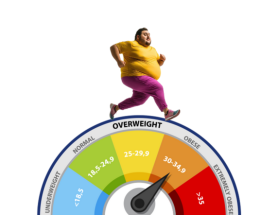
Body Mass Index (BMI) is an important measurement used to assess whether a patient may benefit from bariatric surgery.
BMI is calculated using height and weight and helps estimate body fat levels.
General BMI guidelines include:
Patients with BMI above 40 or BMI above 35 with serious health conditions may be considered for bariatric surgery.
Doctors also consider other factors such as metabolic diseases, previous weight loss attempts, and overall health before recommending surgery.
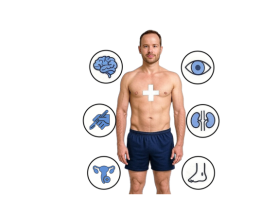
Bariatric surgery offers several health benefits beyond weight loss.
Many obesity-related conditions improve significantly after surgery.
Potential benefits include:
For many patients, bariatric surgery can dramatically improve overall physical health and quality of life.
At MASSH Hospital in Delhi, we evaluate each patient individually to recommend the most suitable procedure, ensuring both safety and optimal results.
Typically, weight-loss surgeries like bariatric procedures are considered only after individuals have made medically supervised efforts to lose weight through improved diet and regular physical activity, but have not achieved the desired results.
For many patients, bariatric surgery can dramatically improve overall physical health and quality of life.
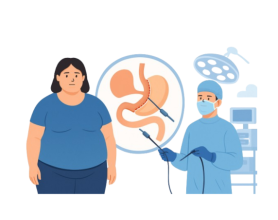
Most bariatric surgeries today are performed using minimally invasive laparoscopic techniques.
During laparoscopic surgery:
Advantages of laparoscopic bariatric surgery include:
Most bariatric procedures take 1–3 hours depending on the surgical technique used.
Patients usually remain in the hospital for 2–4 days after surgery for monitoring and recovery.
Proper preparation helps ensure a safe and successful surgical outcome.
Pre-surgery preparation typically includes:
Patients may also be advised to follow a special diet before surgery to reduce liver size and improve surgical safety.
Smoking cessation and alcohol restriction are often recommended prior to surgery.
Recovery after bariatric surgery varies depending on the procedure performed and individual health factors.
Typical recovery stages include:
Regular follow-up visits with doctors and nutrition specialists help ensure successful recovery and long-term weight loss.
Weight loss after bariatric surgery varies depending on the procedure and individual commitment to lifestyle changes.
Many patients lose 50–70% of excess body weight within one to two years after surgery.
Weight loss typically occurs in phases:
Long-term success depends on following dietary recommendations, regular exercise, and medical follow-up.
The cost of bariatric surgery can vary depending on several factors.
These include:
In Delhi, bariatric surgery procedures may range approximately between ₹2,50,000 and ₹6,00,000, depending on the surgical technique and treatment plan.
Patients are encouraged to consult with specialists to receive an accurate estimate based on their medical needs.
Like any surgical procedure, bariatric surgery carries certain risks.
Possible complications may include:
However, these risks are minimized when surgery is performed by experienced surgeons and when patients follow recommended postoperative care.
Bariatric surgery requires long-term lifestyle changes to maintain successful weight loss.
Patients are advised to:
Adopting healthy lifestyle habits helps maintain weight loss and improves overall health.
You should consult a specialist if:
Early consultation helps determine the most appropriate treatment approach.
MASSH Super Speciality Hospital offers comprehensive care for patients seeking bariatric surgery.
Key features include:
The hospital focuses on providing safe, evidence-based care to help patients achieve sustainable weight loss.
“After my sleeve gastrectomy at MASSH Hospital, I lost 35 kg in 12 months. The support from Dr. Sachin Ambekar and the nutrition team was exceptional.” – R.K. Delhi
“I traveled from Noida for my Mini Gastric Bypass. The team made me feel safe and confident. My diabetes is now under control.” – S.P., Gurugram
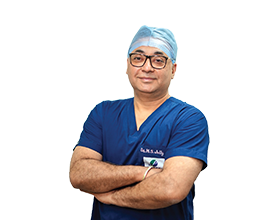
Dr. Sachin Ambekar
MBBS, MD, MS (General Surgery)
Director – Minimal Access Surgery & Medical Director
MASSH Super Speciality Hospital, Delhi
This information is intended for educational purposes and should not replace professional medical consultation. Patients should consult qualified healthcare professionals for diagnosis and treatment.
Embark on a journey of exceptional healthcare guided by industry's true luminaries who consistently exceed
expectations and set new benchmarks for excellence in everything from cutting-edge innovations to personalized care.

Obesity and metabolic disorders have become significant health challenges in India, particularly in urban centers like Delhi. When lifestyle modifications, diet, and medications are insufficient, bariatric surgery offers a medically proven solution to achieve sustainable weight loss and improve overall health. At MASSH Hospital, our state-of-the-art bariatric program in Delhi combines advanced technology, a multidisciplinary team, and patient-centered care to ensure safe and effective outcomes.
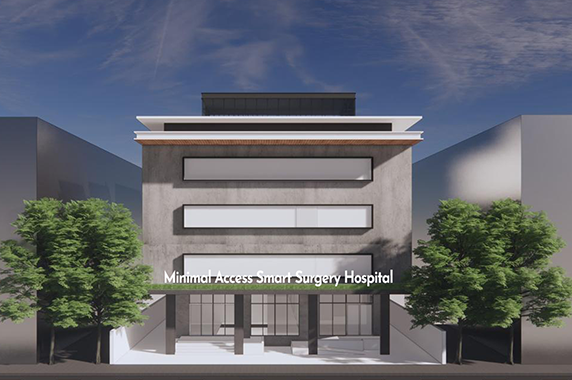
One of our key areas of expertise is minimal access surgeries also known as minimally invasive or laparoscopic procedures. These advanced techniques involve performing surgical interventions with smaller incisions, using specialized instruments and cameras to visualize and access the affected area. Minimal access surgeries offer several benefits, including reduced post-operative pain, faster recovery times, shorter hospital stays, and minimal scarring. Our state-of-the-art facilities are equipped with cutting-edge technologies including:
Our bariatric team is led by Dr. Sachin Ambekar, a renowned bariatric surgeon with over 24+ Years of experience and thousands of successful procedures. Supported by expert anesthesiologists, nutritionists, endocrinologists, and psychologists, MASSH Hospital delivers a comprehensive approach to weight loss surgery, focusing not just on the procedure but also on long-term lifestyle and health management. we offer an end-to-end program designed to transform your health journey.
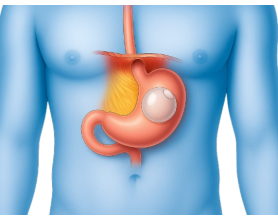
At MASSH Hospital, your well-being is our priority whether you're undergoing gastric bypass, sleeve gastrectomy, or ballooning, our expert team is dedicated to helping you achieve sustainable weight loss in a supportive, patient-focused environment.
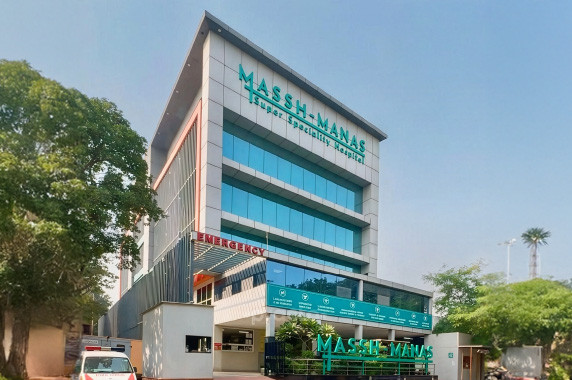
MASSH Group of Hospitals is a trusted name in delivering advanced healthcare solutions with a network of premier super speciality hospitals, committed to providing ethical, compassionate, and innovative care. Our expanding network ensures that cutting-edge medical services are always within your reach.
Weight loss varies depending on the procedure, adherence to diet, and lifestyle. Most patients achieve 60–70% excess weight loss within 12–18 months.
Yes, especially when performed by experienced surgeons like our team at MASSH Hospital using laparoscopic techniques. Pre- and post-operative care ensures maximum safety.
Most patients stay 2–4 days post-surgery. Recovery is faster with minimally invasive procedures.
Many insurance plans cover bariatric surgery if medically necessary. Our team assists with claim processing in Delhi.
Yes, long-term success requires adherence to a specialized diet plan and ongoing lifestyle changes.
Yes, we accommodate patients from all over India and provide remote follow-up guidance post-discharge.
Some metabolic procedures like adjustable gastric banding are reversible, but most, like sleeve gastrectomy and bypass surgeries, are permanent anatomical changes.
Many patients stop or reduce their medications soon after surgery, but your diabetes status will be monitored closely. Some may need low-dose medications temporarily during the transition phase.
As with any surgery, there are risks like bleeding, infection, or nutritional deficiencies. However, modern minimally invasive techniques have made these procedures very safe with high success rates at experienced centers like MASSH.
While diabetes improvement is often rapid, full weight loss and metabolic benefits usually unfold over 6–12 months, supported by regular follow-ups, dietary adjustments, and exercise.
Most bariatric procedures take between one and three hours.
Most patients return to work within two to four weeks depending on recovery.
Weight regain may occur if healthy lifestyle habits are not maintained.


 Book Appointment













 Explore More

 Quick Enquiry
  Call(24*7)
  Whatsapp