Written by MASSH
Dec 18, 2025
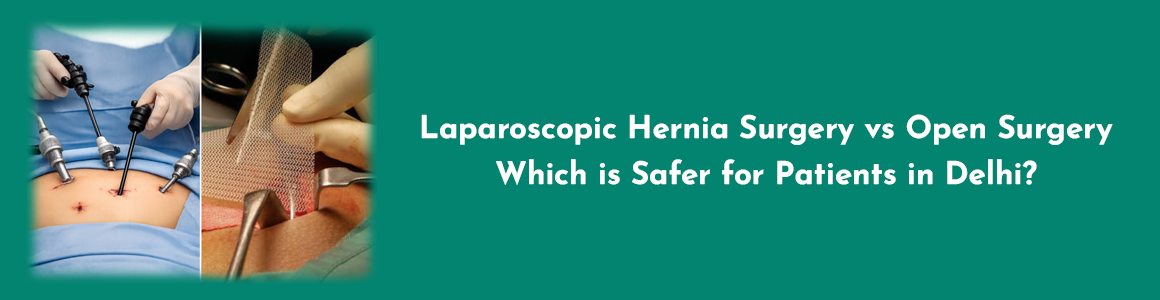
Hernia, as a medical condition, can only be permanently treated with corrective surgery. Laparoscopic and open surgery are both different surgical processes that are recommended by surgeons based on the particulars of your case. Minimally invasive surgery (laparoscopic surgery) has lower risks and a faster recovery timeframe.
However, in some cases, the hernia cases can be very complex, which require open surgery over laparoscopic surgery. Doctors understand and study the particulars of your case before recommending open surgery.
So, for Delhi patients, before you learn about which hernia surgery type is safer, let’s understand the different types of hernia. We’ll also learn when and how doctors determine which surgery procedure to recommend to you based on crucial factors.
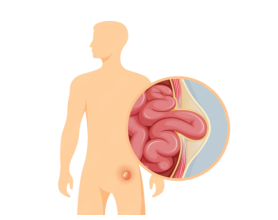
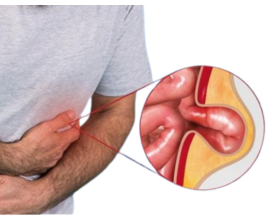
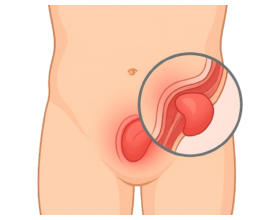
There are primarily five types of hernia that require surgical treatment. Based on the type and the severity of the hernia, surgeons decide whether you qualify for laparoscopic surgery or open surgery.
Open surgery refers to any surgery where the surgeons use a large incision to access the internal organs of the patient directly. In such cases, no cameras are used. The surgery is performed by the doctors with a clear view of the surgery site. Open surgery was the standard for all surgeries before the invention and subsequent popularisation of laparoscopic surgery.
As the surgical standard for decades, it would be outright false to say that open surgery is not safe. Doctors and surgeons who perform open surgery are highly trained and take every precaution possible to ensure patient safety.
Yes, there are certain limitations with open surgery, such as a longer recovery period and wound healing, which also requires extensive post-surgical care. However, in many cases, it becomes the only corrective surgical option and can even potentially save a patient’s life.
Laparoscopic surgery in general can be summarised in one word: precision. The primary difference between a microsurgery and open surgery lies in the fact that microsurgeries do not make one large incision. Instead, the surgeons make two or three small incisions, which are used to access the surgery site. Here’s a quick breakdown.
Laparoscopic surgery is currently the gold standard in safety and recovery time among surgery types. Since the incisions are smaller, it doesn’t require a long recovery period, with complete recovery possible in two to four weeks. On top of that, laparoscopic surgery also has fewer postsurgical complications since the incisions are small and can potentially heal faster.
Overall, laparoscopic surgery is recommended first for hernia repairs in most cases. Open surgery is only recommended for cases where laparoscopic surgery can’t effectively treat the hernia. This minimally invasive procedure is considered the default because of its safety, precision, low recovery time, and reduced tissue trauma, reducing the risk of future hernia.
There are different factors involved in the safety of laparoscopic and open hernia surgery. From a base standpoint, laparoscopic surgery may seem safer, but here are the detailed comparative reasons why that is.
Comparison | Open Surgery | Laparoscopic Surgery |
| Surgical Trauma & Incisions | Open surgery requires a larger incision, which causes more surgical trauma compared to laparoscopic surgery. Due to the larger size of the incision, open surgery requires more tissue handling, which can even increase your risk of future incisional hernia. | Laparoscopic surgery requires multiple small incisions. The size of the incisions never goes beyond a few centimeters at most. This leads to lower tissue handling and lower risk of incisional hernia. So, even though there are multiple incisions done, their size and precision make laparoscopic surgery safer compared to open hernia surgery. |
| Post-operative Pain & Comfort | A larger incision takes longer to heal, and it also gives rise to post-operative pain when the effects of anaesthesia wear off. Open surgery requires a longer hospital stay of at least one week to ensure your surgery site is recovering appropriately. | Laparoscopic hernia surgery, in comparison, has lower pain and discomfort than open surgery. It has lower hospitalisation requirements, with patients being cleared for discharge in just a few days. |
| Infection & Post-operative Risks | The larger incision of an open surgery runs a higher risk of infection. A larger wound also takes longer to heal and requires specialised care to keep it safe against infections and other problems. | Laparoscopic surgery has a lower infection risk and also a lower risk of postoperative complications. This is simply because the incisions are smaller and more precise in a laparoscopic surgery. |
| Recovery Time & Return to Daily Activities | The recovery time for an open hernia surgery can range from one month to two months for a complete recovery and return to daily activities. The surgery at the very least requires around one to two weeks of hospitalisation before discharge for safe recovery. Even post-discharge, patients must follow strict protocols for timely recovery and prevention of infections and other complications. | Laparoscopic hernia surgery has a lower recovery time compared to open surgery. Patients can be discharged in a few days after surgery, with some patients even being able to go home the very next day after the surgery. Additionally, postsurgical care, though required, does not need to be followed for as long as open hernia surgery. Patients can go back to daily life activities in one or two weeks after the surgery, barring heavy or physically strenuous activities. |
When treating a hernia, an open surgery may be required in complex or emergency cases. In those scenarios, open surgery practically becomes life-saving surgery. So, it is crucial to understand that safety in medicine goes beyond recovery times and pain. In some cases, laparoscopic surgery may not be an effective treatment, like when:
In all of the cases mentioned above, an open hernia surgery is the safer choice. Not because it will have a lower recovery time or an easier surgical experience, but simply because it can potentially save a life.
While laparoscopic surgeries can be more convenient for patients, no one standard in medicine can fit all patient requirements. So, it is crucial to discuss your options based on the merits of your case with your surgical team without any preconceived notions. It can potentially improve surgical outcomes.
Laparoscopic surgeries are not safer only by design, but also thanks to the expertise and skills of the surgeons. So, when you’re understanding patient safety in laparoscopic procedures, it is pivotal to note the role of experienced and trained surgeons.
With the right surgeons, caregivers, and hospital infrastructure, it is possible to lower the risks associated with microsurgery and ensure you have a safe and quick surgical experience. To put it into perspective, here are the two things that define how important microsurgical expertise is in patient safety.
So, in summary, just choosing laparoscopic surgery over open surgery is not enough. You must also choose the right surgeon and the right hospital for your surgery. This will help you recover faster and have a much safer experience while going through the required corrective measures.
For hernia surgery patients in Delhi, MASSH offers the safest surgical experience thanks to all the factors outlined in the previous section. MASSH hosts the most experienced laparoscopic surgeons who are experienced in managing complex hernia repairs.
The hospital also boasts world-class infrastructure that makes going through the surgery easier and safer for patients. Important surgical infrastructure, like 3D laparoscopic surgery and advanced imaging techniques, ensures perfect surgical outcomes and highly precise surgeries with no tissue or surrounding organ damage.
MASSH also offers detailed pre- and post-surgical care that lowers risk levels further. Many patients who go through hernia repair surgery at MASSH can get discharged within 48 hours of the surgery and recover at home, thanks to MASSH’s comprehensive patient care. To learn more about how hernia surgery is safer for patients in Delhi at MASSH, book a consultation with our specialists today.
1. Is laparoscopic hernia surgery safer than open surgery for all types of hernias?
It is important to answer this question in two parts. First, laparoscopic hernia surgery is safer than open surgery. However, this does not apply to every scenario and all types of hernias. In some cases, where the hernia is very large or is causing medical emergencies like bowel obstructions or strangulation, an open surgery is safer.
2. Which hernia types are best treated with laparoscopic surgery?
Most hernia types are best treated with laparoscopic surgery, with inguinal, hiatal, incisional, and ventral hernias having the most successful treatments with laparoscopic surgery.
3. How long is the recovery time after laparoscopic vs open hernia surgery?
The recovery time after laparoscopic hernia surgery can range between two to four weeks for a full recovery and going back to your daily life. For open hernia surgery, the recovery time can range from one to two months for a full recovery. Strenuous physical activity is restricted for some time after the surgery in both cases.
4. Can all patients undergo laparoscopic hernia repair, or are there limitations?
Yes, almost all patients, with very few exceptions, can go through laparoscopic hernia repair surgery. The limitations would only be if the hernia is too big, the patient has an anaesthesia risk, or if previous surgeries have made it challenging to opt for a laparoscopic surgery.
5. How does a surgeon decide whether laparoscopic or open hernia surgery is safer for a patient?
Surgeons make these decisions based on the underlying health condition of the patient, including their age, comorbidities, hernia location, severity, and hernia size.
Learn about hernia treatment in Delhi, early symptoms, warning signs, costs, and when to consult a doctor for timely medical care.
Written by MASSH
May 06, 2026
Find the best hernia treatment in Delhi — top doctors, surgery options, symptoms, and cost insights to help you choose the right care.
Written by MASSH
Nov 25, 2025
Get advanced short stay hernia surgery in Delhi with minimal pain, quick recovery, and 24 hours discharge at MASSH Hospital.
Written by MASSH
Nov 10, 2025



 Quick Enquiry
  Call(24*7)