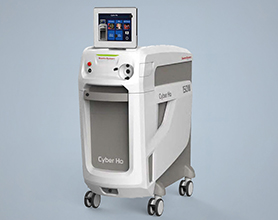
HoLEP surgery is one of the most advanced surgical treatment options for Benign Prostatic Hyperplasia (BPH). The treatment is performed as a minimally invasive surgery with extreme precision. This helps patients recover early and limits the risks of the surgery significantly. The HoLEP surgery uses a Holmium laser, which is one of the most advanced medical and surgical technologies available in the world. The MASSH Hospital in Delhi is among the few destinations in the National Capital Region that host this advanced technology for the surgical benefit of patients.
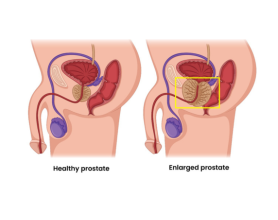
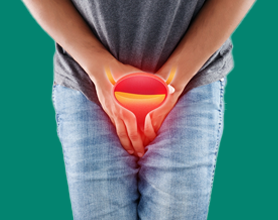
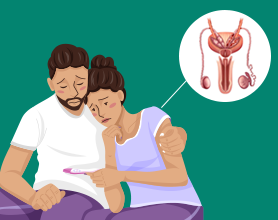
BPH is a common condition among men over the age of 50. It has a high incidence rate as men grow older. The condition refers to a non-cancerous growth of the prostate, which inhibits the patient’s ability to urinate and even ejaculate in some cases. Since the condition is non-cancerous, it does not put up immediate red flags for doctors. However, being unable to empty your bladder entirely can lead to a higher risk of recurrent urinary tract infections. They can worsen your renal health and put your overall health at risk, especially as you age. This is why it is crucial to opt for treatment for BPH with advanced surgeries like HoLEP.
Holmium Laser Enucleation of Prostate, or HoLEP, is an advanced minimally invasive surgery. HoLEP is a laser-based surgical procedure where the high-powered laser is used to vaporise excess prostate tissue that’s blocking urine flow. The best part about the HoLEP surgery is that it is practically non-invasive.
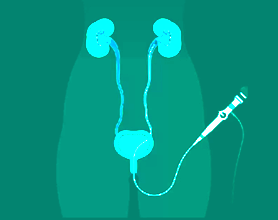
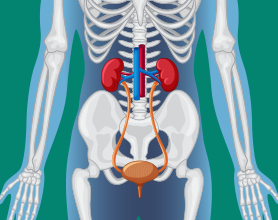
What that means is, the HoLEP surgery does not involve making any external incisions into the patient's body. The surgical tools are inserted through the urethra to perform the surgery. The surgical tools are inserted through the urethra and are pushed in to make their way up the urinary tract. HoLEP surgery is highly effective for BPH cases of all complexities. It offers long-term relief for BPH patients without putting their health at risk.
At the MASSH Hospital, HoLEP is performed with the highest precision by the most experienced urologists in the Delhi NCR region. The use of this advanced laser technology ensures:
HoLEP surgery is the preferred surgical treatment for an enlarged prostate. This is primarily because of its effectiveness and the risks associated with traditional surgery. The advantages of minimally invasive technology have made surgeries safer as is. HoLEP stands as a next-level minimally invasive surgery as it improves surgical precision and removes obstructing prostate tissue by simply vaporising it. All these factors help with quicker recovery and better patient outcomes.
The advantages speak for themselves and show HoLEP as one of the most advanced and durable surgical solutions for BPH management.
Even though BPH is not cancerous, it has its own health risks. If the condition is left untreated, it can gradually worsen, making it harder to urinate and empty the bladder. It also increases your risk of recurrent UTIs, which can impact your renal health and overall health significantly. Additionally, there’s also a risk of bladder stones and kidney stones from urine retention in the body. For these reasons, it is crucial to get treatment for BPH as and when it happens.
HoLEP is not only one of the most effective treatment options for BPH, but it is also one of the safest and most important treatment options. It completely removes the enlarged prostate part and helps improve natural urine flow again. Since the surgery is done using a laser, it minimises blood loss during the surgery and makes it safe for people of all ages. Another reason why HoLEP outperforms other surgical treatments for BPH is that HoLEP doesn’t rely on creating a narrow channel inside the overgrown prostate. It effectively removes excess prostate growth, which leads to longer management of symptoms and overall health improvements.
Some of the top reasons HoLEP is effective are that it:
HoLEP is widely believed to be the gold standard for BPH treatment currently. And if you’re opting for the surgery in Delhi, you can get the best-in-class HoLEP treatment for BPH at the MASSH Hospital in Delhi.
HoLEP surgery is performed as a minimally invasive or laparoscopic surgery. The surgery is designed to reduce excess prostate tissue from the body. This surgery is so effective that it helps in long-term symptomatic relief for patients and doesn’t require multiple surgeries to achieve sustainable improvement.
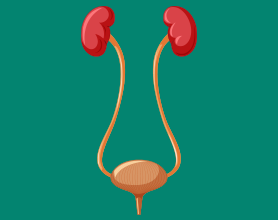
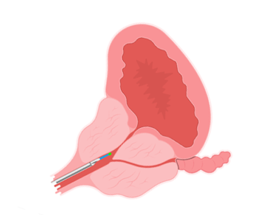
The HoLEP surgery is performed without any external incisions as the surgical instruments are inserted into the body through the urethra. A special laparoscopic device with the holmium laser attached to it is used to perform the surgery. The tool makes its way up the urinary tract and reaches the prostate, where it removes the enlarged portion of the prostate using the holmium laser. The excess tissue is vapourised and it minimises damage to surrounding tissues.
Benign Prostatic Hyperplasia is primarily the condition that’s treated using HoLEP surgery. The surgery can help manage several complications associated with long-standing prostate obstructions. Here is a list of the most common problems treated using HoLEP surgery.
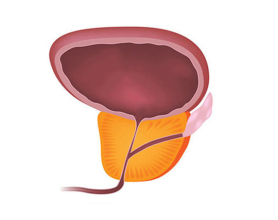
BPH is the main condition that’s treated using HoLEP surgery. This condition affects men as they age. It is a non-cancerous growth of the prostate gland due to endocrinological changes in the male body as they age. The growth of the prostate causes the urethra to compress and limit urine flow.
HoLEP surgery is the gold standard treatment option for BPH, as it helps remove excess tissue causing the blockage. It provides long-term symptomatic relief and improves urinary function in patients.
Severe prostate enlargement can sometimes be caused by injuries or unexpected bodily changes. These changes can cause the patient to be completely unable to urinate altogether. This is a serious medical condition, and it is called urinary retention.
HoLEP surgery is used to remove the urinary obstruction and help restore normal bladder function again. It also helps reduce the dependence of patients on urinary catheters.
While HoLEP is not specifically used for general urinary complications, in some cases, it is considered if the prostate enlargement is primarily the cause of other symptoms or conditions. The complications where HoLEP is often considered include:
By addressing the root cause (enlarged prostate), HoLEP surgery can help prevent these complications and help patients live a healthier and better life overall.
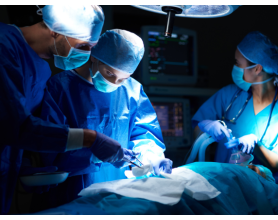
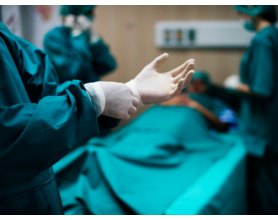
On the day of the surgery, the patient is asked to stay calm and remain admitted to the hospital. The statement about being calm is not just about your nerves; your blood pressure levels also need to be normal at (120/80) for the surgeons to put you under anaesthesia. When you’re admitted, there may be some final tests and checkups performed by the hospital to get you ready for the surgery. Once that’s done, you’ll be transported to the operating theatre for the surgery.
The surgery takes somewhere between 60 and 180 minutes based on the size of the prostate. The patients do not experience discomfort during the surgery due to anaesthesia. Once the surgery is complete, a catheter is attached to the patient’s urethra to improve urinary excretion from the body. The catheter is kept overnight until the patient regains their ability to urinate normally. The treatment allows patients to regain additional urinary flow soon after the treatment.
Before the surgery, your urologist will perform a detailed evaluation of your current health and assess the size of the prostate and urinary symptoms. This assessment includes blood tests, urine tests, ultrasound scans, uroflowmetry, and other diagnostic investigations.
Patients are typically advised to:
The part where patients undergo the surgery is the calmest since the patient is under anaesthesia and is not responsive to any discomfort during the procedure. As the surgery can take somewhere between an hour and three hours, the effects of anaesthesia may take another few hours to wear off.
The surgery involves inserting the endoscopic holmium laser into the body through the urethra to vaporise or remove the excess prostate tissue. This procedure doesn’t require any external incisions into the body and helps with long-term symptomatic relief. A catheter is placed in the urethra of the patient following the surgery to support bladder drainage during the initial recovery period.
Most patients experience improvements in urinary flow after the surgery. The catheter is also removed within 24 hours of the surgery, and many patients are free to be discharged at that point. To support a healthy recovery in patients, the following standards are maintained.
HoLEP surgery is performed entirely through the urinary tract. No external incisions are made into your body, which helps patients who would generally not be recommended for surgery to also get the HoLEP procedure done. At the MASSH Hospital in Delhi, HoLEP surgery is performed with extreme precision that allows the removal of enlarged prostate tissue while minimizing any trauma to surrounding structures. The minimal trauma helps improve recovery time for patients when they undergo HoLEP surgery at the MASSH Hospital in Delhi.
Incisions cause pain during recovery. They are primarily one of the main pain factors for recovering patients that requires dependence on pain medication. The quicker recovery of HoLEP surgery is powered by the improved surgical precision that’s offered at the MASSH Hospital. Lower pain after the surgery directly allows patients to restart their lives after the surgery without any problems. The absence of wounds and reduced bleeding are what make recovery faster and smoother.
At MASSH, we take care of our patients. This is why we ensure our patients are able to retain and preserve their urinary function. This is made possible using the HoLEP surgery, as it is very precise and does not damage any surrounding structures of the prostate. The surgery also helps manage frequent urination as it helps manage urinary retention. In simple words, the HoLEP surgery at MASSH specialises in helping patients regain normal urinary habits without risking their lives.
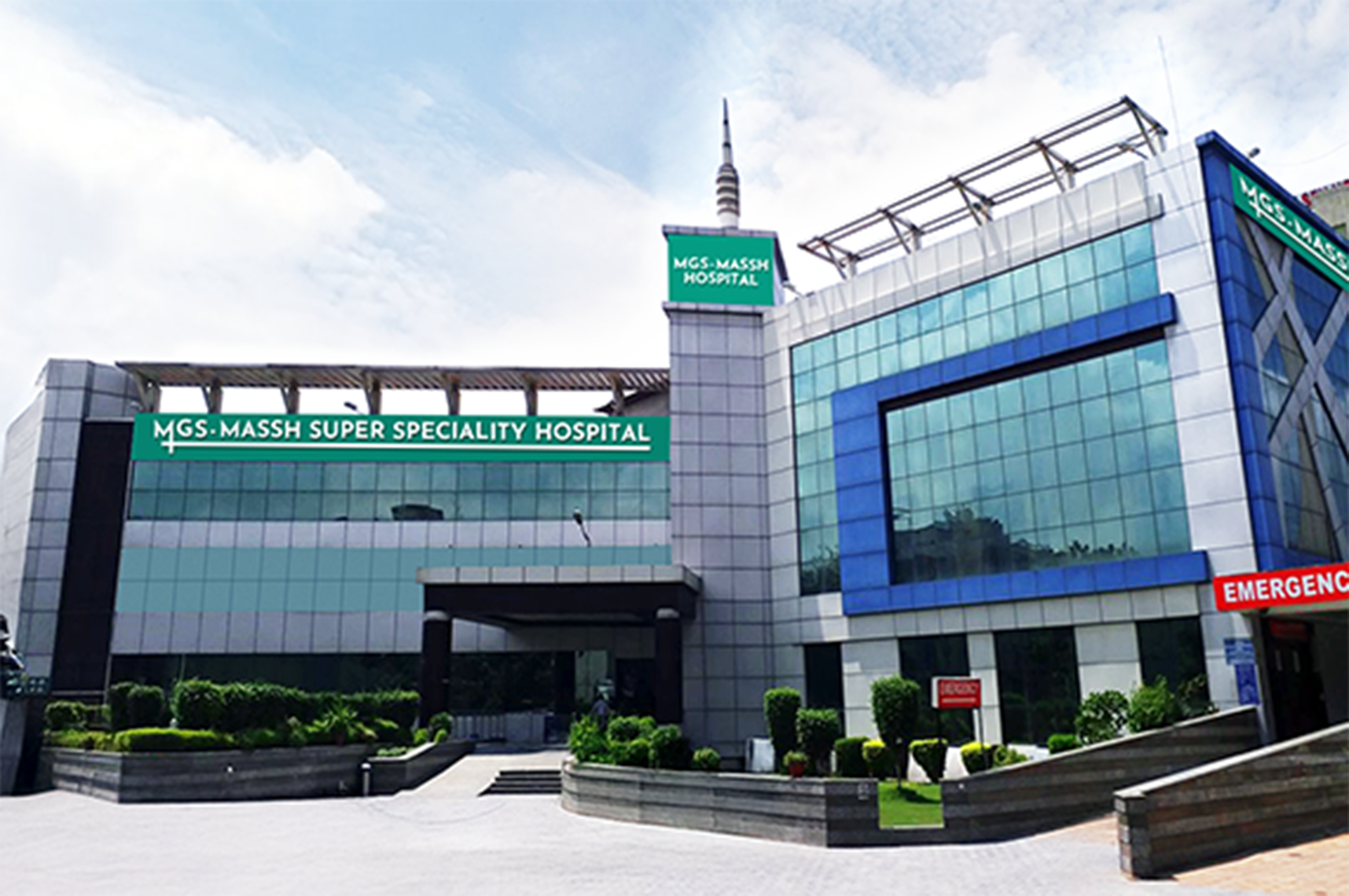
When you get your surgery at the MASSH Hospital in Delhi, the risk of complications is remarkably low. This is because the surgery is performed by experienced and expert surgeons who are highly trained in performing specialised HoLEP surgeries. Additionally, the surgery is also performed in world-class modular operating theatres that are immaculately maintained by the hospital staff. The surgical infrastructure, matched with the skill of the surgeons, is what helps patients reduce the risk of complications at the MASSH Hospital
Embark on a journey of exceptional healthcare guided by industry's true luminaries who consistently exceed
expectations and set new benchmarks for excellence in everything from cutting-edge innovations to personalized care.
The MASSH Hospital is well equipped with an advanced laser system and modern urological infrastructure that offers safe urological outcomes for patients. The safety of HoLEP procedures at the MASSH Hospital is ensured by the state-of-the-art hospital infrastructure available on hand. The infrastructure includes advanced diagnostic facilities, modular operating theatres, patient-focused care protocols, and the services of highly specialised medical technology.
Our team of highly skilled surgeons at the MASSH Hospital is highly trained and experienced in managing BPH complications and treating any size of prostate enlargement. This is made possible by their specialised training, personalised treatment plans, and overall experience as leading urologists and urological surgeons in Delhi.
At MASSH Hospital, we prioritize minimally invasive treatments. This is our goal to help our patients recover without pain, minimise hospital stays, and support faster recovery. HoLEP allows patients to benefit from effective symptom relief. It also helps reduce complication rates, reduce bleeding during and after surgery, and facilitate a quick return to a normal lifestyle. For all these reasons, both MASSH and minimally invasive surgeries are the right choice over traditional healthcare institutions and surgeries. Through comprehensive pre-operative evaluation and dedicated post-operative care, we ensure a seamless treatment journey from diagnosis to recovery.
Delaying enlarged prostate treatment can be detrimental to your health in the long term. The severity of the condition should be taken seriously when you’re experiencing symptoms, and adequate treatment should be sought in due time. Failure to do so can lead to the following complications.
MASSH Group of Hospitals is a trusted name in delivering advanced healthcare solutions with a network of premier super speciality hospitals, committed to providing ethical, compassionate, and innovative care. Our expanding network ensures that cutting-edge medical services are always within your reach.
Yes, in most cases, HoLEP surgery is covered under health insurance. However, it must be medically recommended and deemed necessary for the procedure to be covered by insurance. Generally, HoLEP is recommended by surgeons only when medically necessary and not as a preventive surgery. This makes it more likely for patients to get insurance clearance for their procedure. However, to be sure about insurance coverage, please contact your TPA before the procedure to know about the specific coverage details of your policy.
HoLEP surgery can take anywhere from 60 minutes to 180 minutes (1 hour to 3 hours), based on the size of the prostate and the amount of tissue that needs to be removed. A larger prostate may require even more time to operate on. However, despite the surgery time, the procedure is safe and performed under specialised guidance at the MASSH Hospital, with discharge available within 24 to 48 hours of the surgery.
No, HoLEP surgery is not painful because patients are under the effects of anaesthesia during the surgery. Once the surgery is over, pain medication is offered to help manage the pain. However, since this surgery doesn’t require any external incisions to be made. The requirement or dependence on pain medication is not as much. So, in conclusion, HoLEP surgery is less painful compared to traditional surgery and leads to less bleeding and faster recovery.

Let’s learn all about the management of ureteric strictures in at...



 Book Appointment











































 Explore More

 Quick Enquiry
  Call(24*7)