Kidney stones are a common health problem in the northern states of India. Why? Because the incidence pattern is caused by the staple diet of the region. In the northern parts of the country, the staple diet is very high in fat content. This leads to an increased risk of obesity and other comorbidities. These conditions and health risks put strain on your renal health, which increases the risk of kidney stones. In most cases, kidney stones do not form overnight.
They take years to form and are asymptomatic until they become large enough to block the functioning of your kidneys or become lodged in your ureter. Since the condition doesn’t generally come with early signs, it is difficult for patients to get a timely diagnosis until the pain begins. So, to help patients get a better preventive view of kidney stones, here’s a detailed look into the 10 most important early signs of the condition that you must monitor and not ignore.
The first sign of kidney stones that have developed and are causing harm to your body is physical pain. Here’s a quick look at each of the symptoms you may experience when your body is developing kidney stones.
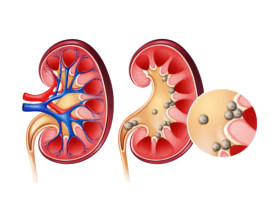
To understand why kidney stones cause symptoms, such as pain, you need to understand how kidney stones form. The stones form due to a process called crystallisation. There are certain minerals found in the human body that are prone to crystallisation, such as calcium, oxalate, and uric acid. When the level of these minerals goes beyond a safe limit inside your body, it starts to deposit, sediment, and crystallise in your kidneys. Why? Because it is the kidney’s job to detoxify and filter the blood, excess calcium, oxalate, and uric acid are precisely the things that the kidney filters out. However, since the amount is high, not all of it can be excreted from the human body. This is when the minerals sediment and slowly, over time, crystallise to form kidney stones.
That’s primarily how kidney stones form inside your body. So, when do the symptoms start? The symptoms start when the stones start moving inside your kidneys. Why do they start moving? Your kidneys are constantly filtering blood 24/7. The flow of blood in the body and urine out of the body dislodges the stones from their place. When they start moving, your body signals you with pain, since the movement is not supposed to happen. The pain is first experienced in the sides/flank or the back of the patient because that’s where the kidneys are located. The pain is one of the first signs that kidney stones have formed and are now mobile. This is both a good and a bad thing. Good because mobility means it has the possibility of passing on its own. The bad part is, it will hurt like nothing you have experienced before when it passes through your urinary tract.
Do you remember that it was mentioned that kidney stones cause radiating pain that moves towards the groin from the back? That was mentioned because kidney stones travel through the urinary tract out of your body. So, to put that into a visual form, the kidney stones form in the kidneys and get passed into the ureter. From the ureter, the stones make their way into the bladder and finally into the urethra, where they pass out of your body through urine. The whole process is quite painful, but it can happen naturally. The pain from kidney stones is directly related to the size of the kidney stones. If you have smaller stones, you’ll experience less pain, and the bigger the stones, the more pain you’ll notice.
Now that you understand how kidney stones form, why they cause symptoms, and how the stones can eventually leave your body, let’s review the 10 early signs of kidney stones that you mustn’t ignore.
It is important to understand that even though physical pain is often considered the first symptom of kidney stones, it is not the earliest symptom in most cases. The earliest symptoms are generally symptoms that are subtle and easy to ignore. Something as simple as dehydration can be a sign of kidney stones, but it is very difficult to connect dehydration to kidney stones unless you are showing other symptoms.
So, when you read the 10 early signs ahead, know that one isolated symptom doesn’t automatically mean you have kidney stones. Only when you’re experiencing persistent changes and symptoms in your body is it worth visiting your nephrologist.
This is one of the early changes that you may notice when you’re suffering from kidney stones. Slowly and gradually, the urinary frequency changes. You will need to urinate more often, and even your urinary urgency may change. However, one thing that often accompanies this symptom is difficulty passing urine.
That symptom will be separately discussed later. However, changes in urinary frequency may mean having to get up in the middle of the night to urinate several times. Or even having to urinate more than usual during your everyday routine. These are subtle changes, but it is crucial that you note them and make changes accordingly.
Nausea and vomiting often accompany changes in urinary frequency because your kidneys are unable to function properly. This symptom may appear sporadically in early stages and sometimes after the pain has started. It is important to note that not all nausea and vomiting relates to your nephrological health.
The difference lies in the other symptoms you’re experiencing and accurately monitoring them. Nausea and vomiting can cause dehydration, so it is important to keep track of your hydration and electrolyte levels in order to prevent medical complications.
Difficulty passing urine relates to the changes in the urinary frequency point, as it may often appear together. This symptom generally means that even with increased urinary frequency and urgency, you’re unable to empty your bladder fully. It feels like the entire urine could not pass, and it leads to feeling uneasy at all times.
This can also be manifested as your body being unable or having difficulty in starting or holding a steady stream of urine. All these symptoms point towards urological problems in both men and women. So, it is important to take them seriously and report them to your doctor at the earliest.
Cloudy and foul-smelling urine can be a sign of urinary tract infections. When you have kidney stones, it can potentially block the flow of urine out of your body or stop your kidneys from functioning optimally.
Both these situations lead to a higher risk of urinary tract infections, which could lead to cloudy or foul-smelling urine. Since UTIs can show up before pain, this can also be considered one of the most important early signs of kidney stones. If your urine smells different from usual, you should take notice, monitor it for a few days, and report it to your nephrologist.
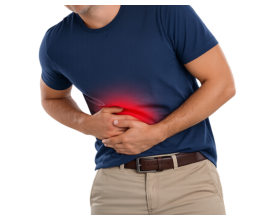
Constant abdominal discomfort is different from the pain that’s associated with kidney stones. This refers to a feeling of uneasiness that affects your appetite and overall sense of well-being. The abdominal discomfort is often caused by the improper functioning of the kidneys in your body.
You can tie this symptom to the nausea and vomiting that one might experience. The key here is that abdominal discomfort paired with nausea can indicate several health problems. So, it is important that you identify and monitor the other symptoms that may be present and report them accurately to your doctor. Even if you don’t have other symptoms yet, reporting both abdominal discomfort and nausea together is okay.
A burning sensation while urinating can be caused by two reasons if you’re suspected of having kidney stones. Firstly, the burning sensation can be caused by urinary tract infections. The presence of infections can cause a burning sensation when you’re urinating. The severity of the sensation depends a lot on the underlying cause and is generally termed by patients as painful and inconvenient.
The other reason for a burning sensation while urinating is connected to the kidney stones themselves. When small stones pass through the urinary tract and out of your body through the urethra, it causes a burning sensation. This symptom, though early, is serious and can help doctors narrow down your diagnosis, so it must be reported to your nephrologists at the earliest.
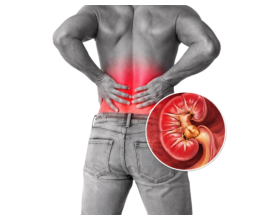
As mentioned, sharp pain is the most telltale symptom of kidney stones, especially if your pain is located in the flank of your body. That’s where your kidneys are located, and direct pain in your kidneys in an otherwise healthy individual significantly raises flags for a diagnosis of kidney stones.
However, just because you have the symptom, it is not recommended that you diagnose yourself. You must monitor your symptoms and present them to your nephrologist to get a proper medical diagnosis of your underlying condition. This is because in some cases, the pain can even be caused by other conditions relating to your urinary tract.
In addition to the sharp pain you may experience in your back and sides, the pain may also radiate down to your groin and lower abdomen region. The radiating pain is not random. It is often associated with the movement of the kidney stones inside your body. When the pain is in the flank, it means the stones are inside the kidneys or lodged in the ureter. When the pain radiates downward, it means the stones are making their way down your ureter and into your bladder.
The pain in the lower abdomen signifies the position of the stones in your bladder. Lastly, when the pain shifts to the groin, it signifies that the stones are nearing your urethra and may be able to pass out of your body naturally. This is again a telltale symptom of kidney stones and must be reported to your doctor at the earliest.
Fever and chills can be caused by urinary tract infections, and the UTIs themselves can be caused by kidney stones. Fever and chills indicate severe systemic infection, which could lead to serious medical complications if not treated in a timely manner. The underlying UTIs can also affect other parts of your body and cause your overall health and your immune system to become compromised.
This is why it is important to note that if you’re experiencing fever and chills for no apparent reason and you have nausea with vomiting, it is worth visiting the doctor and informing them about your symptoms.
Blood in urine is pegged as the last symptom, but it can also appear early in your case. It is important to know what blood in your urine may look like. In most cases, blood in your urine doesn’t look like bright red blood that you’re used to seeing when you bleed. The blood in your urine appears as brown urine. This is because the bleeding is internal and often old.
The bleeding indicates that either the UTIs you have are affecting your body, causing internal bleeding, or the kidney stones are scraping against your ureter, bladder, or kidney, causing internal bleeding. It is important to note this symptom and check whether you experience it only once or more than one time. If you’re experiencing the symptom more than once, it must be reported to your doctor immediately.
There are several conditions that can be mistaken for kidney stones. This is why there were statutory warnings in different parts of the symptoms to tell you that having isolated symptoms does not automatically mean you have kidney stones, and that’s why you should monitor your condition and report it to your doctor, instead of trying to self-diagnose your problem.
So, with that being said, here are some of the medical conditions that have similar symptoms to kidney stones. We’ll, however, focus on how they differ from kidney stones to help you find clarity and choose the right specialist to visit for your symptoms.
Condition | How It Differs From Kidney Stones |
| Urinary Tract Infections (UTIs) | Burning sensation while urinating can be caused by UTIs. It can also be accompanied by fever and chills. Other symptoms, like cloudy and foul-smelling urine, can also be caused by UTIs. The only differentiating factor between the two conditions is that UTIs do not cause radiating pain, and even if it is does, the pain is often regarded as less intense comparatively. |
| Appendicitis | This condition is easier to differentiate from kidney stones since it doesn’t involve the urinary tract or your nephrological system at all. The pain you experience from appendicitis can feel awfully similar to the pain you experience from kidney stones because of how sharp the pain is. However, appendicitis pain is constant and doesn’t come in waves. It also starts at your navel and may go down to the lower right side of your abdomen in some cases. |
| Muscle Strain | As anti-climactic as it may sound, muscle strains can also cause severe and sharp pain that may seem like underlying medical conditions. In some cases, a bad muscle injury can trigger fever and chills in patients. The back and flank have several important muscles, which, if injured, can cause pain that could make patients think it is being caused by kidney stones. |
| Gallstones | The digestive symptoms associated with kidney stones have a crossover with gallstones. If you’re experiencing a lack of appetite, nausea, vomiting, and general weakness and dehydration, it could indicate either kidney stones or gallstones. The only differentiating factor here is that kidney stones cause urological symptoms sooner or later. The same isn’t true for gallstones. Also, the pain you experience from gallstones appears in the upper right quadrant of your abdomen and is triggered, especially, when you’re having fat-rich meals. |
| Ovarian Cyst (Women) | Pelvic pain is common in women with ovarian cysts around the time of their menstrual cycle. This is unrelated to difficulty in urination or finding blood in your urine. |
It is important to note that the symptoms of kidney stones in men and women can vary. The base symptoms, like pain and urinary problems, remain the same. However, the location of the pain can be different in men and women. Another important factor to note is that abdominal pain is not uncommon in women. From menstrual cramps to UTIs and pelvic disorders, there are several causes for abdominal or even flank pain in women. This is often the reason pain is not noted differently by women, which may lead to a more advanced diagnosis of kidney stones. Here is a detailed overview of how kidney stone symptoms can differ between men and women.
Symptoms More Common in Men | Symptoms More Common in Women |
| Pain that radiates to the groin and testicles | Pelvic pain that may resemble menstrual cramps |
| Testicular discomfort, also known as referred pain | Pain that radiates to the pelvis from the lower abdomen |
| Flank pain accompanied by abdominal and urinary discomfort | Flank pain, however, can be mistaken for a UTI |
| Blood in the urine and painful urination | Pelvic pressure during urination |
| Lower abdomen pain as the kidney stone moves through the urinary tract | Blood in urine and painful urination |
| Stone Size | Chance of Passing Naturally | Typical Management |
| Less than 4 mm | 80% to 90% | Can pass naturally with medication and dietary changes. |
| 4 to 6 mm | 50% to 60% | May pass naturally; however, minimally invasive surgical procedures like URS may be recommended for painless stone removal. |
| 6 to 10 mm | Low | Stones this size cannot pass naturally until there’s medical intervention. Surgical procedures like RIRS are often recommended. |
| More than 10 mm | Very unlikely | Requires advanced minimally invasive surgical intervention like PCNL or ECIRS. |
The early signs of kidney stones are not always excruciating pain; there are signs before that, and if you can monitor and identify the signs in a timely manner, it can help you prevent the risk of undergoing immense pain. So, make sure you monitor the symptoms mentioned here and notice how long they are occurring, what their triggers are (if any), and what is helping you manage the pain.
Answering these questions will help you understand your symptoms better. It will also help your doctor reach a clear diagnosis at the earliest, which can help you get started with your treatment. Early intervention for kidney stones can help you get the condition treated with minimal physical discomfort.
For more information about kidney stone treatment and advanced minimally invasive procedures that help reduce your risk of kidney stone recurrence, book a consultation with our in-house nephrology specialists at the MASSH Super Specialty Hospital today.
MASSH Super Speciality Hospital Nephrology Team
Our highly experienced nephrologists have expertise in advanced treatment options for kidney problems, including specialised minimally invasive surgical treatments like ureteroscopy, retrograde intrarenal surgery, and percutaneous nephrolithotomy. Treatments are often accompanied by lifestyle and metabolic guidelines for long-term sustainable nephrological health.
1. Can kidney stones cause pain without blood in urine?
Yes, kidney stones can cause pain without blood in urine. This is because the kidney stones only cause bleeding when they’ve somehow damaged or nicked any part of your urinary tract. However, the pain can start much before that when the stones have formed and are preventing the optimal functioning of your kidneys.
2. What is usually the first sign of a kidney stone?
The actual first sign of kidney stones varies from person to person. For some, it may be urological symptoms like difficulty urinating and increased urinary frequency. For others, it may be the flank pain and nausea. For someone else, the first sign of a kidney stone may come as blood in urine.
3. How do I know if it's a kidney stone or UTI?
You should not try to diagnose yourself. The best practice is to identify your symptoms and gather all the information you can about them before visiting a doctor. A professional healthcare specialist can help you make the distinction between kidney stones and UTIs safely with proper medical and diagnostic testing. Self-diagnosis can lead to poor treatment planning and increase your risk of medical complications.
4. Can kidney stones go away without surgery?
Yes, it is possible to treat kidney stones without surgery. Adequate lifestyle and dietary changes can help you dissolve small kidney stones if you increase your daily hydration and improve your diet. Medicines are also available to help dissolve smaller stones and help them pass out of your body with minimal pain and discomfort. However, this only applies to small stones that are smaller than 5 mm in size.
5. Are kidney stones more common in men or women?
Kidney stones are more common in men than women. This is mainly because men consume more animal protein on average than women, which can increase their risk of kidney stones. The increased risk is tied significantly to dietary factors as well as other factors like smoking and consumption of alcohol.
6. Can dehydration cause kidney stones?
Yes, dehydration is among the leading causes of kidney stones. When you’re dehydrated, it can cause your urine to become saturated. This creates the perfect environment for the minerals in your urine to sediment and crystalise forming kidney stones. This is why drinking water regularly is often used as a treatment for kidney stones because it helps flush out the stones and treat any symptoms of dehydration.
7. How long do kidney stone symptoms last?
Kidney stone symptoms last as long as all the kidney stones inside your body do not pass out of it. For patients who choose surgical treatment, the symptoms end when the surgery is successfully completed. For patients who choose natural treatment, the symptoms will last until the very last kidney stone doesn’t exit the body through urine.
8. Can kidney stones come back after treatment?
Yes, kidney stones can recur. The chances of recurrence are high among individuals who do not follow the right hydration practices, dietary habits, and lifestyle changes recommended after initial kidney stone treatment. In fact, the risk of kidney stone recurrence is high among patients who have already had it once. So, it is that much more important to practice preventive measures once you’ve been treated.
This blog is intended for educational and informational purposes only. It should not be considered a substitute for professional medical advice, diagnosis, or treatment. Always consult a qualified nephrologist in Delhi for proper evaluation and treatment recommendations.
Get expert kidney stone treatment in South Delhi. Explore advanced, minimally invasive surgeries at MASSH Super Speciality Hospital for quick rec...
Written by MASSH
Apr 01, 2026
Laser treatment for kidney stones in Noida: know cost, benefits, procedure, and recovery. Safe, minimally invasive care by expert urologists.
Written by MASSH
Mar 25, 2026
Best kidney stone specialist near you in Punjabi Bagh. Explore laser treatment, surgery options, costs, and recovery tips for quick relief.
Written by MASSH
Mar 24, 2026



 Quick Enquiry
  Call(24*7)