Kidney stones are no longer a rare condition—they are becoming increasingly common, especially in rapidly urbanizing regions like Noida. According to global health data, nearly 10–12% of people will develop kidney stones at some point, and recurrence occurs in up to 50% of cases within a decade. In India, particularly in northern regions, the prevalence is even higher due to dietary habits and climatic conditions.
Urban lifestyles are a major contributing factor. Long working hours, inadequate hydration, processed food consumption, and rising metabolic disorders are driving a surge in kidney stone cases. Noida, being a fast-growing urban hub, reflects this trend.
For patients, kidney stones are often associated with sudden, unbearable pain, anxiety about surgery, and fear of recurrence. Fortunately, medical advancements have transformed treatment approaches. Today, Laser Treatment for Kidney Stones in Noida offers a minimally invasive, highly effective, and patient-friendly solution—reducing pain, hospital stay, and recovery time significantly.
If you are exploring reliable options for kidney stone treatment in Noida, understanding laser technology can help you make an informed decision.
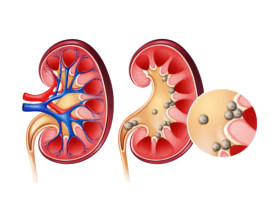
Kidney stone disease, medically known as urolithiasis, refers to the formation of hard mineral deposits in the kidneys or urinary tract.
These stones form when urine becomes concentrated, allowing minerals like calcium, oxalate, and uric acid to crystallize and bind together.
Normally, urine contains chemicals that prevent crystal formation. However, when:
Crystals begin to form and gradually grow into stones.
These stones may remain in the kidney or travel through the ureter, causing obstruction and severe pain.
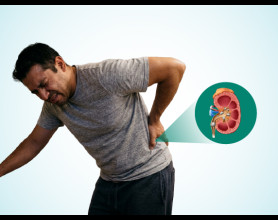
Kidney stones can remain asymptomatic in early stages, but symptoms appear as the stone grows or moves.
In the beginning, patients may notice subtle changes:
As stones obstruct urine flow:
Immediate medical care is necessary if:
Kidney stone formation is influenced by multiple factors.
Conditions that increase risk include metabolic abnormalities such as excess calcium or uric acid in urine, chronic urinary tract infections, and certain kidney disorders.
Modern habits significantly contribute:
Family history plays a key role, and living in hot climates like North India increases dehydration risk.
Individuals more prone include:
Accurate diagnosis is essential for effective treatment planning.
A urologist assesses symptoms, medical history, and physical findings.
Urine and blood tests help detect infection, mineral imbalance, and kidney function.
Screening is important for:
Treatment depends on stone size, type, and severity of symptoms.
Small stones often pass naturally with proper care.
Medications help reduce pain and facilitate stone passage, while lifestyle modifications—especially increased hydration—play a crucial role. Regular monitoring ensures that complications do not arise.
When kidney stones are large, symptomatic, or causing obstruction, advanced urological procedures are required. At leading centers like MASSH, treatment focuses on minimally invasive, technology-driven techniques that ensure high success rates, minimal discomfort, and faster recovery.
The choice of procedure depends on stone size, location, and patient condition, ensuring a personalized treatment approach.
Laser lithotripsy is one of the most advanced and widely used options for kidney stone treatment in Noida, especially for ureteric and small-to-medium kidney stones.
A thin endoscopic instrument (ureteroscope) is passed through the urinary tract without any incision. A high-energy laser is used to fragment the stone into fine particles, which are either removed or passed naturally through urine.
Laser-based procedures have become the standard of care due to:
Laser lithotripsy offers 90–95% success rates, especially when performed by experienced urologists.
The cost typically ranges between ₹40,000 to ₹1,20,000, depending on:
Modern urology offers multiple minimally invasive options. According to MASSH protocols, the following procedures are commonly used:
URS is a minimally invasive procedure used primarily for stones located in the ureter.
A thin scope is inserted through the urinary passage to directly visualize the stone. It is often combined with laser lithotripsy for fragmentation and removal.
👉 Best for:
RIRS is an advanced, scar-free procedure used for stones inside the kidney.
A flexible ureteroscope is guided into the kidney, where laser energy is used to break stones into small fragments.
👉 Best for:
✔ No incision
✔ Faster recovery
✔ High precision
PCNL is recommended for large or complex kidney stones (usually >2 cm).
A small incision is made in the back to directly access the kidney and remove stones.
👉 Best for:
✔ High stone clearance rate
✔ Effective for difficult stones
Mini-PCNL is a refined version of PCNL using smaller instruments and access tracts.
It offers:
👉 Best for:
Treatment is carefully selected based on stone size:
This structured approach ensures maximum effectiveness with minimal invasiveness.
Advancements in urology have made kidney stone treatment safer and more efficient:
These innovations allow personalized, precision-based treatment planning, improving patient outcomes significantly.
Myth: Kidney stones always require surgery
Fact: Many small stones pass naturally with medication
Myth: Laser treatment is painful
Fact: It is performed under anesthesia and is minimally invasive
Myth: Stones won’t recur after removal
Fact: Recurrence is common without preventive care
Ignoring kidney stones can lead to serious health risks.
Pain, infection, and urinary blockage are common.
Untreated stones can cause kidney damage, recurrent infections, and reduced kidney function.
Chronic pain and repeated medical visits can affect work productivity and quality of life.
Preventing recurrence is as important as treatment.
Adequate hydration (2.5–3 liters daily) is essential. Reducing salt intake and avoiding excessive processed foods can significantly lower risk.
Regular activity improves metabolism and reduces stone formation risk.
Routine check-ups help detect early recurrence.
Managing weight and controlling chronic conditions like diabetes are crucial.
Laser treatment ensures quick recovery and excellent outcomes.
Most patients experience relief within days and return to normal life within a week. Follow-up imaging ensures complete stone clearance.
Long-term prognosis is favorable, provided preventive measures are followed.
Seek medical help if you experience:
Early diagnosis reduces complications and ensures simpler treatment.
A 38-year-old IT professional in Noida experienced recurring flank pain but delayed consultation. Imaging revealed a 6mm kidney stones causing obstruction. He underwent laser lithotripsy and was discharged within 24 hours. With proper hydration and dietary changes, he remained symptom-free during follow-ups.
Experiencing kidney stone symptoms?
Advanced laser treatment can provide fast, safe relief without major surgery.
👉 Book expert consultation for kidney stone treatment in Noida today and avoid complications.
Q1. What is laser treatment for kidney stones?
A minimally invasive procedure that uses laser energy to break stones into smaller fragments.
Q2. Is laser lithotripsy safe?
Yes, it is highly safe with minimal complications when performed by experienced urologists.
Q3. What is the recovery time?
Most patients recover within 3–7 days.
Q4. How much does it cost in Noida?
Typically between ₹40,000 and ₹1,20,000.
Q5. Can stones recur after treatment?
Yes, recurrence is possible without preventive measures.
Q6. Is hospitalization required?
Usually short stay or daycare procedure.
Medically Reviewed By
Dr. Poonam Gulati
Senior Consultant – Urology
MASSH Hospital, Noida
Dr. Poonam Gulati has over a decade of experience in advanced urological care, specializing in minimally invasive procedures such as laser lithotripsy. He has successfully treated numerous complex kidney stone cases using modern endourological techniques.
His expertise includes precision-driven treatment planning, ensuring faster recovery and reduced recurrence risk for patients.
Disclaimer: This article is for educational purposes only and does not replace medical consultation. Patients should consult a qualified urologist for personalized advice.
Know the early symptoms of kidney stones, including severe pain, blood in urine, and nausea. Read about diagnosis, treatment, and prevention tips...
Written by MASSH
Jul 11, 2026
Get expert kidney stone treatment in South Delhi. Explore advanced, minimally invasive surgeries at MASSH Super Speciality Hospital for quick rec...
Written by MASSH
Apr 01, 2026
Best kidney stone specialist near you in Punjabi Bagh. Explore laser treatment, surgery options, costs, and recovery tips for quick relief.
Written by MASSH
Mar 24, 2026



 Quick Enquiry
  Call(24*7)