Chronic knee pain can significantly affect mobility, independence, and quality of life. For patients with severe joint damage that no longer responds to medication, physiotherapy, or lifestyle changes, knee replacement surgery in Delhi can provide long-lasting relief and restore joint function.
Total knee replacement, also called knee arthroplasty, is a surgical procedure that replaces damaged knee joint surfaces with artificial implants designed to mimic natural movement. The procedure is most commonly recommended for patients with advanced osteoarthritis, rheumatoid arthritis, or knee joint damage due to injury.
Modern orthopedic surgery has made knee replacement procedures safer and more effective than ever before. With improved surgical techniques, advanced implants, and structured rehabilitation programs, most patients experience significant pain relief and improved mobility.
At MASSH Super Speciality Hospital, Chirag Enclave, orthopedic specialists perform knee replacement surgery using advanced techniques and personalized treatment plans to help patients regain comfort and return to everyday activities safely.
To understand how knee replacement surgery works, it is helpful to first understand the structure of the knee.
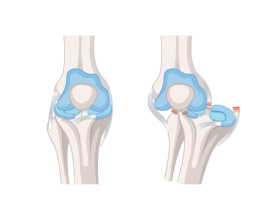
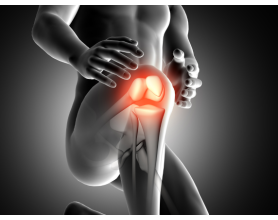
The knee joint is one of the largest and most complex joints in the human body. It connects three bones:
• Femur (thigh bone)
• Tibia (shin bone)
• Patella (kneecap)
These bones are covered with smooth cartilage that allows them to move easily against each other. Ligaments and muscles stabilize the joint, while synovial fluid lubricates the movement.
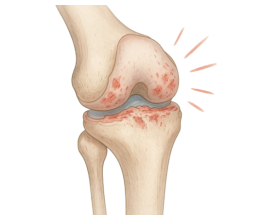
When cartilage wears away due to aging, arthritis, or injury, the bones begin to rub together. This results in pain, swelling, stiffness, and reduced mobility.
In advanced cases, joint damage becomes severe enough that surgical replacement of the joint becomes the most effective treatment option.
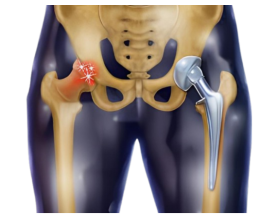
Total knee replacement surgery is a procedure in which the damaged surfaces of the knee joint are removed and replaced with artificial components called prosthetic implants.
These implants are typically made of:
• Medical-grade metal alloys
• Durable polyethylene plastic
• Specialized ceramic components in some cases
The prosthetic components are designed to replicate the natural movement of the knee joint, allowing patients to bend and straighten their knee comfortably.
The artificial joint replaces three primary parts of the knee:
• Lower end of the femur
• Upper end of the tibia
• Surface of the kneecap (in some cases)
Once the damaged tissue is removed and implants are placed, the joint can move smoothly again, significantly reducing pain and improving function.
Several medical conditions can lead to severe knee joint damage and may require knee replacement surgery.
Osteoarthritis is the most common reason for knee replacement surgery. It occurs when cartilage gradually breaks down due to aging and wear.
This autoimmune condition causes chronic inflammation in the joints, which can eventually damage cartilage and bone.
Joint damage caused by fractures, ligament injuries, or accidents may lead to arthritis over time.
Certain conditions may cause abnormal alignment of the knee joint, affecting mobility and causing pain.
In some cases, patients who previously underwent knee procedures may require replacement if earlier treatments were unsuccessful.
Doctors may recommend knee replacement surgery when symptoms significantly affect daily life.
Common symptoms include:
When these symptoms become severe, knee replacement may be considered the most effective solution.
Depending on the extent of joint damage, different types of knee replacement procedures may be recommended.
The entire knee joint is replaced with artificial components. This is the most common procedure.
Only the damaged part of the knee is replaced. This may be suitable for patients with limited joint damage.
Both knees are replaced during the same surgical session.
A second surgery performed to replace or repair a previously implanted knee prosthesis.
Your orthopedic surgeon will determine the most suitable procedure based on imaging tests and overall joint condition.
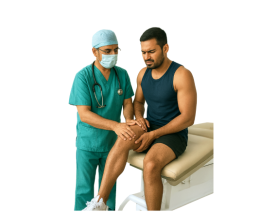
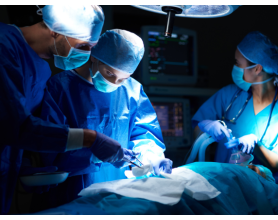
Knee replacement surgery is performed by an orthopedic surgeon in a specialized operating theatre.
Patients receive spinal anesthesia or general anesthesia to ensure comfort during the procedure.
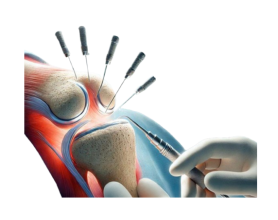
A carefully planned incision is made in the front of the knee to access the joint.
The surgeon removes worn-out cartilage and damaged bone from the femur and tibia.
Artificial metal and plastic components are attached to the prepared bone surfaces.
The surgeon tests the joint to ensure proper alignment and stability.
The incision is closed using sutures or staples, and sterile dressing is applied.
The entire procedure typically takes 1–2 hours.
Orthopedic surgery has evolved significantly with the introduction of modern technologies.
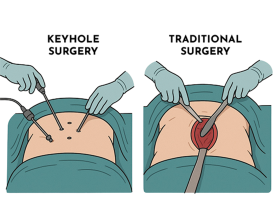
Smaller incisions may reduce tissue damage and speed up recovery.
Some procedures use advanced imaging and computer navigation to improve implant placement accuracy.
Modern implants are designed to last longer and provide more natural joint movement.
These innovations have improved surgical outcomes and patient satisfaction.
Knee replacement surgery offers several long-term benefits for patients with severe joint damage.
Key advantages include:
Many patients report noticeable improvements within a few weeks after surgery.
If persistent knee pain is affecting your daily life, schedule a consultation with our orthopedic specialist today to discuss treatment options.
Although knee replacement surgery is generally safe, like all surgical procedures it carries some potential risks.
Possible complications include:
• Infection
• Blood clots
• Implant loosening or wear over time
• Nerve or blood vessel injury
• Knee stiffness
• Allergic reaction to implant materials (rare)
Hospitals implement strict surgical protocols and post-operative care to minimize these risks.
Proper preparation can improve surgical outcomes and recovery.
Patients may be advised to:
• Undergo blood tests and imaging studies
• Stop certain medications before surgery
• Maintain a healthy diet and weight
• Quit smoking if applicable
• Arrange assistance at home during recovery
• Participate in pre-surgery physiotherapy
Following your surgeon’s instructions helps ensure a smoother recovery process.
Recovery after knee replacement is a gradual process that involves rehabilitation and lifestyle adjustments.
Most patients stay in the hospital for 2–4 days after surgery.
Patients are usually encouraged to stand and walk with assistance within 24 hours.
Rehabilitation exercises begin shortly after surgery to restore strength and flexibility.
Most patients can resume normal activities within 4–6 weeks.
Complete recovery may take 3–6 months depending on individual health and rehabilitation progress.
If knee pain is limiting your mobility, call our hospital today to schedule an evaluation with our orthopedic specialist.
Knee replacement implants are designed to provide durable performance.
Most modern implants last:
15–20 years or longer
Longevity depends on factors such as:
• Patient age
• Activity level
• Weight management
• Proper rehabilitation
Maintaining an active but balanced lifestyle helps prolong implant lifespan.
Patients can usually return to many daily activities after recovery.
Recommended activities include:
• Walking
• Swimming
• Cycling
• Light exercise
Activities that place excessive stress on the knee may need to be avoided.
Your doctor will guide you on safe physical activities after surgery.
Dr. Abhishek Bansal
FRCS, MRCS, DNB, MS, MBBS
Orthopedic Specialist
MASSH Super Speciality Hospital
Dr. Abhishek Bansal has over 20 years of experience in orthopedic and joint replacement surgery. He specializes in advanced knee procedures and focuses on restoring mobility and improving patient outcomes through evidence-based treatment.
Disclaimer:
This information is provided for educational purposes and should not replace professional medical consultation.
Embark on a journey of exceptional healthcare guided by industry's true luminaries who consistently exceed
expectations and set new benchmarks for excellence in everything from cutting-edge innovations to personalized care.

Sr. Consultant - Orthopaedics, Joint, Spine & Sports Injury
South Delhi

 Book Appointment

Head of Department - Orthopaedics, Trauma, Spine & Sports Injury
Noida
Book Appointment

Senior Consultant - Orthopaedics, Joint Replacement, Spine & Sports Injury
Ludhiana
Book Appointment
Patients seeking knee replacement surgery in Delhi benefit from specialized care at MASSH Super Speciality Hospital, Chirag Enclave.
Key strengths include:
The hospital focuses on patient safety, personalized treatment plans, and long-term recovery support.
MASSH Group of Hospitals is a trusted name in delivering advanced healthcare solutions with a network of premier super speciality hospitals, committed to providing ethical, compassionate, and innovative care. Our expanding network ensures that cutting-edge medical services are always within your reach.
Yes. Knee replacement surgery is widely considered a safe and effective procedure when performed by experienced orthopedic surgeons.
The surgery usually takes 1 to 2 hours, depending on the complexity of the case.
Most patients begin walking with assistance within 24–48 hours.
Pain is controlled with anesthesia during surgery and medications after the procedure.
Patients typically resume daily activities within 4–6 weeks, while full recovery may take 3–6 months.
Modern knee implants can last 15–20 years or more depending on activity level and lifestyle.
The cost varies depending on implant type, hospital facilities, and individual patient needs.





































 Explore More

 Quick Enquiry
  Call(24*7)
  Whatsapp