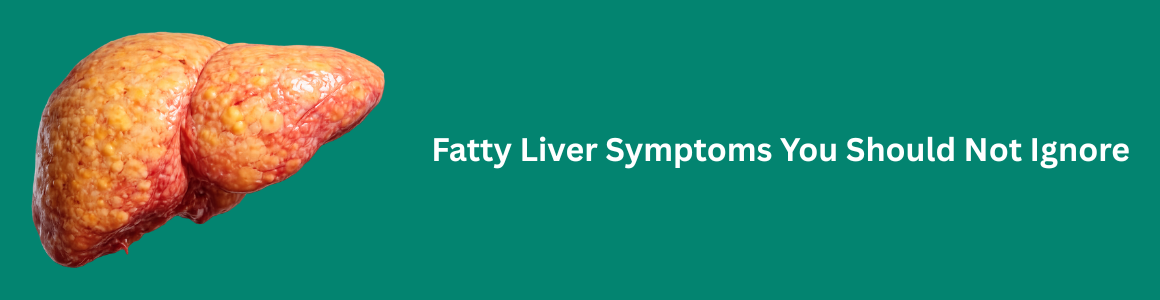
Fatty liver is a very prevalent medical condition today due to changing lifestyles in urban hubs. Studies have shown that up to 40% of the Indian population suffers from fatty liver. As the condition is generally asymptomatic, most people do not get it diagnosed until complications arise. This leads to poor medical outcomes and more serious complications in people, leading to stress on the medical infrastructure of the country.
Obesity, poor dietary habits, sedentary lifestyle, and diabetes are the leading causes of fatty liver symptoms in the population. Early diagnosis of the condition can prevent complications like liver cirrhosis and liver failure, both of which can be fatal if left unchecked. For a condition that shows symptoms only when it is too late, how do you identify it at an early stage?
Regular health checkups are one way to keep a check on your liver health. For the other part, there are certain early signs and symptoms of fatty liver and liver disease that you must know about. Knowing and identifying these symptoms can help you prevent complications and preserve your liver health. This blog shares the 10 most important fatty liver symptoms you should not ignore and how to identify if your fatty liver symptoms are progressing or not.
Fatty liver disease is a condition where excess fat accumulates in the liver. As you age, a small amount of fat deposit in your liver is normal. However, excessive fat buildup can interfere with the liver’s ability to function properly. It can also cause liver inflammation, scarring, and permanent liver damage if it is left untreated.
The primary function of the liver is to maintain sugar levels in your blood and remove toxins. It also processes nutrients and supports digestion. Any fat accumulation in the liver can cause the liver function to become impaired. This increases your risk for complications, such as liver cirrhosis and liver fibrosis.
Fatty liver disease can be broadly categorised into two categories. This is important because the type of fatty liver disease you have determines the type of treatment you receive. The two types of fatty liver conditions are:
Fat accumulation in the liver is dangerous because it silently increases your risk of serious medical conditions like liver fibrosis, liver cirrhosis, and liver failure. In its early stages, when fat accumulation has begun in your liver, there are no symptoms, which makes it hard to identify the condition in its early stages.
Without a timely diagnosis, it is very hard to get proper treatment and prevent permanent damage to your liver. As one of the most vital organs in your body, permanent damage to your liver can have fatal medical consequences. This is why it is important to identify the symptoms of liver damage in its early stages, so that the condition and the damage it has caused can still be reversed.
One of the most common phrases associated with fatty liver disease is that it is a “silent” condition because of its lack of symptoms in the early stages. However, as fat accumulates on your liver, there are signs in your body that indicate the condition is progressing, and there’s inflammation. That’s when the signs start appearing. What are these signs? Let’s find out.
Persistent fatigue and weakness are some of the most telltale symptoms of liver dysfunction. Even though these symptoms alone can indicate many other health problems, it is important to monitor fatigue and weakness in context with the other symptoms that will be mentioned below. The primary reason why fatigue and weakness connect to liver problems is that when your liver is not functioning optimally, it leads to impairment in your body’s ability to remove toxins and process nutrients. This leads to low energy levels throughout the day.
The liver is located in the upper right quadrant of your abdomen. When there’s inflammation in the liver caused by fat buildup, it leads to pain or a feeling of fullness in the area. This pain is characterised as a dull ache, fullness, or discomfort. Sometimes it is characterised as a dull ache, while other times it feels like just discomfort in the area. If you’re experiencing this symptom for more than three days, you should report it to your doctor and get a proper medical diagnosis.
This is a serious medical symptom, and it is often associated with cancer more than any other health condition. However, if you’re suddenly losing weight and it is accompanied by the other symptoms mentioned above, it could indicate problems with your liver. In fact, if you experience symptoms like yellowing of your skin or your skin becoming pale, it could significantly increase the chances that the weight loss is linked to liver dysfunction. As mentioned, this is a serious medical symptom, so make sure you get the right medical attention as soon as you notice unintended weight loss.
This is closely linked to problems with your digestive system and liver. In most cases, a severe loss of appetite can trigger unexplained weight loss, and it can also signify underlying problems with your liver. Chronic inflammation in the liver can slow down metabolism and digestion. This can make you feel full even when you’ve eaten very little food. Loss of appetite can also trigger chronic fatigue and weakness, since your body lacks nutrients to function. So, all in all, take the symptom seriously and make sure you monitor the other symptoms that are surrounding your loss of appetite to understand its connection to your liver.
Nausea and digestive problems are common in people with fatty liver disease. This is mainly because the liver plays an important role in the processing of nutrients and supporting healthy digestion in your body. The general digestive discomfort, indigestion, bloating, and nausea that you experience may be caused by liver problems or general digestive problems. The only way to know or connect it to your liver is to identify the other symptoms you may be experiencing. If you don’t have any other symptoms, and you’re just experiencing nausea and digestive problems, it may not be caused by fatty liver disease. However, if the symptom persists beyond a week and you’re also experiencing other symptoms, please get immediate medical attention.
This is an advanced liver disease symptom and must be taken seriously. When you have advanced fatty liver disease, it leads to fluid accumulation in the abdominal cavity. This causes noticeable swelling and bloating in the abdomen. This symptom is known as ascites, and it is a serious symptom that requires immediate medical attention. A symptom like ascites is often accompanied by other medical symptoms that would start appearing before swelling in the abdomen. If you’ve not noticed them before, it is important that you take a closer look at your symptoms and report them to your doctor immediately.
Reduced liver function can affect the body’s ability to regulate fluid balance. This leads to swelling in the feet, ankles, and legs. The persistent swelling may indicate serious damage to the liver that’s worsening with time. However, it is important to note that swelling of the legs and ankles could also be caused by kidney dysfunction, so monitor the other symptoms listed to get a better idea of what could be the underlying cause of your symptoms. And most importantly, report all your symptoms to your doctor rather than diagnosing at home.
Yellowing of the skin and eyes generally represents underlying health conditions like jaundice. The yellowing of the skin and eyes is caused by a buildup of bilirubin in your blood. It is a significant warning sign of liver dysfunction and requires immediate medical attention. Jaundice-like symptoms are often accompanied by other medical symptoms. So, please monitor each carefully and report them to your doctor as soon as possible. Jaundice may trigger some of the other symptoms of fatty liver disease, so it is important to get emergency medical care in a timely manner.
Changes in the colour of your urine or stool could indicate liver problems. However, unless you have other symptoms, it is difficult to relate liver health to the colour of your stool or urine. Commonly, it indicates problems with your renal or excretory system. Nonetheless, if you are experiencing clay-coloured stools and dark coloured-urine, it could indicate that your body is not processing bile properly. This could indicate the problem originating from your liver and not your kidneys. This is a serious symptom and should be reported to your doctors.
In severe cases, liver dysfunction can lead to the buildup of toxins in the bloodstream, affecting brain function. It could lead to conditions where patients cannot concentrate or have memory problems and confusion. Changes in mental clarity are a serious symptom and require immediate medical attention. It generally indicates advanced liver dysfunction or fatty liver disease.
Note: Each of the symptoms mentioned above is not going to be present for every patient. In fact, in the early stages, only one or two symptoms may start showing. It is important to be mindful of your health and practice healthy daily practices to keep yourself protected against liver dysfunction and fatty liver disease. When you have two or more symptoms appearing in close proximity, you should report them to your doctor or opt for a general health checkup. Blood tests that check your liver function are the easiest way to identify fatty liver disease in its early stages.
Fatty liver disease can be managed successfully with lifestyle and dietary changes if you can diagnose the condition early. However, if the condition is left untreated, it may progress to more serious conditions such as non-alcoholic steatohepatitis (NASH), liver fibrosis, liver cirrhosis, or even liver failure. Recognizing the signs that fatty liver disease is progressing can help you seek timely medical care and prevent irreversible liver damage.
The symptoms listed in this piece seldom appear all at once for patients. This is why it is important to monitor your health and identify the symptoms you may be having at the earliest possible stage. Having symptoms of fatty liver disease already means that the condition has progressed to some extent. This is why you need a healthcare institution where you can get a quick diagnosis and personalised treatment for your condition.
The MASSH Super Specialty Hospital in Delhi is one of the best treatment centres for fatty liver and other metabolic conditions. We provide fully personalised treatment options for patients that focus on lifestyle and dietary changes to manage chronic health problems. We also offer highly advanced surgical treatment options whenever required to help our patients get better as soon as possible.
For more information about fatty liver treatment options at MASSH, check out our website and book a consultation with our specialists today.
MASSH Super Speciality Hospital Hepatology Team
Our highly experienced hepatologists have expertise in advanced treatment options for liver problems, including specialised minimally invasive surgical treatments and medicinal treatments for metabolic health problems. Treatments are often accompanied by lifestyle and metabolic guidelines for long-term sustainable hepatological health.
1. Can fatty liver cause stomach pain?
Yes, fatty liver disease can cause stomach pain and discomfort. The pain may be experienced in the upper right quadrant of your stomach, and it may be experienced as a dull ache. The pain is caused when the liver becomes inflamed or enlarged due to fat accumulation. If your stomach pain is accompanied by nausea, fatigue, or yellowing of the skin, it must be reported to the doctors immediately.
2. What are the first signs of fatty liver disease?
In its early stages, fatty liver disease is often asymptomatic. The condition doesn’t come with many symptoms as a whole. However, when symptoms like stomach pain, persistent fatigue, and low energy levels appear, it already indicates fat accumulation in the liver. Since the condition is mostly asymptomatic in the early stages, most people get diagnosed with fatty liver during routine health checkups.
3. Is fatty liver disease serious?
Untreated fatty liver disease is serious. This is because untreated fatty liver disease can increase your risk of liver failure, liver cirrhosis, and liver fibrosis. In fact, it can even increase your risk of liver cancer. Early diagnosis and lifestyle modifications can help you reduce the risk of complications; however, not changing anything can lead to disease progression and medical complications.
4. Can fatty liver disease be cured without surgery?
Yes, fatty liver disease can be cured without surgery. In most cases, surgery is not recommended for fatty liver disease. The early stages of the condition can be reversed with lifestyle and dietary changes. Regular exercise, keeping your body weight in check, maintaining a healthy diet, and controlling diabetes can all help you keep fatty liver disease from progressing. Another major differentiator is stopping alcohol intake; this alone can help you prevent disease progression if you have alcohol-related fatty liver disease.
5. How long does it take to reverse fatty liver?
The timeline to reverse fatty liver depends on the severity of the condition and individual health factors. If you have identified the condition in its earliest stages, with proper lifestyle and dietary changes, the condition can reverse within a few months. However, if you have identified the condition at later stages, the reversal timeline will change accordingly, and it may also take more than lifestyle changes for you to reverse fatty liver.
This blog is intended for educational and informational purposes only. It should not be considered a substitute for professional medical advice, diagnosis, or treatment. Always consult a qualified hepatologist in Delhi for proper evaluation and treatment recommendations.
Due to a higher incidence of the condition, Delhi is the top destination for bariatric surgery in the country. Delhi is home to advanced medical...
Written by MASSH
May 19, 2026
In Delhi NCR, obesity is a growing medical condition that affects over 80% of the population. Bariatric surgery is the penultimate treatment opti...
Written by MASSH
Apr 03, 2026
There are numerous chronic underlying medical conditions in the human body that can make losing weight almost impossible. Bariatric surgery helps...
Written by MASSH
Mar 31, 2026



 Quick Enquiry
  Call(24*7)
  Whatsapp