Written by MASSH
May 29, 2026
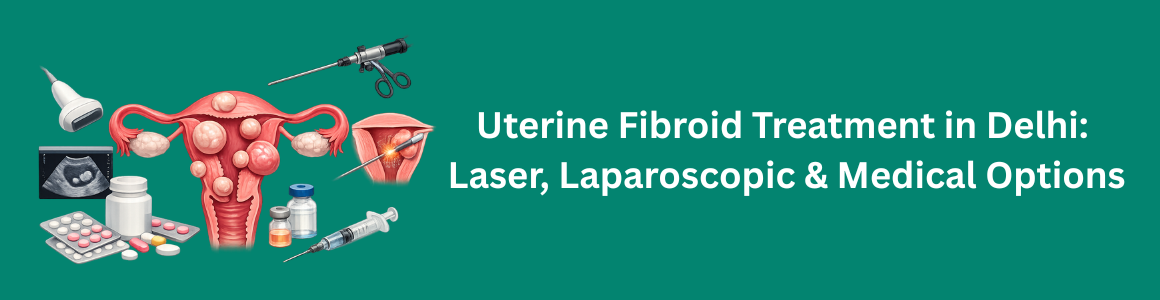
Uterine fibroids refer to non-cancerous growths in the uterus of women. This condition is most common in women who are nearing menopausal age. It can be asymptomatic for the most part and can only be identified during routine medical checkups and imaging tests. Uterine fibroids can affect fertility as the growths can exist inside the body long before they are identified and diagnosed.
Even though uterine fibroids can be asymptomatic, they do show symptoms in the form of irregular menstruation patterns, heavy bleeding, pain, and other inconvenient symptoms. It is important to note that even though a uterine fibroid is non-cancerous, it requires medical treatment and should be taken seriously. So, in this blog, we’ll discuss the various treatment options available for uterine fibroids and how they can be helpful for you.
Uterine fibroids are non-cancerous uterine growths. They are also known as leiomyomas and are made up of fibrous tissues and muscles. The size of the fibroid determines treatment, its impact on your health, and the symptoms it may cause. The difference in size of a fibroid can range from the size of a seed to a large mass that alters the shape of the uterus.
Fibroids are extremely common, and in fact, they are the most common gynaecological problem among women of reproductive age. As mentioned previously, symptoms are inconsistent with fibroids, and they mostly appear based on the size of the growth. Common symptoms include pelvic pain, fertility problems, and pressure on nearby organs. Fibroids can develop as a single growth or as multiple growths within the uterus.
The exact cause of uterine fibroids is not well understood. However, several factors are believed to play an important role in contributing to its development. This includes:
Fibroids grow during reproductive years when hormone levels are higher and may shrink naturally after menopause.
Apart from the risk factors like obesity, there are common risk factors that can lead to an increased chance of getting uterine fibroids.
These risk factors must be taken seriously, and if they’re true for you, you must opt for preventive imaging tests to check for fibroids periodically.
Uterine fibroids may be asymptomatic, and the symptoms that may exist are as follows:
The severity of symptoms often depends on the size, number, and location of the fibroids.
You should consult a gynaecologist if you experience the following:
Early diagnosis can help you prevent complications and allow access to minimally invasive treatment options.
There are a number of treatment options for uterine fibroid and the treatment is greatly dependent on the type of uterine fibroids. There are both non-surgical and surgical treatment options for uterine fibroids, and they’re recommended by doctors on an as-needed basis. Since we’re talking about laser and laparoscopic treatment options in this blog, we’ll be covering the best surgical treatment options for uterine fibroids that are available at the MASSH Hospital in Delhi.
Laser treatment for uterine fibroids is a minimally invasive procedure. It uses high-powered state-of-the-art laser technology to remove or shrink fibroids with high precision. This type of surgery is very safe, and it can be performed without making external incisions in the body based on the size and location of the fibroid. As a precise surgery, there are lower risks of damage to surrounding structures when you get a laser surgery for uterine fibroids. This type of surgery also has a lower recovery period and less post-operative discomfort. In fact, laser treatment for uterine fibroids is a fertility-preserving treatment option.
A laser fibroid surgery is performed as a laparoscopic, minimally invasive surgery.
The laser fibroid surgery is generally safe for patients due to its low tissue stress and faster recovery. However, there are certain conditions that increase the urgency for surgery, including:
On top of the points mentioned above, the suitability of laser treatment depends on the size, number, and location of the fibroids.
The recovery after laser treatment is generally quicker than traditional open surgery and even some minimally invasive procedures. The key to recovery speed is closely following the instructions of doctors. This ensures that you don’t get post-surgical complications and can actually recover safely after the surgery. Most patients get hospital discharge within 2 days of the surgery and can get back to sedentary work within 7 to 10 days. Full recovery usually takes two to four weeks for patients.
Laparoscopic myomectomy is the medical name of laparoscopic fibroid surgery. It is a minimally invasive procedure that involves surgically removing the uterine fibroids in a patient’s body. As a laparoscopic surgery, it causes less trauma to the tissues, which leads to faster recovery and a lower risk of scars on the body. The laparoscopic myomectomy procedure attempts to preserve the uterus and helps you retain your fertility after the surgery.
As a laparoscopic surgery, the procedure of a laparoscopic fibroid surgery is as follows:
Laparoscopic myomectomy has several benefits, including:
Most women with healthy bodies are eligible for laparoscopic fibroid removal. Here are the exact details of women who are strongly recommended to get the surgery.
Patients who undergo laparoscopic surgery can recover quickly compared to an open surgery. The complete recovery timeline can go between two and four weeks based on the size of the fibroid. The general recovery timeline for the surgery happens in steps. At first, patients are able to walk again after the surgery in a few hours. Then they can resume light activities within a few days. This is followed by full recovery, which can take up to 4 weeks.
The MASSH Hospital specialises in minimally invasive surgeries for uterine fibroids and all other gynaecological complications. The surgery offered at the MASSH hospital is specialised and performed by highly qualified specialists with advanced surgical technology. The MASSH Super Specialty Hospital in South Delhi performs uterine fibroids surgery using Holmium laser, which is one of the most advanced surgical technologies available today. So, if you are suffering from uterine fibroids, make sure you visit the MASSH Super Specialty Hospital and set up a consultation with our specialists for quick and long-term relief.
MASSH Super Speciality Hospital Laparoscopic Gynaecology Team
Our highly experienced laparoscopic gynaecologists have expertise in advanced treatment options for uterine fibroids and other conditions, including hysterectomies and oophorectomies. Treatments are often accompanied by lifestyle and metabolic guidelines for long-term sustainable gynaecological health.
The best treatment for uterine fibroids is laser surgery. It is very safe, and it allows quick recovery for patients. The surgery is performed with highly advanced holmium lasers at the MASSH Super Specialty Hospital, and that’s why it is a very precise surgery. This procedure reduces the risk of post-surgical complications.
Yes, laparoscopic fibroid surgery is safe. It is performed as a minimally invasive procedure, which ensures that the surgery is safe for patients with minimal scarring risk. The use of small incisions also helps patients reduce their risk of damage to surrounding structures, which improves the recovery time for laparoscopic surgery.
Laser treatment for fibroids refers to the use of medical-grade high-powered lasers to vaporise or shrink uterine fibroids. These lasers are also used to reduce bleeding during surgery. The lasers are highly precise and limit their vaporising capability to the affected area only. This helps with faster recovery and lower risks both during and after the surgery.
Yes, modern fibroid removal surgeries like laparoscopic fibroid removal surgery and laser surgery are specifically tailored to help patients preserve the uterus. It helps them remove only the fibroid and reduce the risk of fertility problems. Additionally, the precision of these surgeries also ensures that the uterus is not damaged during surgery, which would result in fertility problems in the future.
No, uterine fibroids are not cancerous, and they do not turn cancerous as well. They are also known as leiomyomas or just myomas. The growths can appear both inside and outside the uterus, and they can change the shape and size of the uterus, which leads to symptoms.
This blog is intended for educational and informational purposes only. It should not be considered a substitute for professional medical advice, diagnosis, or treatment. Always consult a qualified gynaecologist in Delhi for proper evaluation and treatment recommendations.
A healthy diet plays a key role in fibroid treatment and recovery. Discover foods that support healing and improve surgery outcomes in Delhi.
Written by MASSH
Nov 03, 2025
Confused about where to go for fibroid treatment in Delhi? Discover key factors to choose the best hospital for safe, advanced, and personalized...
Written by MASSH
Oct 23, 2025
Discover tips to choose the best fibroid doctor in Delhi. Know what to look for in experience, treatment options, and hospital care.
Written by MASSH
Oct 08, 2025



 Quick Enquiry
  Call(24*7)