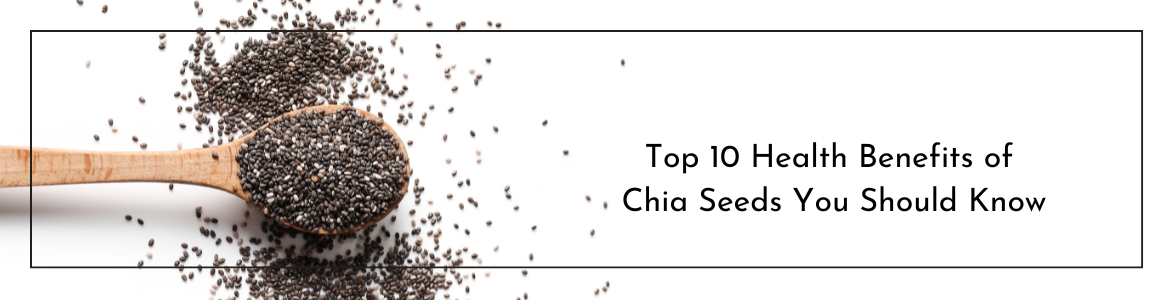
Chia seeds are considered a nutrient-dense superfood. They are packed with omega-3, protein, and fibre. It also contains micronutrients like calcium, magnesium, and phosphorus that help with bone health. Overall, chia seeds are easy to add to your diet and can have numerous health benefits for you. From losing weight to regulating blood sugar levels, there are genuine medical benefits to adding this food to your diet.
However, as the saying goes, “too much of anything is a bad thing.” So while there are benefits, it is also important to be mindful of the side effects of chia seed consumption. So, in this blog, let’s dive deep into the top 10 health benefits of chia seeds. We will also learn about the nutritional breakdown of chia seeds and how it helps your health goals.
Chia seeds come from a plant called Salvia hispanica. The plant is native to Mexico and Guatemala. The seeds are packed with fibre, omega-3 fatty acids (one of the few veg sources of omega-3), protein, and other micronutrients. They are low in calories while being packed with various nutrients, which gives them the title of superfood.
The food is also easy to add to your diet, allowing you to get several health benefits, such as improved heart health, improved digestion, and overall physical health improvements. Simply adding two tablespoons of chia seeds to your diet daily can have several health benefits. What are the nutritional values of two tablespoons of chia seeds? Let’s find out.
| Nutrient | Amount (Per 28 grams) | % of ICMR Daily Requirement | Health Benefit |
| Calories | 137 kcal | 6% to 8% of daily calorie requirements, assuming a 2,000 kcal/day diet. | Provides physical energy |
| Dietary Fibre | 10 to 11 grams | 35% to 40% of the daily dietary fibre intake requirements of 25 to 30 grams per day (estimated) | Helps improve digestion and satiety |
| Protein | 4 to 5 grams | 8% to 10% of the daily protein intake requirements, considering a 50 grams per day estimate | Helps build and repair muscles and supports satiety |
| Omega-3 (ALA) | 5 grams | No fixed RDA; however, adequate daily intake is met | Helps improve and maintain heart health |
| Calcium | 180 mg | 18% of the daily calcium intake requirement is 1,000 mg per day | Strengthens bones |
| Magnesium | 95 mg | 25% to 30% of the daily magnesium intake requirement, as per 340 mg per day | Supports nerve functions and muscles |
| Iron | 2 to 2.5 mg | 10% to 12% of the daily iron requirements, as per 20 mg per day | High improve oxygen transportation in the blood |
Chia seeds have the potential to positively influence your cardiovascular health. This is because chia seeds are rich in omega-3 (ALA), dietary fibres, and antioxidants. When consumed daily, chia seeds can help your body reduce inflammation thanks to their rich antioxidants. Additionally, cholesterol levels can also go down if you take chia seeds every day. This is because dietary fibre contained in chia seeds can help manage high cholesterol levels.
Chia seeds contain soluble dietary fibre. That’s the best type of fibre to consume for improved gut and digestive health. It helps make your bowel movements more regular and healthier while treating problems like constipation. The soluble fibre also helps promote gut function in your body. This particular benefit of chia seeds is especially useful for people who are suffering from haemorrhoids. Chia seeds can add fibre to your stool, helping you ease symptoms of haemorrhoids.
When you consume chia seeds, you will notice that they become gel-like when mixed with water. That gel-like consistency is what helps you lose weight. It slows down digestion in your stomach, which helps you feel full for longer. So, as a result, you eat less because of satiety, which helps you meet your calorie deficit requirements. The effects chia seeds have in helping you reduce overeating are good for you.
It is important to note that there are a lot of myths on the internet that claim chia seeds can help you treat diabetes. That is not true. Chia seeds can help you manage your blood sugar levels with better glycemic control. Glycemic control refers to foods that can prevent blood sugar spikes in your body. If you have blood sugar spikes, it increases hunger and cravings. This leads to overeating and can lead to an increase in your blood sugar level again.
Antioxidants help reduce inflammation in your body. Chia seeds are rich in antioxidants, which can help manage oxidative stress in your body that’s caused by numerous factors. Chia seeds also contain compounds like quercetin, which support long-term health. The key here is consuming a safe amount daily to let the micronutrients do their job on your body over time.
Chia seeds contain calcium, which is an important part of maintaining your bone health. Chia seeds not only contain calcium, it also contain phosphorus and magnesium, all of which help with your orthopaedic health and overall wellbeing. Regular consumption of food that’s rich in calcium can help your body strengthen bones and maintain bone density, especially as you age. It is also important to note that increased calcium consumption should also come with increased hydration to prevent the risk of kidney stones.
Chia seeds contain protein, and they are among the few plant-based protein options. Since this is not soy-based, people with soy allergies can also safely take chia seeds to meet their protein intake. On average, two tablespoons of chia seeds contain up to five grams of protein. This is significant and can help you meet your daily protein intake requirements. Since chia seeds can be taken with every meal, it is a convenient protein source that increases the nutritional value of every meal.
Taking just chia seeds every day does not constitute a balanced diet. However, chia seeds themselves have balanced macros between fat, fibre, and protein. This helps your body support steady energy and prevent glycemic spikes. You also get slow digestion, which helps with satiety and energy. Additionally, it prevents energy crashes that come from sugar spikes. All these factors help chia seeds become a healthy part of your day that helps you function optimally.
The omega-3 and antioxidant contents of chia seeds are known to have beneficial effects for your skin. When consumed regularly, it helps your skin maintain elasticity and hydration. However, it is also very important to hydrate properly every day, drinking up to 3 litres of water per day to get the most skin-friendly benefits of chia seeds.
Chia seeds are easy to add to your diet. You can add it to your breakfast, you can take a chia seed smoothie post-workout, or as a part of your evening snack. In fact, even if you have chia seeds twice a day, it shouldn’t be too much of a problem for you, as long as you’re not having gastrointestinal or digestive issues. The neutral taste palette and the gel-forming property make it very easy to create numerous recipes with chia seeds. This is among the reasons why chia seeds have grown in popularity and are regularly known as a superfood today.
Yes, chia seeds are good for weight loss and blood sugar control. They can work as a part of your overall diet changes, but they cannot be used independently to achieve said goals. Here’s a clear overview of how chia seeds work for weight loss and diabetes.
Chia seeds help with weight loss primarily because of their high soluble fibre content. Adding fibre to your diet helps prevent cravings and keeps you full for longer. It also reduces water retention in your body, which leads to an immediate drop in your body weight on the scale due to a loss of water weight. Additionally, the fibre content makes you feel full for longer, which prevents overeating. Overall, all these factors combined help you lose weight and live a healthier life in general.
Blood sugar control is more complex compared to weight loss, and while chia seeds can be a part of your blood sugar management routine, they can’t independently offer reasonable results. You should consider adding chia seeds to your daily diet, especially in the morning, to manage your glycemic index and prevent sugar spikes. Preventing sugar spikes helps your body maintain a stable energy level throughout the day and also stops cravings that lead to overeating. The mechanism of how chia seeds work is by slowing down the digestion of carbohydrates and by adding fibre to your diet, which reduces the risk of rapid glucose spikes post-meal.
Chia seeds are very versatile, and as a result, you can have them in many different ways. Here are some of the most popular ways to incorporate chia seeds into your diet.
Chia seeds are generally safe to consume for everyone. However, they do contain high amounts of soluble dietary fibre. If you are not used to a high fibre diet, adding a ton of dietary fibre suddenly can cause unwanted gastrointestinal and digestive side effects. So, what are the side effects of chia seeds, and what are the precautions you should follow? Let’s explore.
If you are not used to a high fibre diet and you suddenly start taking a large amount of chia seeds per day, you’ll experience digestive discomfort, such as bloating, gas, or constipation. The best way to deal with this is to start slow at only one tablespoon of chia seeds per day, drink plenty of water, and slowly increase your chia seed intake.
As mentioned previously, you should always soak chia seeds before consumption to ensure you do not choke on them. Chia seeds are highly liquid-absorbent, and as a result, they can get stuck in your throat and cause a choking hazard. When these seeds come in contact with water, they grow in size, which can cause a blockage of your food pipe and windpipe if consumed dry.
Chia seeds can absorb water up to 10 to 12 times their own weight. So, if you are not having enough water after adding chia seeds to your diet, it will increase your risk of digestive discomfort. Additionally, adequate hydration can also ensure that chia seeds and their calcium content do not lead to a higher risk of kidney stones for you.
Although this is a rare occurrence, some individuals may have an allergic reaction to chia seeds. The allergic reactions may include skin rashes, digestive discomfort, and itching. If these symptoms occur after you take chia seeds and stop when you stop taking chia seeds, you should seek medical help.
If you know someone who:
These people should be especially careful when adding a new item to their diet. Even though chia seeds are safe for the most part, a small consultation with your healthcare provider goes a long way to understanding just how beneficial chia seeds can be for your specific health goals.
Yes, you should add chia seeds to your diet because of their health benefits. Even though there are some risks to chia seeds, like adverse gastrointestinal effects, they can be managed with mindful consumption. Additionally, chia seeds are among the very few plant-based sources of omega-3, which makes them incredibly important for people following a vegan diet.
The rich soluble dietary fibre in chia seeds also adds a lot of value to the superfood as a general diet management choice. Lastly, chia seeds are versatile and easy to consume. For all these reasons and more, you should add chia seeds to your diet if you are trying to eat healthier, lose weight, or manage diabetes. For more information about the importance of chia seeds for patients who need to undergo bariatric surgery, consult with our specialists today at the MASSH Super Specialty Hospital.
These tiny seeds, derived from the Salvia hispanica plant, are packed with nutrients that can provide numerous health benefits. From helping in managing obesity, supporting orthopedic health, relieving piles, and more, chia seeds are a versatile choice. Whether you’re looking to improve your diet or simply curious about adding something new to your meals, chia seeds offer a nutritious option.
Chia seeds are a powerful superfood that supports weight loss, heart health, digestion, and overall well-being. For those struggling with obesity, MASSH Hospital, Delhi offers expert care and tailored solutions for effective and long-term weight management.
MASSH Super Speciality Hospital Bariatric Surgery Team
Our highly experienced bariatric surgeons have expertise in advanced treatment options for obesity, including dietary and lifestyle modifications, along with highly advanced minimally invasive bariatric surgery like sleeve gastrectomy and gastric bypass surgeries. Treatments are often accompanied by lifestyle and metabolic guidelines for long-term sustainable metabolic health.
Yes, you can eat chia seeds every day as long as you are not experiencing adverse medical side effects like gas, bloating, or digestive discomfort. If you are experiencing these symptoms, it is important to either stop or lower the amount of chia seeds you consume every day.
You should consume up to 2 tablespoons of chia seeds daily as part of a safe dietary plan. However, if you have never had chia seeds before, start with a smaller amount, like 1 tablespoon per day, and move up. If your doctors recommend higher amounts of daily chia seed consumption, feel free to follow their advice.
Yes, chia seeds can help you lose weight in two ways. First, chia seeds can absorb water up to 12 times their weight. So, in your stomach, it can absorb some of the water that increases your body weight on the scale, known as water weight. Additionally, the dietary fibre content of chia seeds can help you stay full longer and have fewer cravings. This can help you maintain the calorie deficit you need to lose weight.
You can have chia seeds at any time of the day. The superfood is highly versatile, and from oatmeal to salads, you can have it in many different ways. If you want the most benefits, however, you should consider having it in the morning. That way, you can prevent glucose spikes after breakfast and have steady energy throughout the day without feeling down.
Yes, it is best to soak chia seeds before consumption. While you can eat chia seeds raw, it is a choking hazard and should not be tried in your best interest. Soaking the chia seeds in plain water for just 10 to 15 minutes can prepare them for consumption in their ideal form.
This blog is intended for educational and informational purposes only. It should not be considered a substitute for professional medical advice, diagnosis, or treatment. Always consult a qualified bariatric surgeon in Delhi for proper evaluation and treatment recommendations.
Learn about H3N2 Influenza A symptoms & treatment. Get expert flu care and advanced treatment at MASSH Hospitals Delhi.
Written by MASSH
Sep 30, 2025
Want a customized Navratri diet or fitness plan? Consult our nutrition and wellness experts at MASSH Hospital for guidance tailored to your healt...
Written by MASSH
Sep 26, 2025
Follow a kidney-friendly diet with expert nephrologist tips. Learn the right foods to protect and maintain healthy kidneys.
Written by MASSH
Sep 22, 2025





 Quick Enquiry
  Call(24*7)
  Whatsapp