


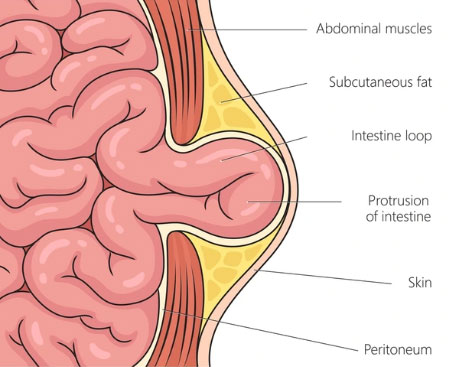
What is Hernia?
A hernia occurs when an organ or tissue pushes through a weak spot in the muscles, usually in the belly or groin region. Symptoms include a noticeable bulge, pain or discomfort, and in severe cases, nausea or vomiting. Risk factors include heavy lifting, chronic coughing, obesity, pregnancy, and previous surgeries. Treatment ranges from monitoring to surgical repair, depending on severity. Maintaining a healthy weight, avoiding heavy lifting, and eating a high-fiber diet can help prevent hernias. Seeing a doctor early is important to avoid complications and get the right treatment.
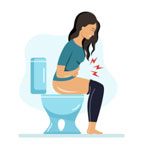
Are you having any of these symptoms?







Why should you not delay hernia treatment?
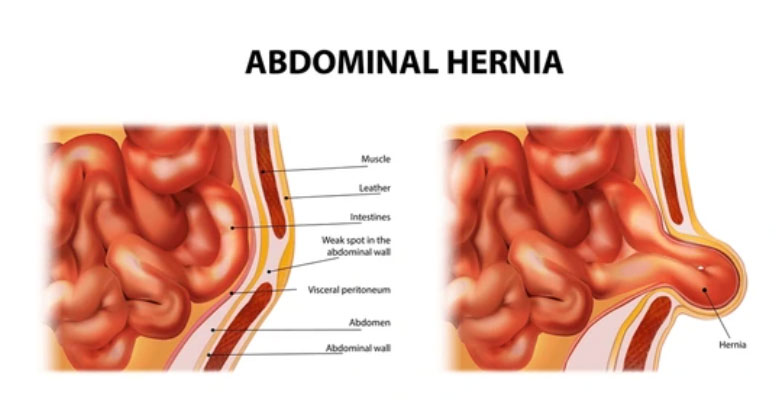
- Risk of hernia becoming larger
- Increased pain and discomfort
- Possibility of hernia becoming strangulated (cutting off blood supply)
- Risk of bowel obstruction
- Increased difficulty and complexity of surgical repair
- Higher chances of complications and prolonged recovery
- Potential for emergency surgery, which carries more risks
- Prevention of further health complications and maintaining quality of life
Different Types of Hernia We Can Help You Treat
- Inguinal Hernia
Bulge in the groin area near the inguinal canal. - Femoral Hernia
Bulge in the upper thigh just below the inguinal ligament. - Umbilical Hernia
Bulge around the navel at the belly button. - Spigelian Hernia
Bulge along the edge of the rectus abdominis muscle, lateral to the rectus muscles. - Obturator Hernia
Bulge through the obturator canal in the pelvic bone. - Diaphragmatic Hernia
Abdominal organs moving into the chest cavity through a defect in the diaphragm. - Sliding Hernia
Part of an organ forms part of the hernia sac, often involving the colon or bladder, usually in inguinal or femoral regions. - Lumbar Hernia
Bulge in the lumbar region of the back through the lumbar triangles. - Parastomal Hernia
Bulge around a stoma created during surgery. - Interparietal Hernia
Bulge between layers of abdominal muscles. - Morgagni Hernia
Bulge near the front of the diaphragm.
- Incisional Hernia
Bulge at the site of a previous surgical incision in the abdomen. - Hiatal Hernia
Part of the stomach pushing up through the diaphragm into the chest cavity. - Epigastric Hernia
Bulge between the navel and the lower rib cage in the midline of the abdomen. - Richter's Hernia
Part of the bowel wall bulging and potentially becoming strangulated, often in femoral or inguinal regions. - Perineal Hernia
Bulge through the pelvic floor between the anus and the scrotum or vulva. - Littre's Hernia
Bulge containing a Meckel's diverticulum, typically found in the lower abdomen or near the umbilical region. - Oblique Hernia
Oblique positioning of the hernia sac, a variation of inguinal hernia in the inguinal canal. - Bochdalek Hernia
Bulge at the back of the diaphragm. - Amyand's Hernia
Bulge containing the appendix within an inguinal hernia. - Grynfeltt's Hernia
Bulge through the superior lumbar triangle. - Sciatic Hernia
Bulge through the sciatic foramen into the gluteal region.
The Only Hospital in Delhi with Advanced Rubina 4k 3D System for Laparoscopic Surgeries
Please enter 4 digit confirmation code
sent on your mobile


Advantages of 3D Laparoscopic Hernia Repair over General Laparoscopic Hernia Repair
- Scar
- Stitches
- Procedure
- Anaesthesia Time
- Blood Loss
- Complication Rates
- Conversion to Open Surgery
- Hospital Stay
- Walking Post Surgery
- Bathing
3D Laparoscopic
Hernia Repair
- No Scar
- No Stitches
- Approx 30-40 mins
- Approx 30-40 mins
- Minimal
- Minimal
- Practically Nil
- 24 Hours
- Within 12 Hours
- Next Day
Laparoscopic
Hernia Repair
- Minimal Scarring
- Multiple Stitches
- Approx 1 to 2.5 hours
- Approx 1 to 2.5 hours
- Minimal to Moderate
- Moderate to High
- 30-40%
- 48 Hours
- After 24 Hours
- After 5-7 Days
| 3D Laparoscopic Hernia Repair | Laparoscopic Hernia Repair | |
|---|---|---|
| Scar | No Scar | Minimal Scarring |
| Stitches | No Stitches | Multiple Stitches |
| Procedure | Approx 30-40 mins | Approx 1 to 2.5 hours |
| Anaesthesia Time | Approx 30-40 mins | Approx 1 to 2.5 hours |
| Blood Loss | Minimal | Minimal to Moderate |
| Complication Rates | Minimal | Moderate to High |
| Conversion to Open Surgery | Practically Nil | 30-40% |
| Hospital Stay | 24 Hours | 48 Hours |
| Walking Post Surgery | Within 12 Hours | After 24 Hours |
| Bathing | Next Day | After 5-7 Days |
| * Insurance cases need 24 hours admission. | ||
Check Insurance Coverage
Quickly verify whether your hernia treatment is covered in your health insurance policy or not.
Check NowWhy Choose MASSH Hospitals?
MASSH Group of Hospitals is a trusted name in delivering advanced healthcare solutions with a network of premier super speciality hospitals, committed to providing ethical, compassionate, and innovative care. Our expanding network ensures that cutting-edge medical services are always within your reach.
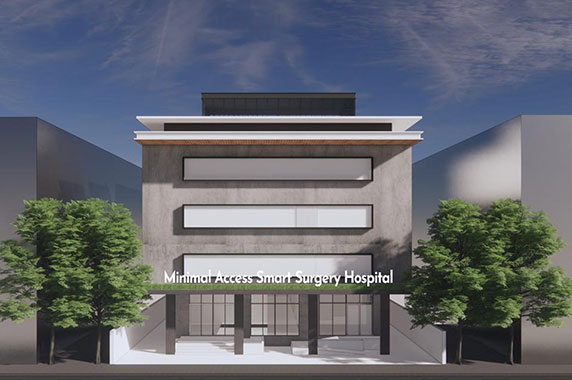
MASSH Hospital
South Delhi
50 Bedded | 
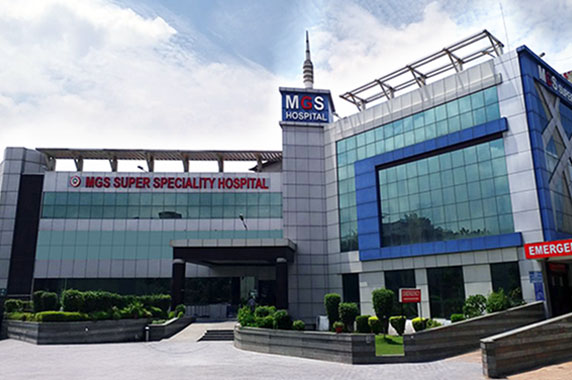
MGS-MASSH Hospital
West Delhi
150 Bedded |
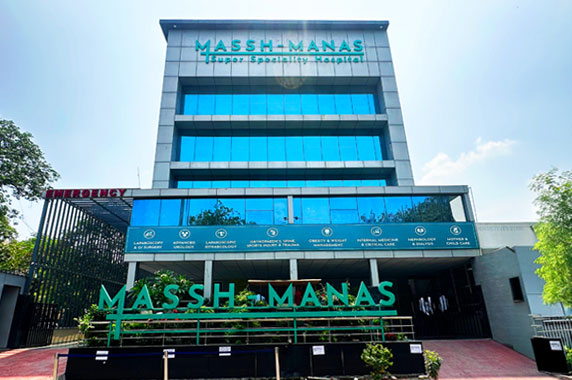
MASSH-MANAS Hospital
Noida
50 Bedded |
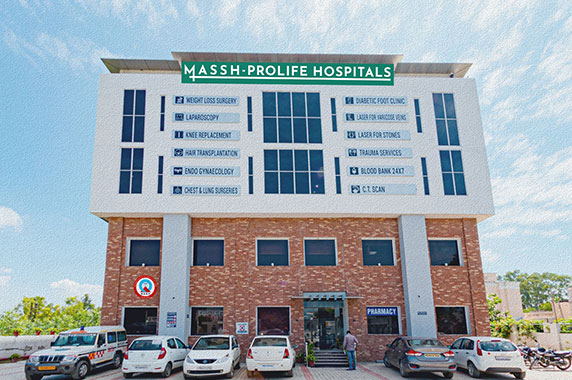
MASSH-PROLIFE Hospital
Ludhiana
100 Bedded |
MASSH Hospital, South Delhi
50 Bedded |
MGS-MASSH Hospital
West Delhi
150 Bedded |
MASSH-MANAS Hospital, Noida
50 Bedded |
MASSH-PROLIFE Hospital, Ludhiana
100 Bedded |
- Advanced Treatments
- Affordable Healthcare
- Chain of Super Speciality Hospitals
- World-Class Technology
- Short Stay Surgeries
- Expert Surgeons
- Low Infection Rate
- Comfortable & Smart Facilities
- Personalised Care
Our Senior Doctors
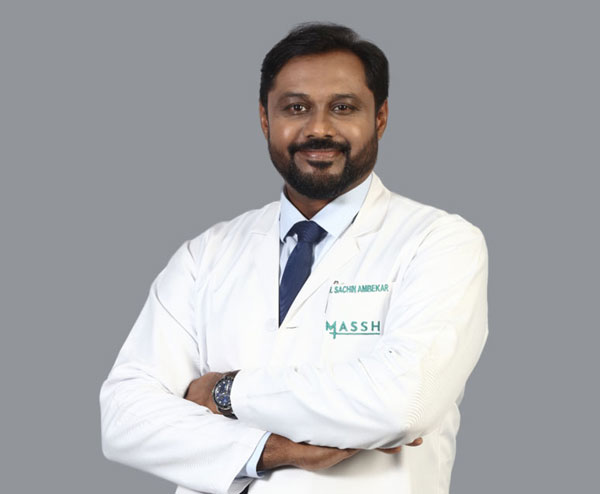
Dr. Sachin Ambekar
Director - Minimal Access Surgery & Medical Director
Chirag Enclave, South Delhi
MBBS, MD, MS (General Surgery)
Dr. Sachin is a highly qualified surgeon with a deep understanding of the importance of patient care, combined with exceptional skills and surgical prowess. He has redefined the boundaries of Minimal Access Surgery and is now a sought-after name in the medical community, gaining immense popularity among his patients and their families.
Dr. Sachin Ambekar
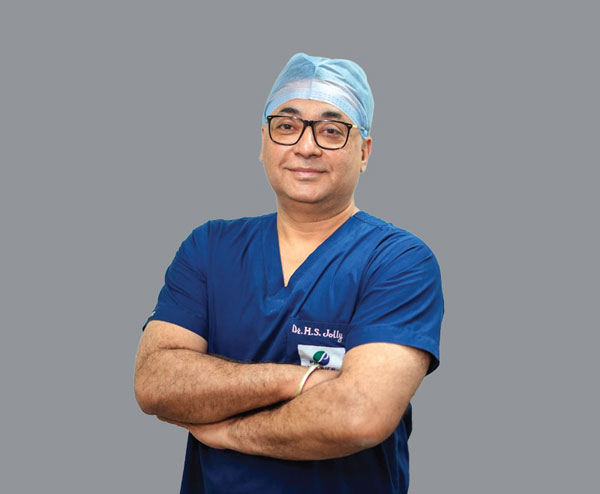
Dr. Harpreet Singh Jolly
Director - Laparoscopy & Bariatric Surgery
Gill Village, Malerkotla Road, Ludhiana
MBBS, MS, DNB, FMAS, SAGES Member
Dr. Jolly is a highly qualified surgeon with a deep understanding of the importance of patient care, combined with exceptional skills and surgical prowess. He has redefined the boundaries of Minimal Access Surgery and is now a sought-after name in the medical community in Punjab, gaining immense popularity among his patients and their families.
Dr. Harpreet Singh Jolly
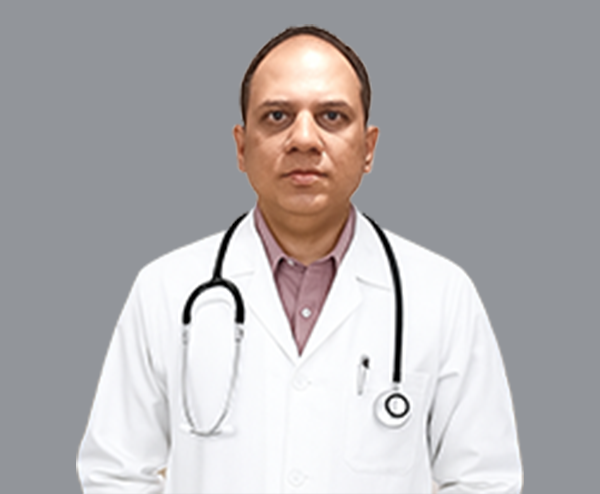
Dr. Amit Kumar
Consultant – laparoscopic GI & General surgery
Sector 34, Noida
MBBS, MS (General Surgery), Fellowships: FIAGES, FISCP
Dr. Amit Kumar is an accomplished General & GI Surgeon with more than two decades of extensive experience in surgical practice, academic teaching, and complex patient management. He completed his MBBS from Calcutta University (NRS Medical College, Kolkata) and MS in General Surgery from Ranchi University (RIMS, Ranchi).
Dr. Amit Kumar
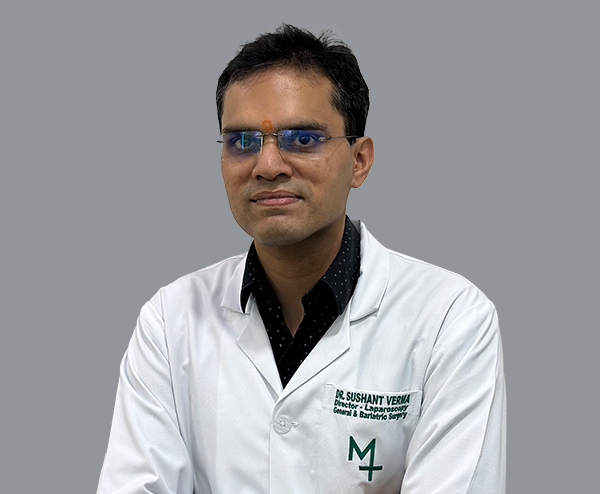
Dr. Sushant Verma
Director - Laparoscopy, General & Bariatric Surgery
Rohtak Road, West Punjabi Bagh, New Delhi
MBBS, MS, DNB, MCLS
Dr. Sushant Verma is a highly skilled Laparoscopic, General, and Robotic Surgeon with over 14+ years of rich experience, having successfully treated more than 10,000 patients. A graduate of UCMS, Delhi (MBBS 2004-09) and MS Surgery from MAMC & LNJP Hospital, he further earned his DNB in Surgery and advanced training in Minimal Access and Robotic Surgery.
Dr. Sushant Verma
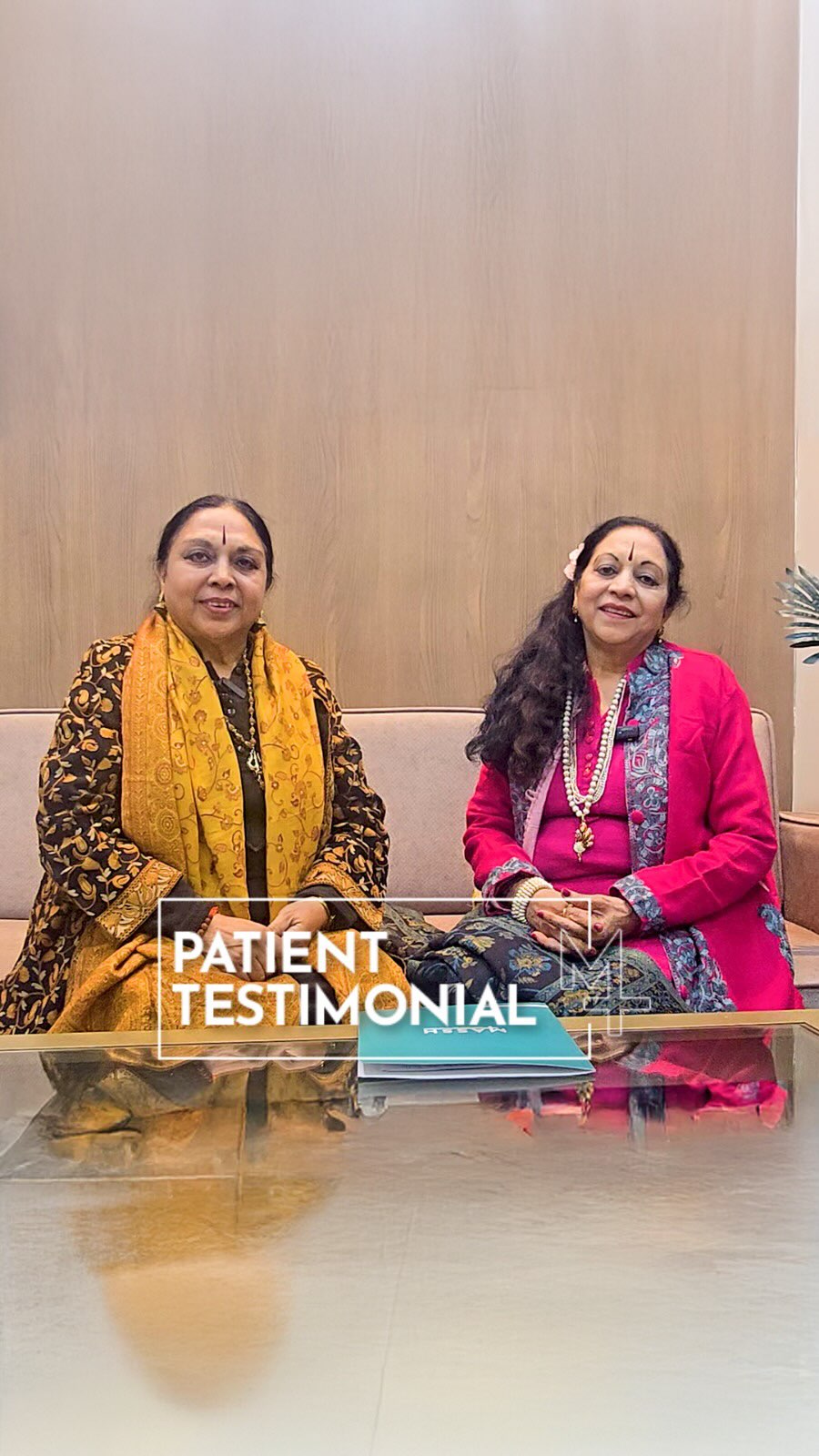
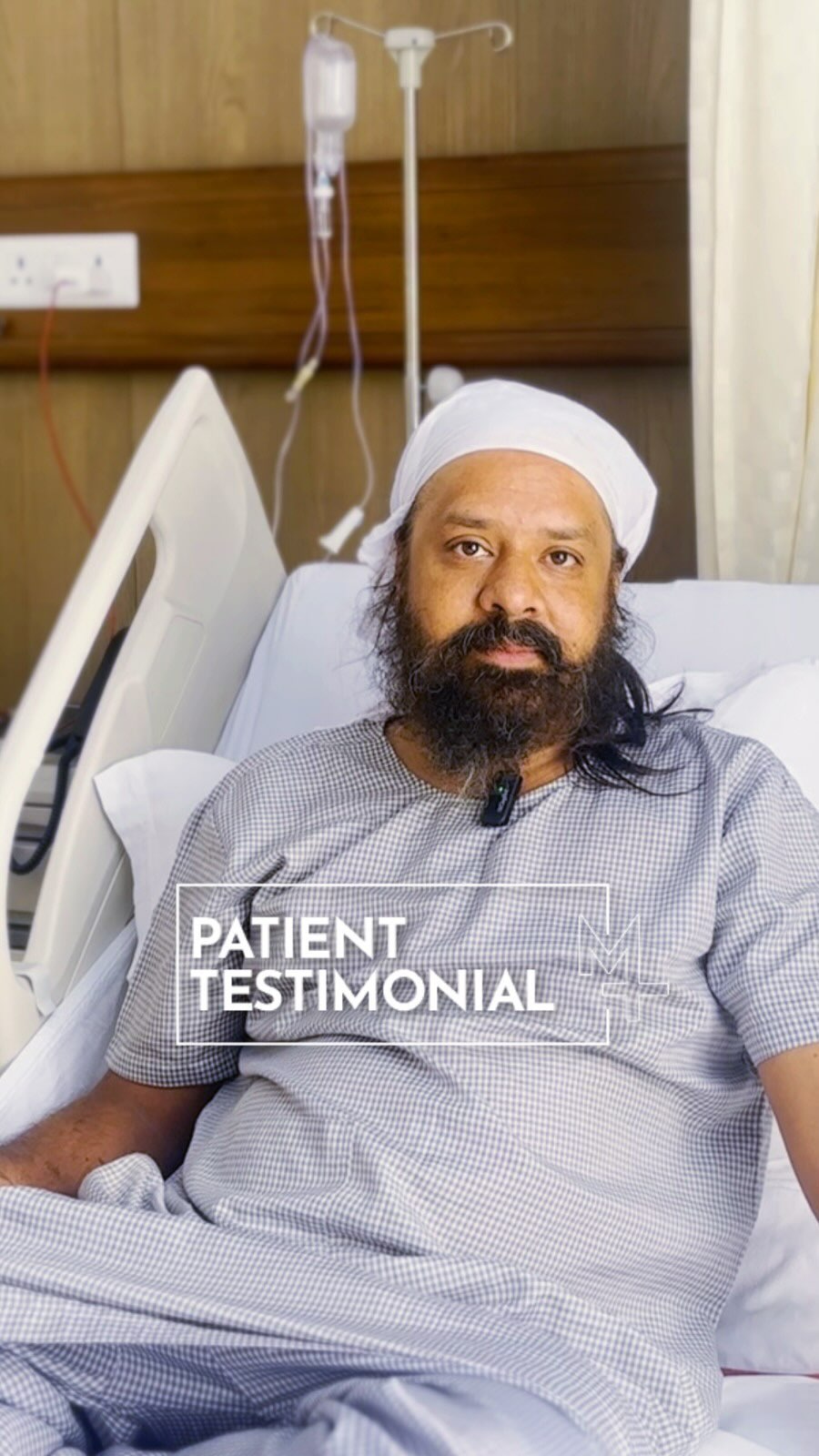
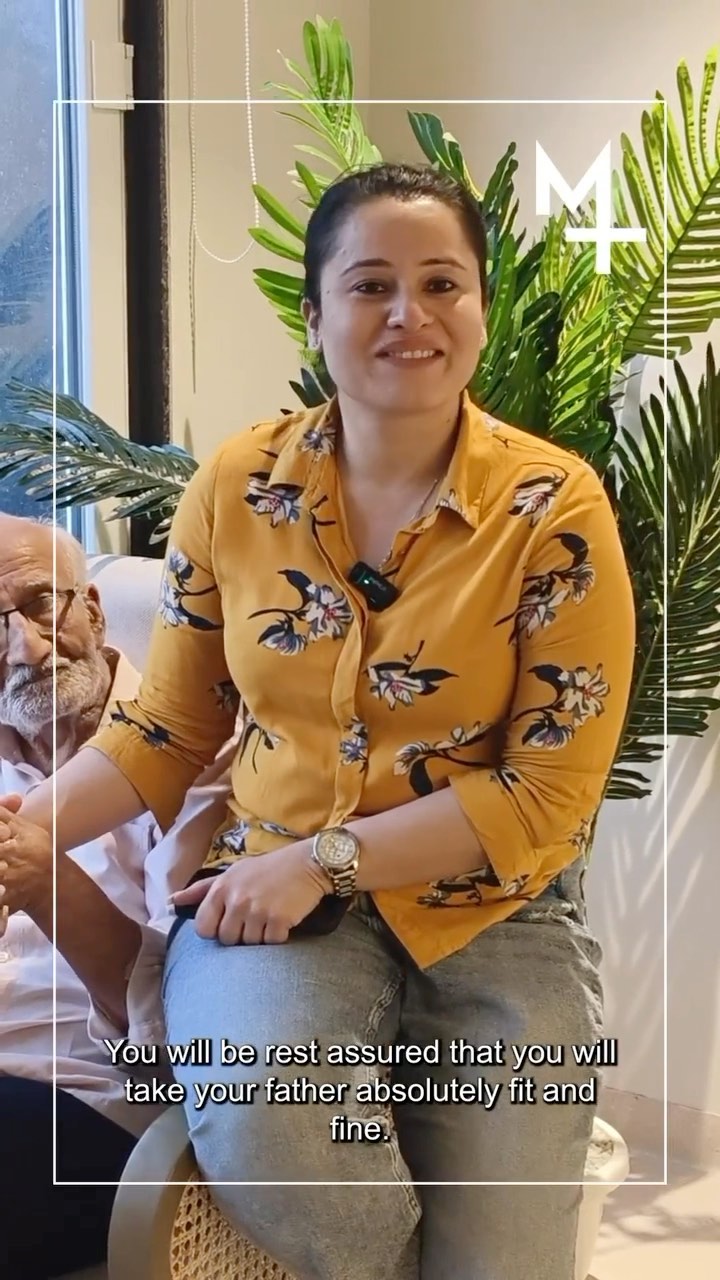
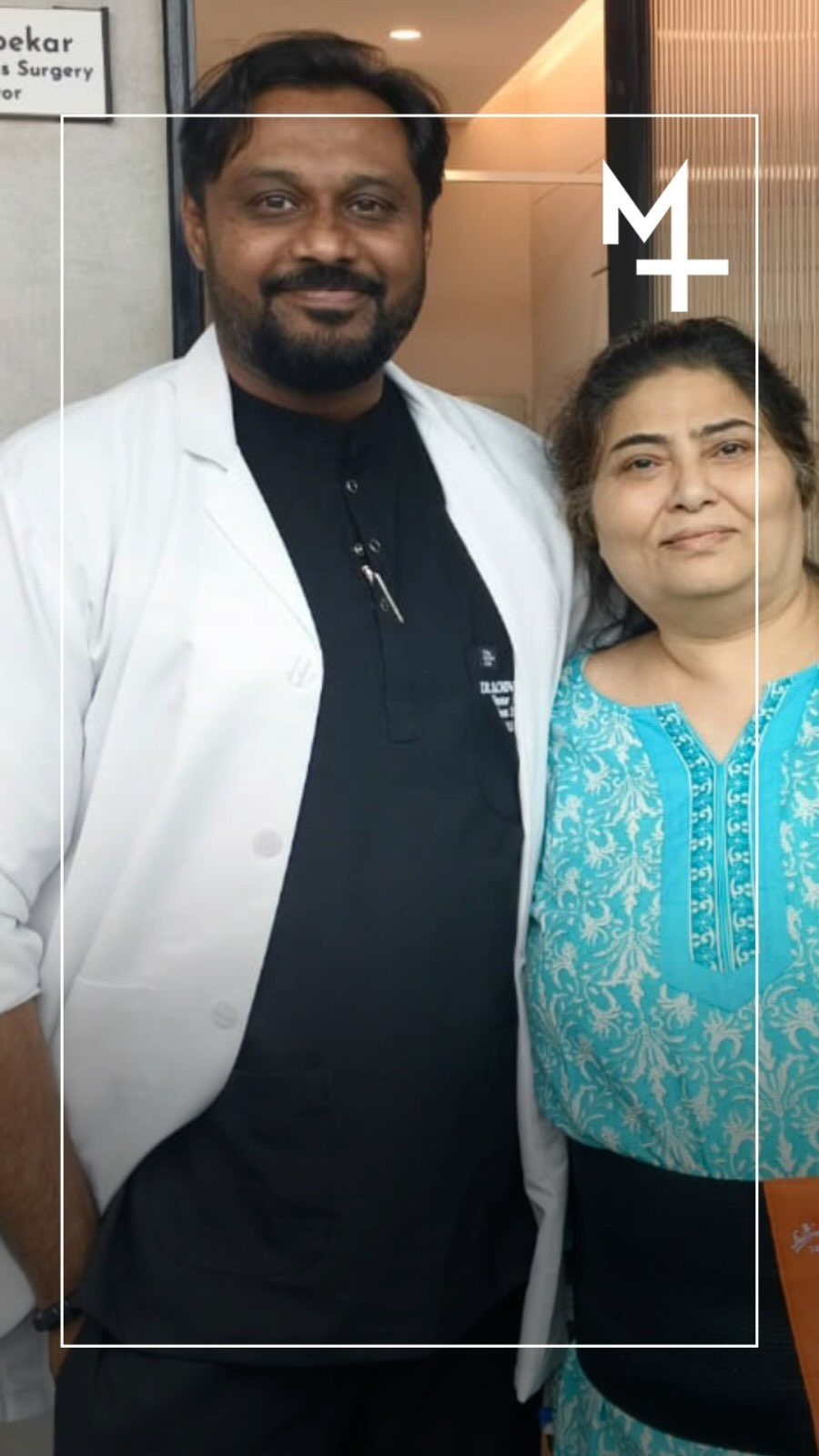
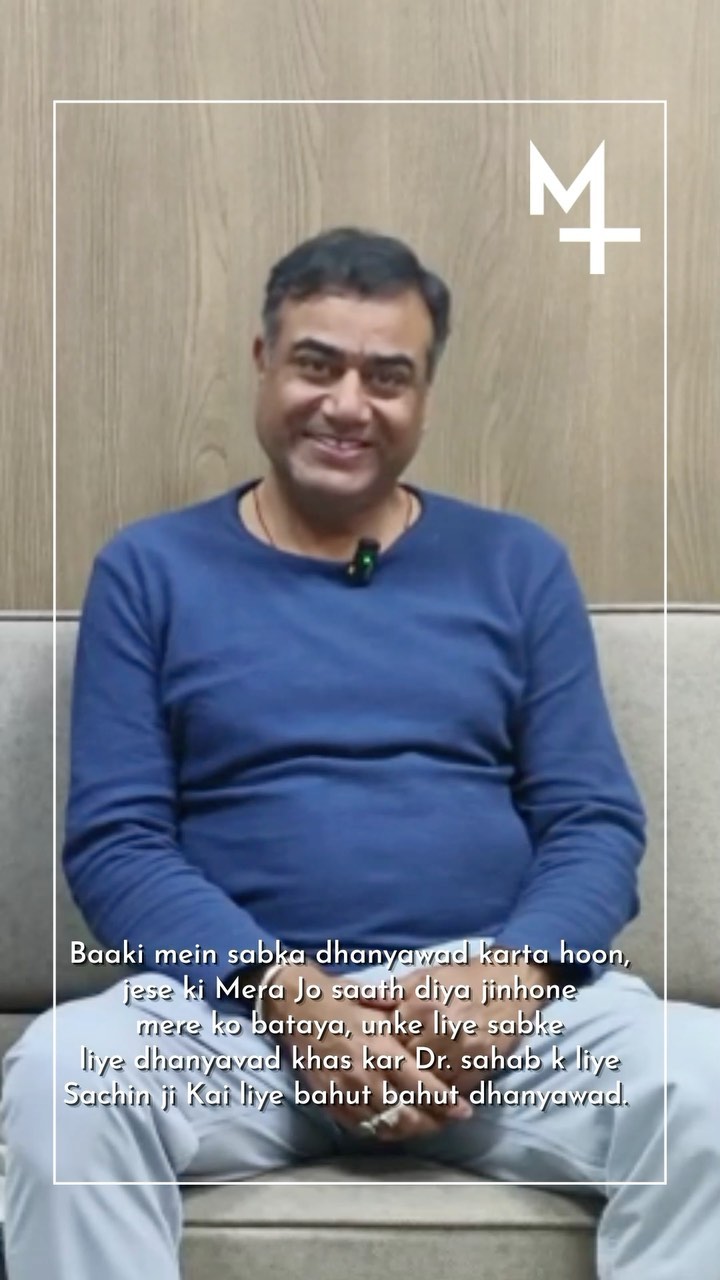
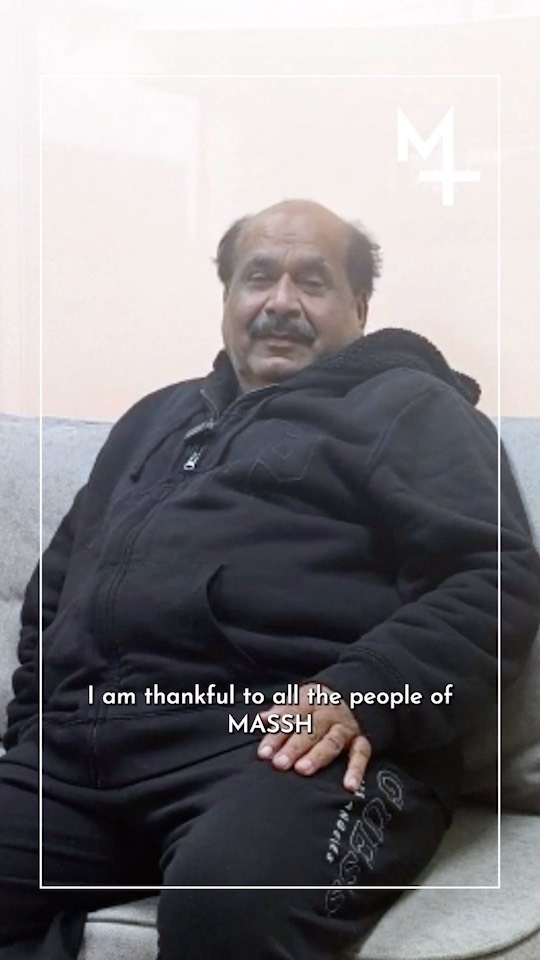
Google Reviews
I went to MASSH hospital for my father's hernia surgery. Dr. Sachin Ambekar was extremely friendly and supportive throughout and clearly communicated the risks and advantages of doing the surgery. He's very well experienced also. The nurses were also very kind and friendly, same for people in reception and other staff. The work with my insurance was handled well by marium. Overall we had a very good experience. The premises are quite clean too. Will definitely visit again if needed.

Joy Bose
Dr Sachin Ambekar is a very good surgeon. He guided us very well about the procedure of surgery and the complications. After the surgery, we were very happy that everything was fine. Hospital room was very clean and all the staff was very helpful and well mannered. Thanks MASSH team.

Vikas Monal
I was Referred to this hospital by my family Doctor to Dr. Sachin Ambekar. Had under gone Laproscopic surgery on 5th April. I have undergone few surgeries here in India and Abroad but had lots of inhibitions of going through surgery here in India again. But to my utter disbelief I had a different experience altogether at MASSH. Here the patient is being given utmost care with enough time given to each patient explaining the need and the consequences of the operation and what are the further complications etc.that may arise. The choices are open to us. It doesn't take much time to understand that we are in safest hands to take a decision. I must mention Doctors at MASSH made me feel comfortable through out procedures and post recovery too. Now I feel very happy that my decision was correct to undergo surgery here. Thanking Dr.Sachin Ambekar his entire team in OT , Dr.shastri (cardio) also the entire staff of MASSH Hospital for there exemplary services.

Nirmala venugopal Menon
Dr. Sachin Ambekar is a brilliant surgeon who will leave no stone unturned to ensure a successful surgery. MASSH is a hospital with a difference. The staff is very courteous and caring, and the facilities are state of the art. All elements of the facility have been carefully planned for comfort and convenience. I have been to some of the best hospitals in India and Oman, but MASSH takes the cake. I highly recommend Dr. Sachin and MASSH.

Rishi Verma
Dr. Sachin Ambekar is a gem of a person, I travelled overseas to get me surgery done and I am glad that I came to him because since day one he has been a very helpful person. Told me each and everything about the thing that I was going through and suggested me what is good . It was totally worth it giving him all the trust, that everything will be perfectly fine after the surgery. Stays in touch with patients even after the surgery, very polite and friendly with the patients. I would say the best Laparoscopic surgeon in the city.

Akash Singh
Dr. Sachin Ambekar sir...you are a wonderful doctor and a wonderful human being. I would like to tell people that you are one of the best doctors in Delhi NCR. such a great and gem kind of person he is...he is golden asset of moolchand hospital delhi .he is so polite and great person. He listened to us and clarified on our each query. He is highly Ethical & caring doctor. If you are thinking of getting laparoscopy done then you can go to Dr Sachin without any doubt. in one word he is awesome

Vinay Kumar
Dr. Jolly is a very good doctor in the prolife hospital. He did my operation very well. This doctor is a very great doctor. He did my operation very well. I am very grateful to Dr. Jolly. Doctors become a second God for the patient

Jasmeet Kaur
Our experience is good in this hospital as we taking treatment from here and all staff also take care nicely to their patients

Manpreet Kaur
Book Free Consultation for Hernia Treatment in Delhi NCR
Please enter 4 digit confirmation code
sent on your mobile
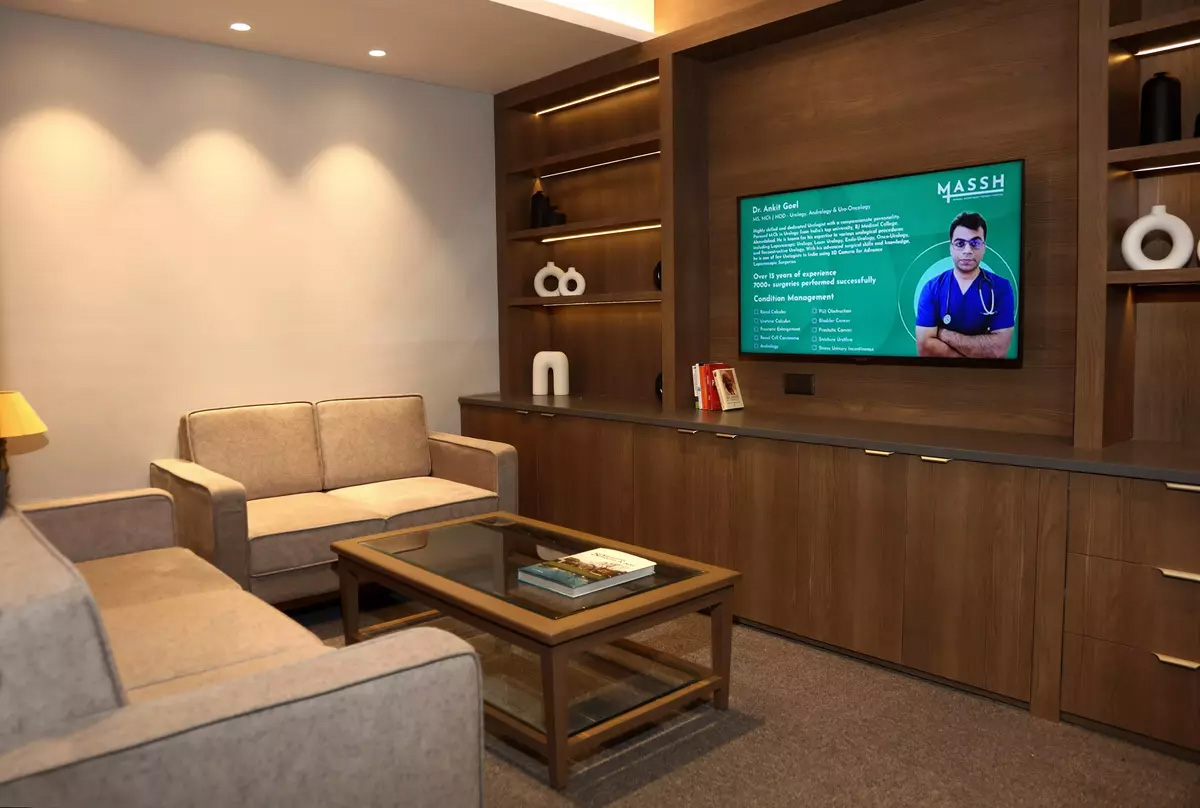
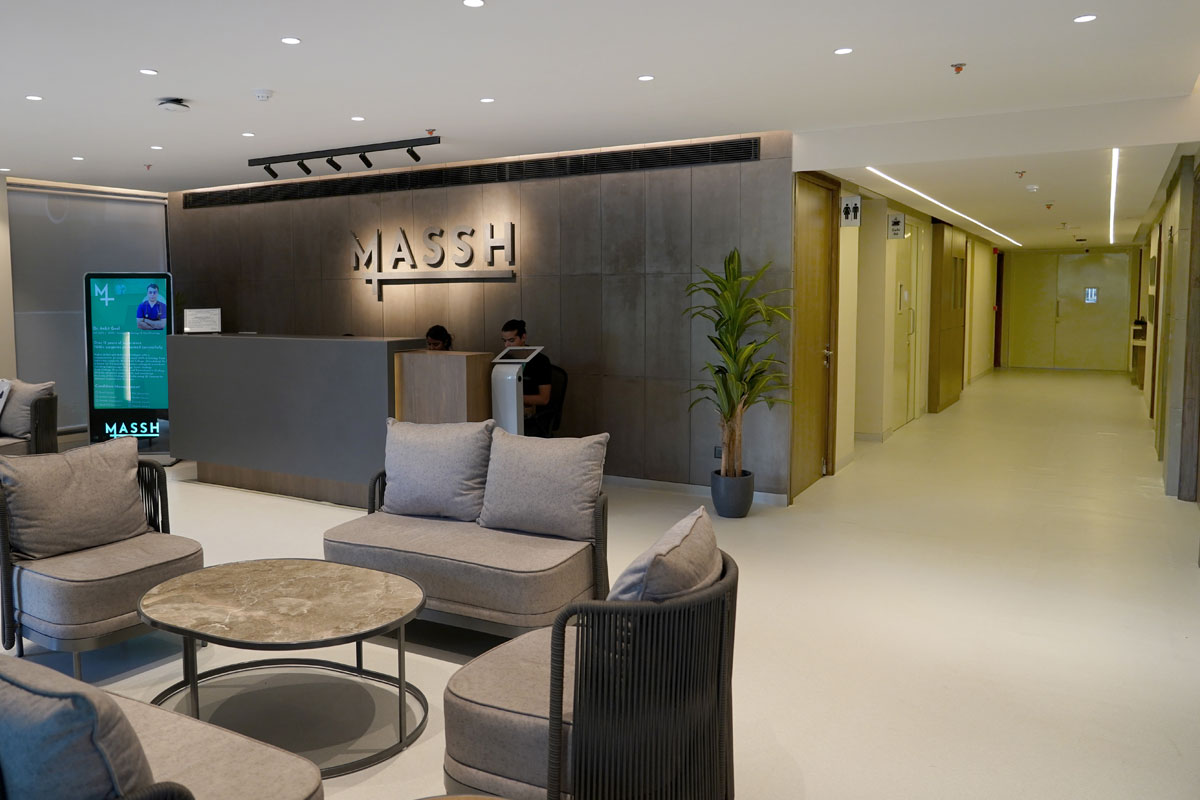
Gallery
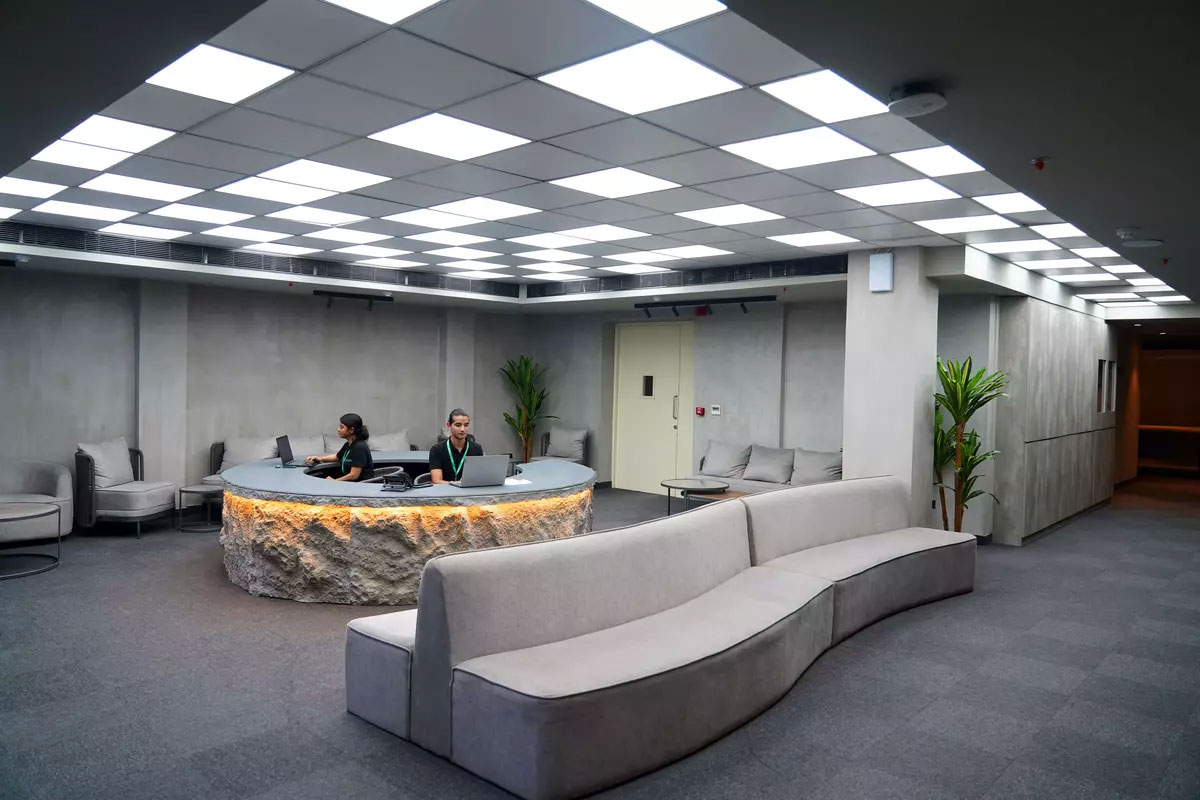
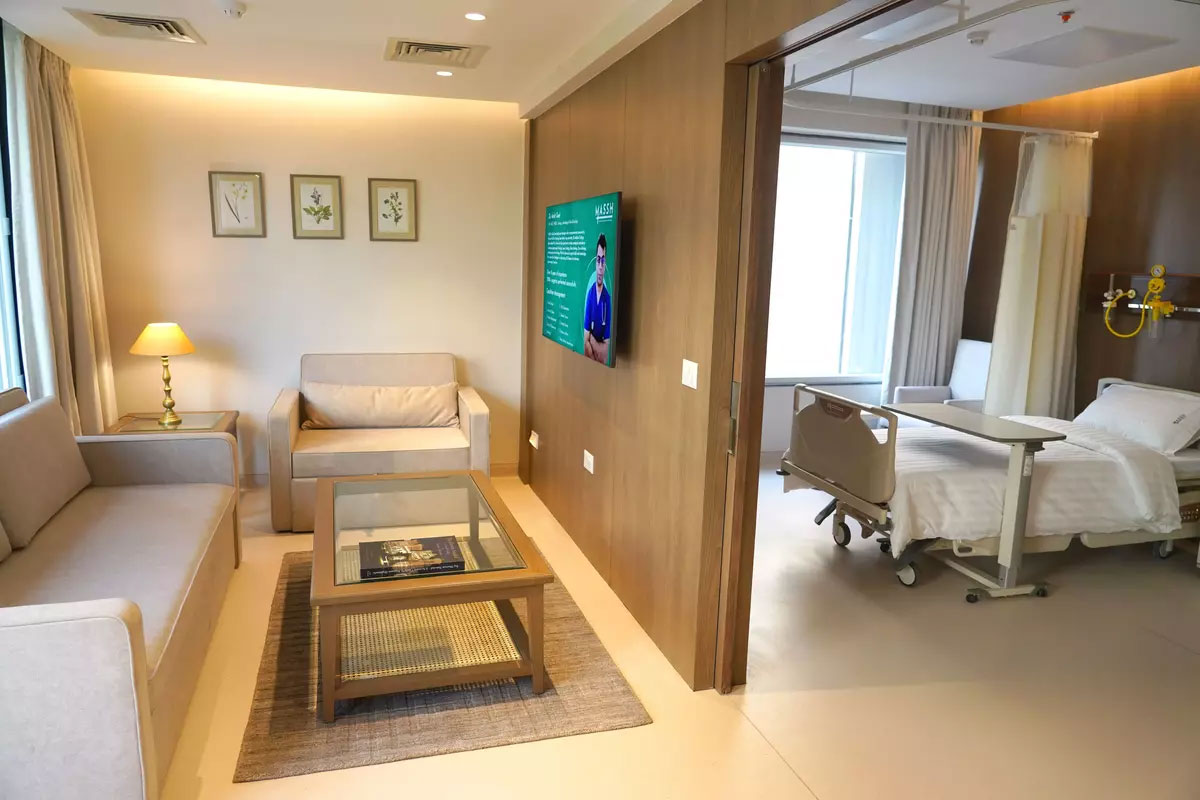
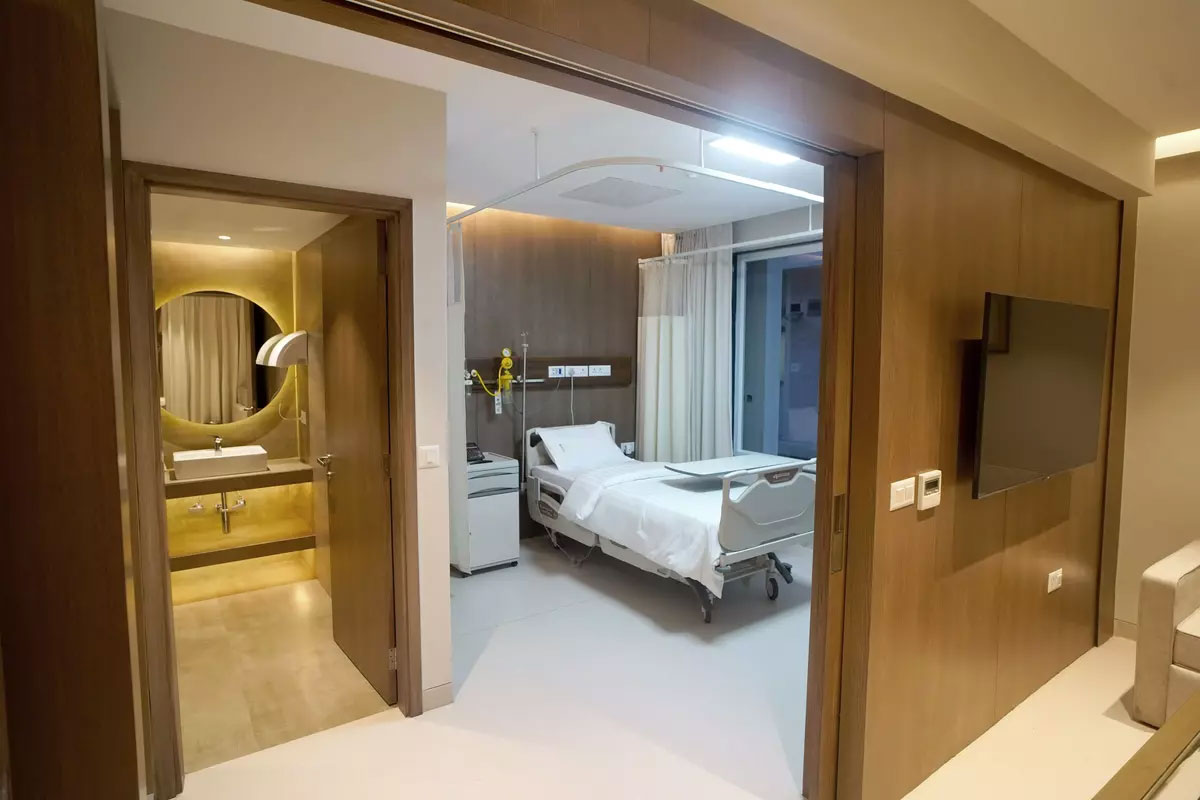
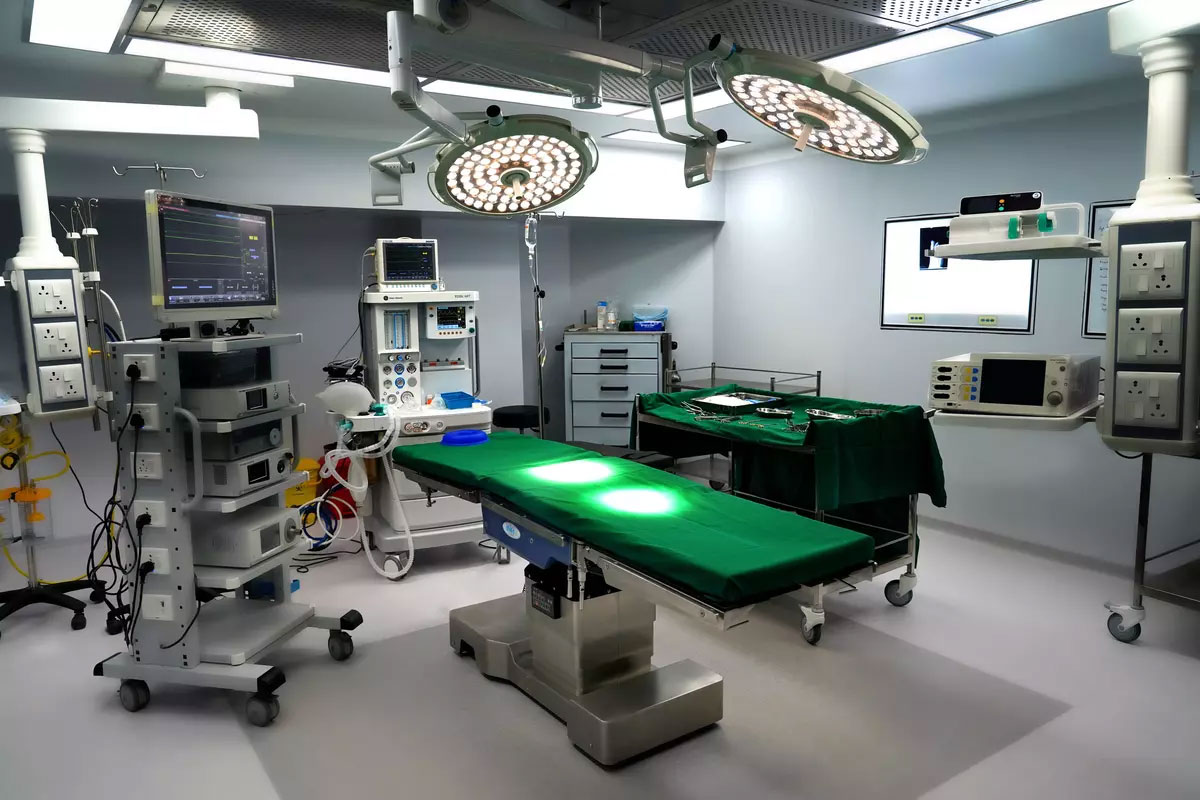
FAQs
Hernia occurs when an organ or tissue protrudes through a weak spot in the surrounding muscle or tissue. It is caused by weakened muscles or tissues.
The most common types of hernias are inguinal, femoral, umbilical, and incisional.
Common symptoms include a visible bulge or lump, pain or discomfort, and a sensation of heaviness or pressure in the affected area.
Yes, if left untreated, a hernia can lead to complications such as bowel obstruction or strangulation, which can cause tissue death.
Hernia surgery repairs the weakened area in the abdominal wall that is causing the hernia.
The most common types are laparoscopic hernia repairs and open hernia repair.
This involves making incisions in the affected area and repairing the hernia with sutures or mesh. However, we at MASSH conduct 3D Laparoscopic Surgeries for safety and better outcomes of patients.
This method uses several small incisions in the abdomen, a laparoscope, and small instruments to repair the hernia.
The choice depends on the type and severity of the hernia, and the patient's overall health and medical history.
It is uncommon but if there is some pain and discomfort post-surgery, it can be managed with pain medication.
Recovery time from 3D laparoscopic hernia repair is generally shorter than that of open surgery. Most patients can return to normal activities by the next day after laparoscopic surgery, while proper recovery from open surgery typically takes 4-6 weeks. The minimally invasive nature of laparoscopic surgery usually results in less pain and a quicker return to daily activities compared to the more extensive incisions required for open surgery. However, individual recovery times can vary based on personal health and the complexity of the hernia repair.
There is a risk of recurrence, but following the surgeon's post-operative instructions and avoiding activities that put pressure on the area can minimize this risk.
No, a hernia cannot be treated without surgery.
Yes, heavy lifting can stress the abdominal muscles and tissues, contributing to the development of a hernia.
Maintaining a healthy weight, avoiding heavy lifting, and practicing good posture and body mechanics can help prevent hernias.
Pregnancy can increase the risk of developing a hernia due to the pressure exerted by the growing uterus on the abdominal muscles and tissues.
If you experience persistent pain, swelling, fever, chills, or drainage from the incision site, contact your surgeon immediately as further testing or treatment may be needed.