


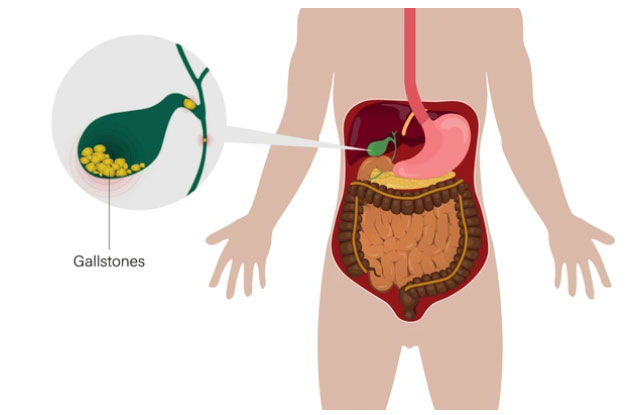
What are Gallbladder Stones?
Gallbladder stones, or gallstones, are solid particles that form in the gallbladder from bile components. These stones can vary in size and may cause severe pain, blockages, and infections in the bile ducts. One of the most common symptoms of gallstones is pain in the upper right abdomen. Gallbladder stones can be treated depending on their size, type, and the symptoms they cause. Factors such as diet, excess body weight, certain medical conditions, and some medications can increase the risk of developing gallstones. Regular medical check-ups and a healthy lifestyle can help manage and prevent gallstones.
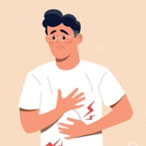
Are you having any of these symptoms?

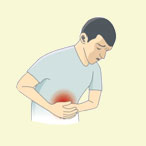

Why should you not delay gallbladder stones treatment?
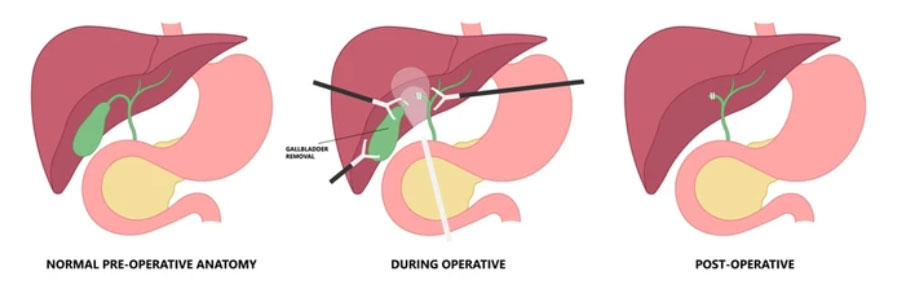
- Intolerable pain
- Risk of severe infection (cholecystitis)
- Pancreatitis
- Biliary colic
- Jaundice
- Increased surgical risks
- Chances of gallbladder cancer
Trusted Network of Super Speciality Hospitals for Advanced Laparoscopic Surgeries
Please enter 4 digit confirmation code
sent on your mobile


Advantages of 3D Laparoscopic Cholecystectomy over General Laparoscopic Cholecystectomy
- Scar
- Stitches
- Procedure
- Anaesthesia Time
- Blood Loss
- Complication Rates
- Conversion to Open Surgery
- Hospital Stay
- Walking Post Surgery
- Bathing
3D Laparoscopic Cholecystectomy
- No Scar
- No Stitches
- Approx 30-40 mins
- Approx 20-30 mins
- Minimal
- Minimal
- Practically Nil
- Short Stay *
- Within 5 Hours
- Next Day
Laparoscopic Cholecystectomy
- Minimal Scarring
- Multiple Stitches
- Approx 1 to 2.5 hours
- Approx 1 to 2.5 hours
- Minimal to Moderate
- Moderate to High
- 30-40%
- Long Stay
- After 24 Hours
- After 5-7 Days
| 3D Laparoscopic Cholecystectomy | Laparoscopic Cholecystectomy | |
|---|---|---|
| Scar | No Scar | Minimal Scarring |
| Stitches | No Stitches | Multiple Stitches |
| Procedure | Approx 30-40 mins | Approx 1 to 2.5 hours |
| Anaesthesia Time | Approx 20-30 mins | Approx 1 to 2.5 hours |
| Blood Loss | Minimal | Minimal to Moderate |
| Complication Rates | Minimal | Moderate to High |
| Conversion to Open Surgery | Practically Nil | 30-40% |
| Hospital Stay | Short Stay * | Long Stay |
| Walking Post Surgery | Within 5 Hours | After 24 Hours |
| Bathing | Next Day | After 5-7 Days |
| * Insurance cases can vary. | ||
Check Insurance Coverage
Quickly verify whether your gallbladder stones treatment is covered in your health insurance policy or not.
Check NowWhy Choose MASSH Hospitals?
MASSH Group of Hospitals is a trusted name in delivering advanced healthcare solutions with a network of premier super speciality hospitals, committed to providing ethical, compassionate, and innovative care. Our expanding network ensures that cutting-edge medical services are always within your reach.
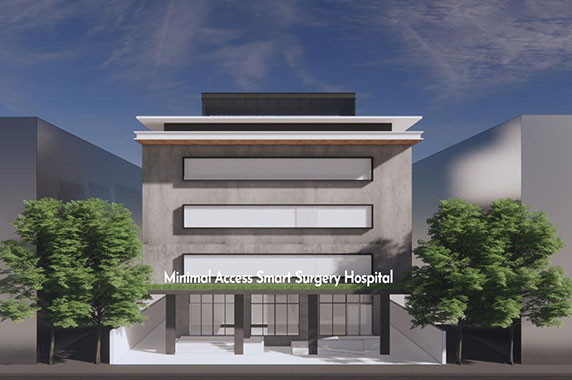
MASSH Hospital
South Delhi
50 Bedded | 
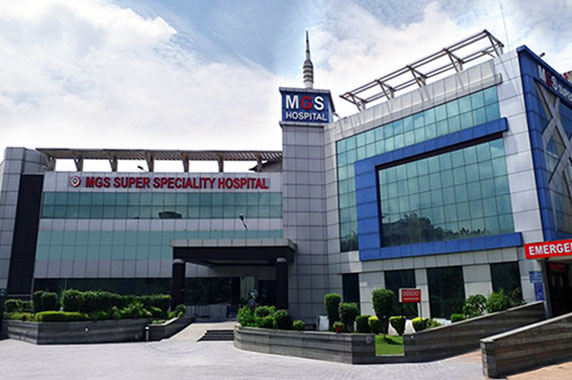
MGS-MASSH Hospital
West Delhi
150 Bedded |
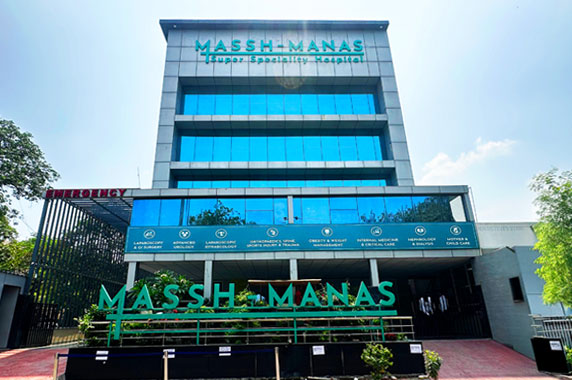
MASSH-MANAS Hospital
Noida
50 Bedded |
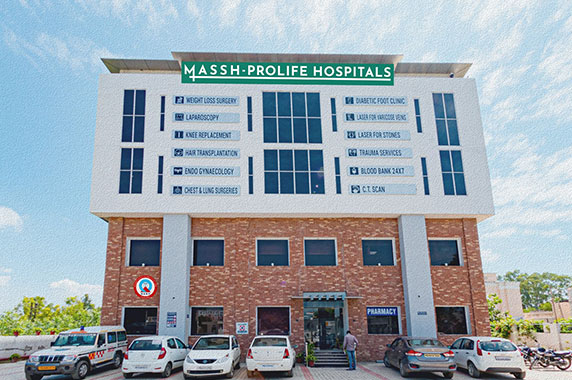
MASSH-PROLIFE Hospital
Ludhiana
100 Bedded |
MASSH Hospital, South Delhi
50 Bedded |
MGS-MASSH Hospital
West Delhi
150 Bedded |
MASSH-MANAS Hospital, Noida
50 Bedded |
MASSH-PROLIFE Hospital, Ludhiana
100 Bedded |
- Advanced Treatments
- Affordable Healthcare
- Chain of Super Speciality Hospitals
- World-Class Technology
- Short Stay Surgeries
- Expert Surgeons
- Low Infection Rate
- Comfortable & Smart Facilities
- Personalised Care
Our Senior Doctors
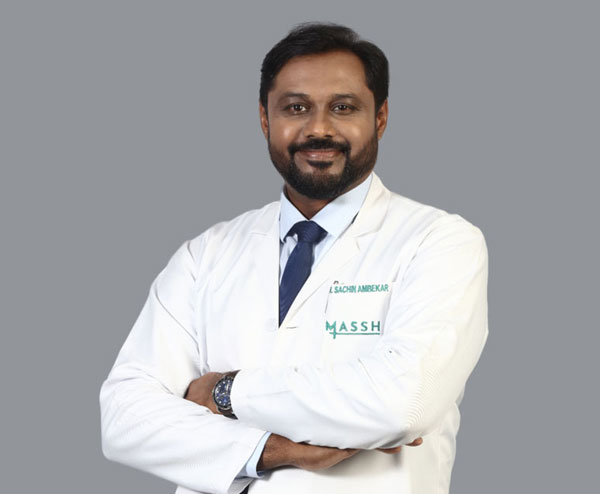
Dr. Sachin Ambekar
Director - Minimal Access Surgery & Medical Director
Chirag Enclave, South Delhi
MBBS, MD, MS (General Surgery)
Dr. Sachin is a highly qualified surgeon with a deep understanding of the importance of patient care, combined with exceptional skills and surgical prowess. He has redefined the boundaries of Minimal Access Surgery and is now a sought-after name in the medical community, gaining immense popularity among his patients and their families.
Dr. Sachin Ambekar
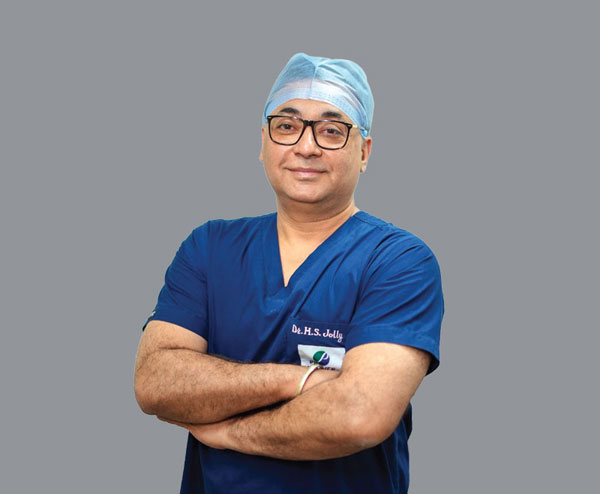
Dr. Harpreet Singh Jolly
Director - Laparoscopy & Bariatric Surgery
Gill Village, Malerkotla Road, Ludhiana
MBBS, MS, DNB, FMAS, SAGES Member
Dr. Jolly is a highly qualified surgeon with a deep understanding of the importance of patient care, combined with exceptional skills and surgical prowess. He has redefined the boundaries of Minimal Access Surgery and is now a sought-after name in the medical community in Punjab, gaining immense popularity among his patients and their families.
Dr. Harpreet Singh Jolly
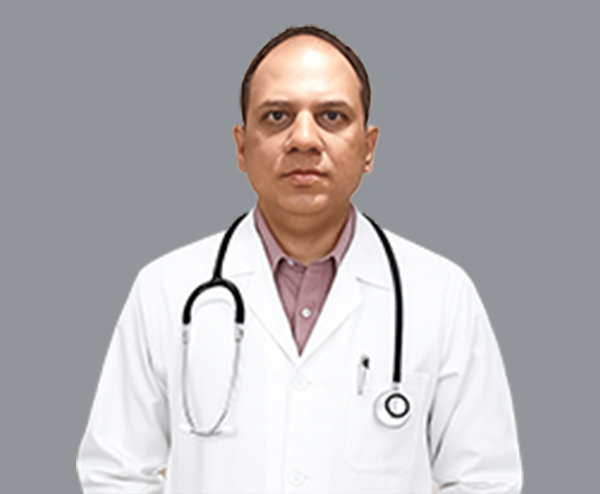
Dr. Amit Kumar
Consultant – laparoscopic GI & General surgery
Sector 34, Noida
MBBS, MS (General Surgery), Fellowships: FIAGES, FISCP
Dr. Amit Kumar is an accomplished General & GI Surgeon with more than two decades of extensive experience in surgical practice, academic teaching, and complex patient management. He completed his MBBS from Calcutta University (NRS Medical College, Kolkata) and MS in General Surgery from Ranchi University (RIMS, Ranchi).
Dr. Amit Kumar
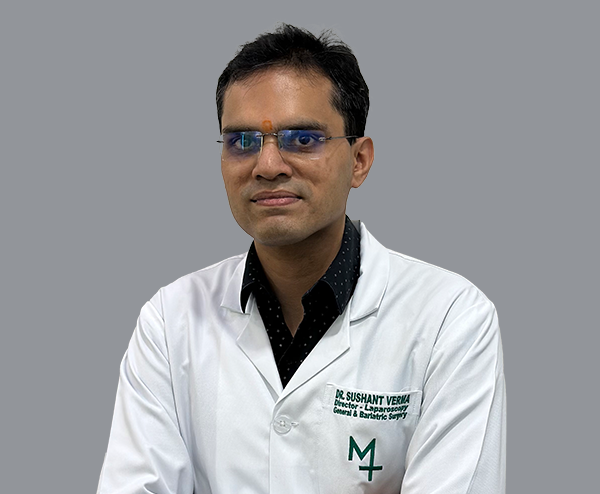
Dr. Sushant Verma
Director - Laparoscopy, General & Bariatric Surgery
Rohtak Road, West Punjabi Bagh, New Delhi
MBBS, MS, DNB, MCLS
Dr. Sushant Verma is a highly skilled Laparoscopic, General, and Robotic Surgeon with over 14+ years of rich experience, having successfully treated more than 10,000 patients. A graduate of UCMS, Delhi (MBBS 2004-09) and MS Surgery from MAMC & LNJP Hospital, he further earned his DNB in Surgery and advanced training in Minimal Access and Robotic Surgery.
Dr. Sushant Verma
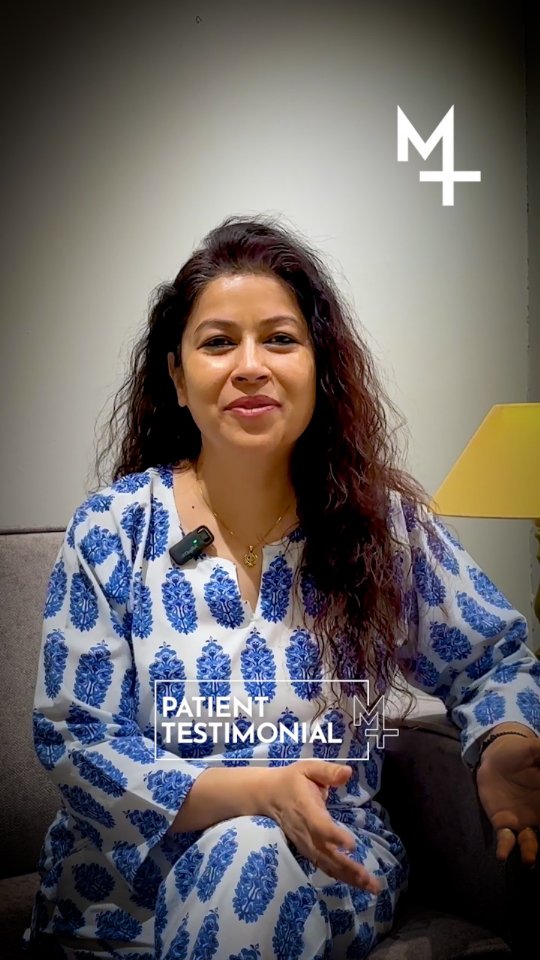
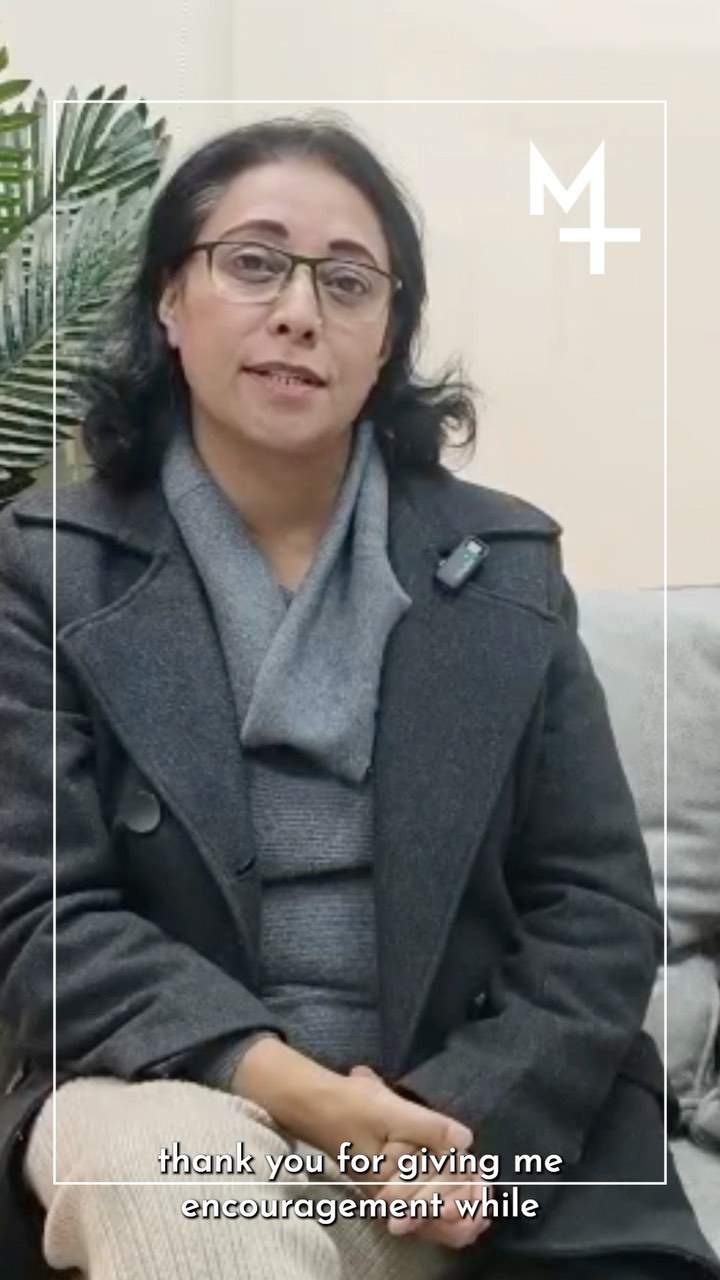
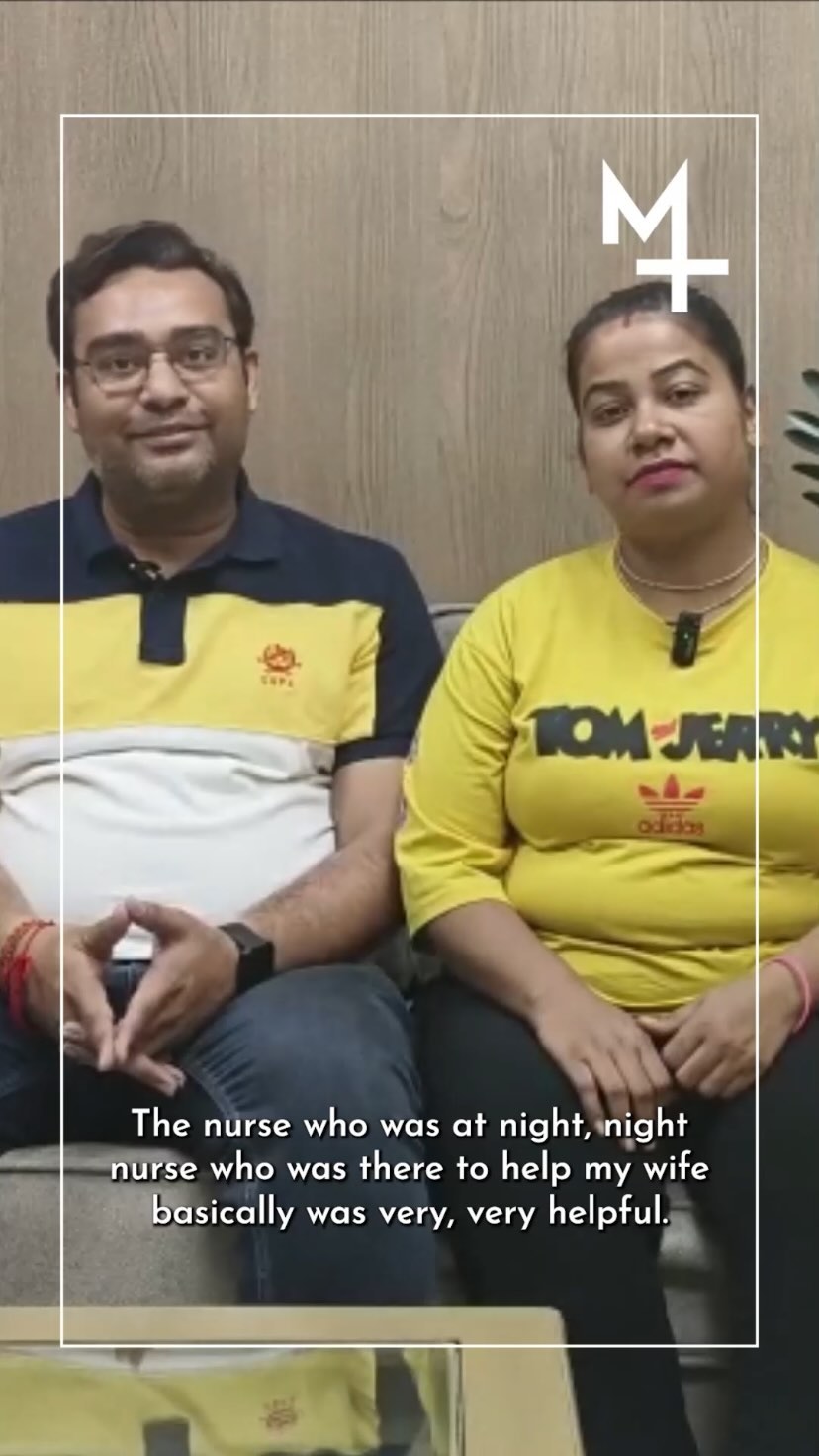
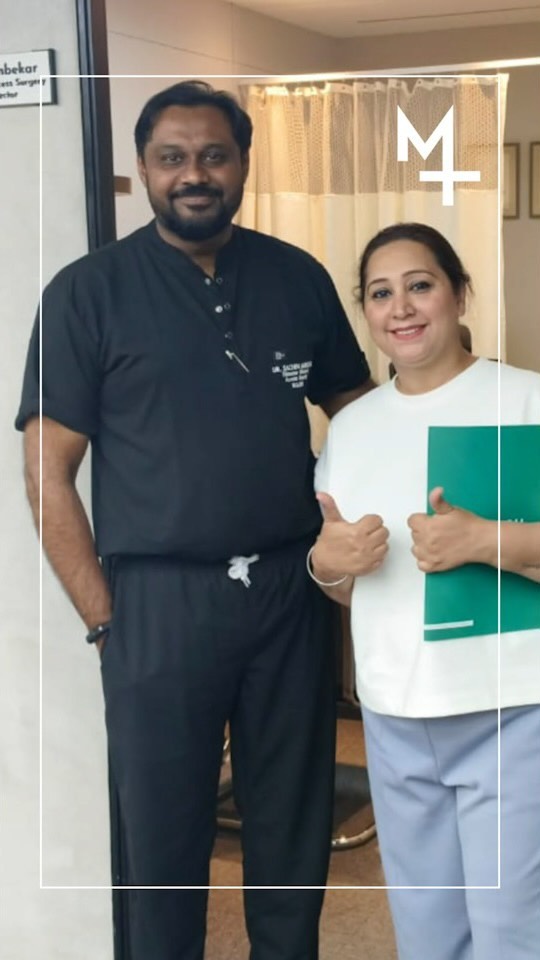
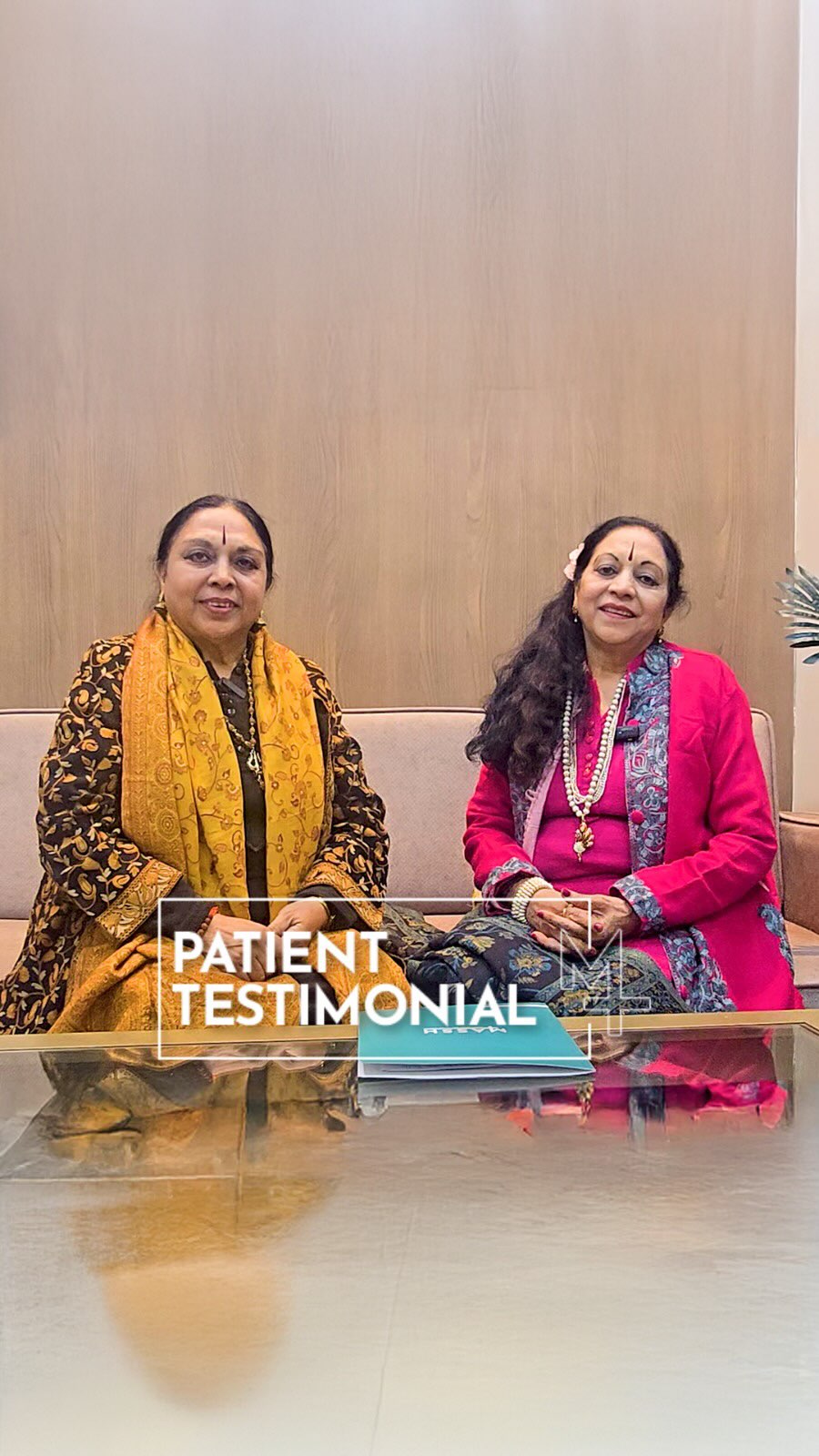
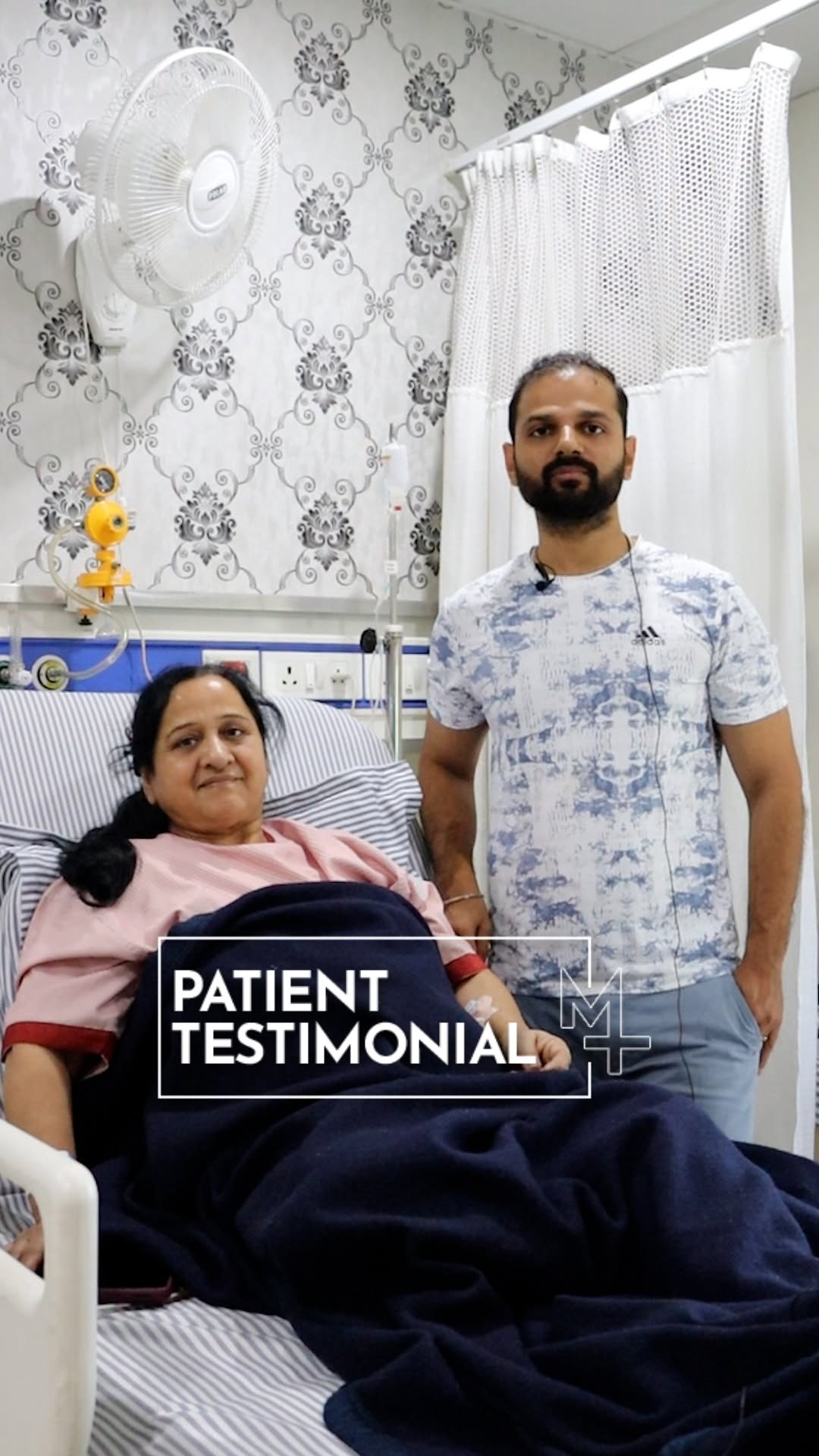
Google Reviews
I received exceptional care from Dr. Sachin Ambekar during my gallbladder removal procedure. He and his team of anesthesiologists were highly professional and provided excellent support throughout. The post-operative care was exemplary, with Dr. Sachin conducting frequent follow-up visits and making sure that I am recovering well. As a mother of an infant, I appreciated the understanding and empathy shown by the Massh team during my recovery period. Overall, my experience at Massh was great, and I extend a special thank you to Dr. Sachin Ambekar.

Ankita Oberoi
Dr Sachin Ambekar is a very good surgeon. He guided us very well about the procedure of surgery and the complications. After the surgery, we were very happy that everything was fine. Hospital room was very clean and all the staff was very helpful and well mannered. Thanks MASSH team.

Vikas Monal
I came with acute abdomen pain with sympoms of jaundice & i got admitted under physician but nxt morning after my ultrasound i got to knw tht i hv a multiple gall bladder stone then they shifted my case to Dr sachin(surgeon) who clear my all doubts and make me and my mother mentally strong for the surgery n next morning he did my surgery and after some hrs he told me to walk normally which is really shocking but I didn't feel like im a patient after my surgery every thing was normal . He came many times in my room to see my recovery. Apart frm doctors in massh hospital their nursing staff is also very trained they all came to my room after every hrs to see n way of talking was too gud n smiley in nursing sister anchal & upasna was very kind & frm pammi aunty who ws there everytime for me she did an excellent job she take cares of me frm head to toe.
Thanks alot massh for gvng me a great experience.
Room no 28
Shivani

Shivani Tomar
I was Referred to this hospital by my family Doctor to Dr. Sachin Ambekar. Had under gone Laproscopic surgery on 5th April. I have undergone few surgeries here in India and Abroad but had lots of inhibitions of going through surgery here in India again. But to my utter disbelief I had a different experience altogether at MASSH. Here the patient is being given utmost care with enough time given to each patient explaining the need and the consequences of the operation and what are the further complications etc.that may arise. The choices are open to us. It doesn't take much time to understand that we are in safest hands to take a decision. I must mention Doctors at MASSH made me feel comfortable through out procedures and post recovery too. Now I feel very happy that my decision was correct to undergo surgery here. Thanking Dr.Sachin Ambekar his entire team in OT , Dr.shastri (cardio) also the entire staff of MASSH Hospital for there exemplary services.

Nirmala venugopal Menon
Under the expert supervision of Dr. Sachin Ambedkar at Maash Hospital, I underwent an appendix surgery on 04/04/2024 that turned out to be a remarkably painless and delightful experience. From the moment I stepped into the hospital, I was greeted with a warm and professional environment that instantly put me at ease. The entire team at Maash Hospital demonstrated a high level of politeness, professionalism, and dedication to patient care. Every member of the staff, from the receptionists to the nurses and surgical team, went above and beyond to ensure my comfort and well-being throughout the entire process. Despite the apprehension associated with undergoing surgery, I was reassured by the efficiency and expertise displayed by Dr. Sachin Ambedkar and his team. The surgery itself was seamlessly executed, and the post-operative care was exceptional. Moreover, the fact that it was a single-day procedure speaks volumes about the hospital's commitment to providing efficient and effective healthcare services. Overall, my experience at Maash Hospital surpassed all expectations. I am immensely grateful to Dr. Sachin Ambedkar and the entire team for their exemplary care and professionalism. I would wholeheartedly recommend Maash Hospital to anyone in need of surgical care, knowing they will be in the best hands possible.

Anamika Gahlot
Dr. Sachin Ambekar is a brilliant surgeon who will leave no stone unturned to ensure a successful surgery. MASSH is a hospital with a difference. The staff is very courteous and caring, and the facilities are state of the art. All elements of the facility have been carefully planned for comfort and convenience. I have been to some of the best hospitals in India and Oman, but MASSH takes the cake. I highly recommend Dr. Sachin and MASSH.

Rishi Verma
The hospital have a great staff, and all I've been taking about since I was there is what a great place it is!". The doctor Mr Adarsh is very polite and very well experienced surgeon he did surgery very well and good. Very Good hospital and Good service. Overall experience was good but the waiting time must be improved. Overall treatment is good. The services were good and the staff and doctors were excellent in all ways.

Ekta Jaggi
Doctor behaviour is so good and they all are expert in our fields. Their explanation way is so highly good.

Rishi Rathore
My mother operation done on 21/12/24 lap cholecystectomy.many hospital refused due to cardiac and renal chronic disease but dr adarsh investigation properly and operated .now my mother going hometown and no complaints.

Durgesh Verma
Dr jolly is very good person and very nice doctor. Hospital is very neat and clean and all staff of hospital coperate with patient and helpful towards patient.

Rajiv Chandalya
Dr jolly is very good surgeon.i was here for my relatives surgery and hospital staff is very nice and cooperative reception staff guide properly.

Deepreet Bhangu
We are here for surgery of my father. And my father is now good and his treatment was going good under dr jolly.dr jolly is very good surgeon and all staff of hospital is very good and cooperative staff reception staff is also to good.hospital is very neat and clean.

Gopi Ubhi
Book Free Consultation for Gallbladder Stones Treatment
Please enter 4 digit confirmation code
sent on your mobile
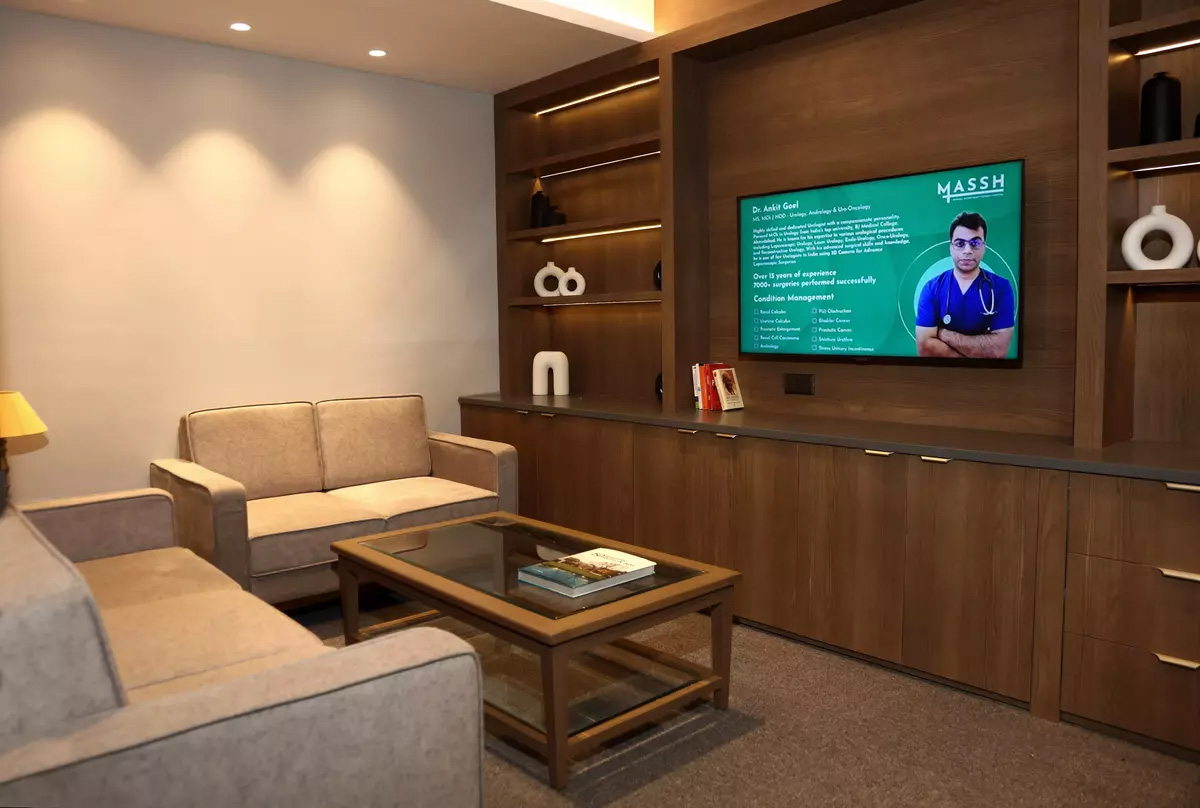
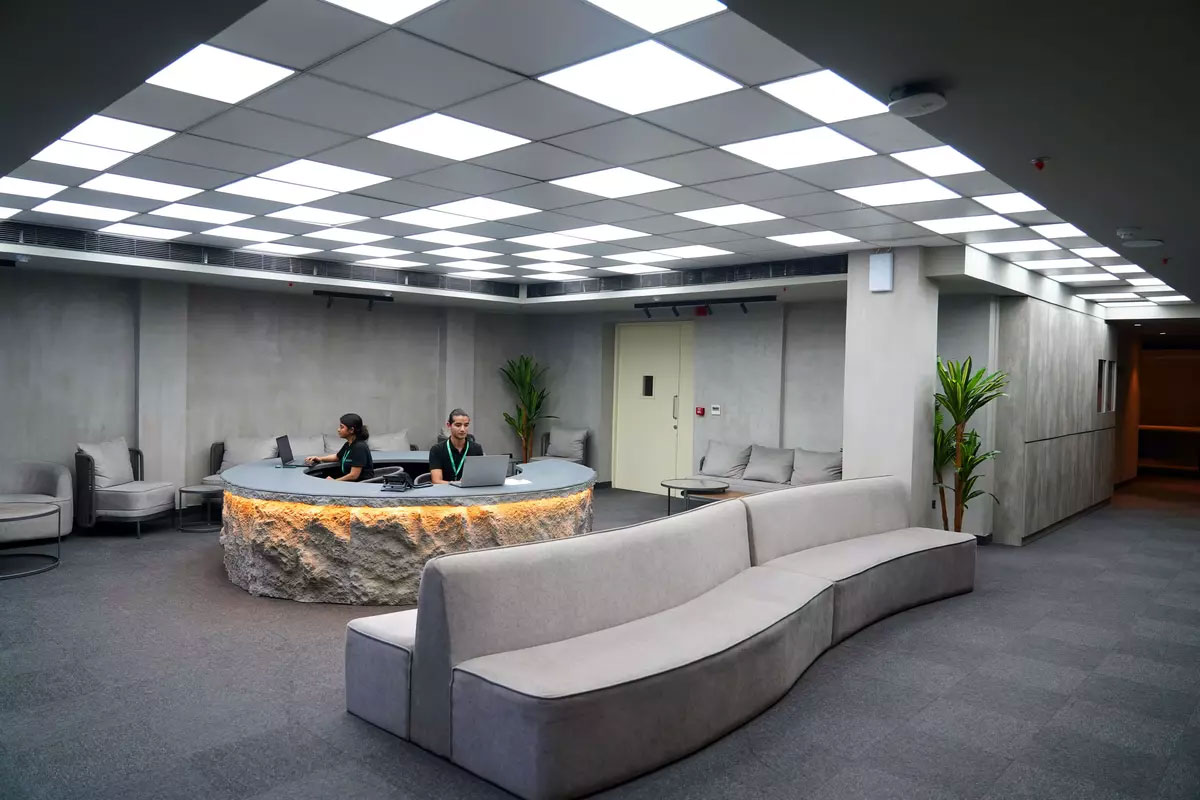
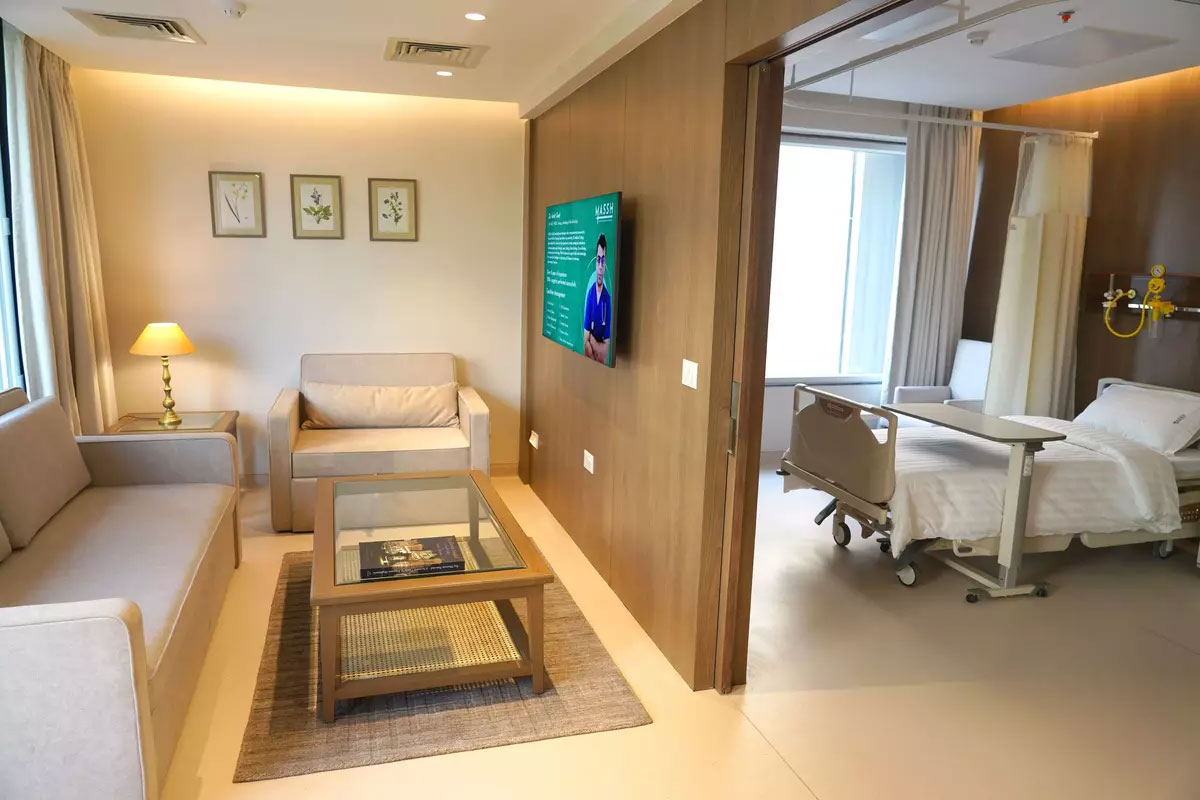
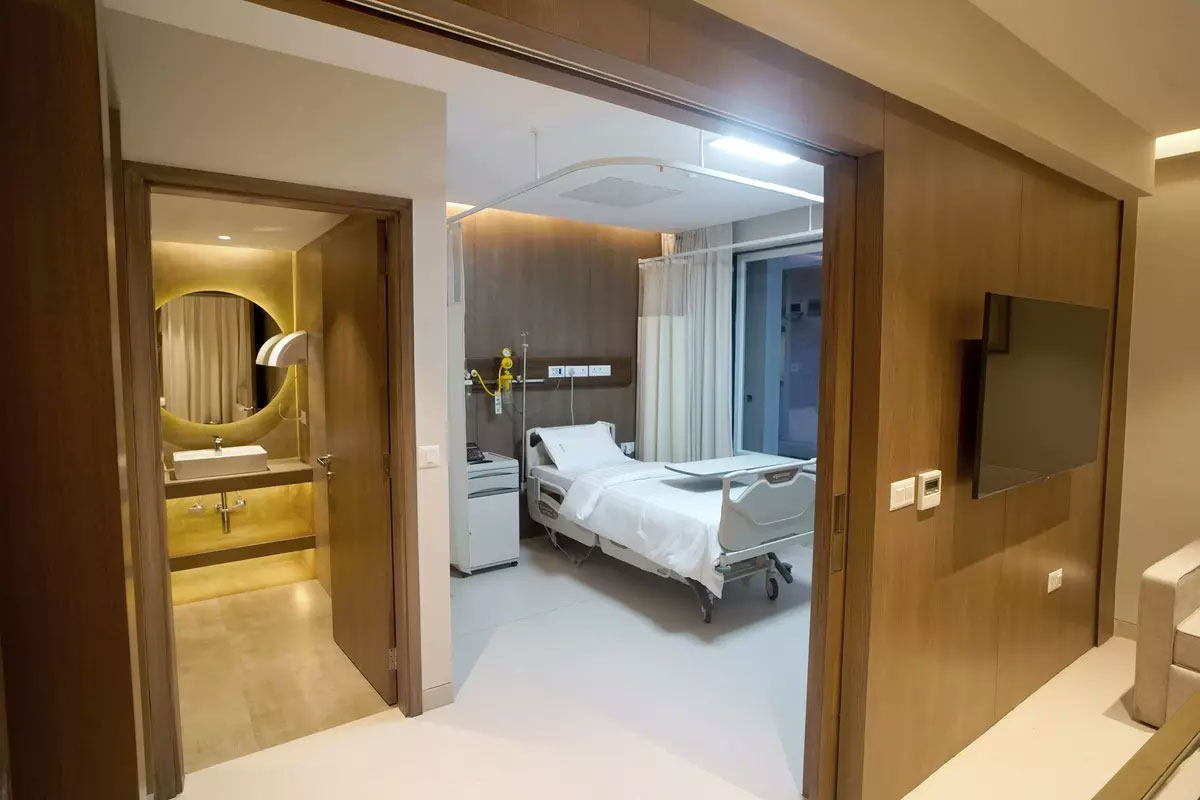
Gallery
FAQs
The most common treatment is surgical removal of the gallbladder (cholecystectomy). Medications and non-surgical methods are used in selected cases.
Yes, laparoscopic gallbladder removal is a safe and common procedure with a short recovery time.
Untreated gallstones can lead to complications like gallbladder inflammation, bile duct blockage, pancreatitis, or infection.
Yes, the liver still produces bile, which flows directly into the intestine, though some digestive changes may occur.
A low-fat diet is recommended initially. Gradually reintroduce foods and avoid fried or spicy items.
If the gallbladder is removed, gallstones cannot return. If treated without surgery, they may recur.
It is a minimally invasive surgery to remove the gallbladder using small incisions, resulting in quicker recovery and less pain.
Laparoscopic surgery usually takes 1 to 2 hours.
Most people recover in 1 to 2 weeks after laparoscopic surgery and 4 to 6 weeks after open surgery.
Risks include infection, bleeding, injury to nearby organs, and bile leakage, but these are rare.
A healthy, low-fat diet can reduce symptoms and prevent gallstones but usually cannot remove existing stones.
Yes, they are especially common in women, people over 40, those who are overweight, and people with a family history of gallstones.
Yes, but it is rare. Causes in children include obesity, certain blood disorders, and genetic conditions.