Where is your hospital located?
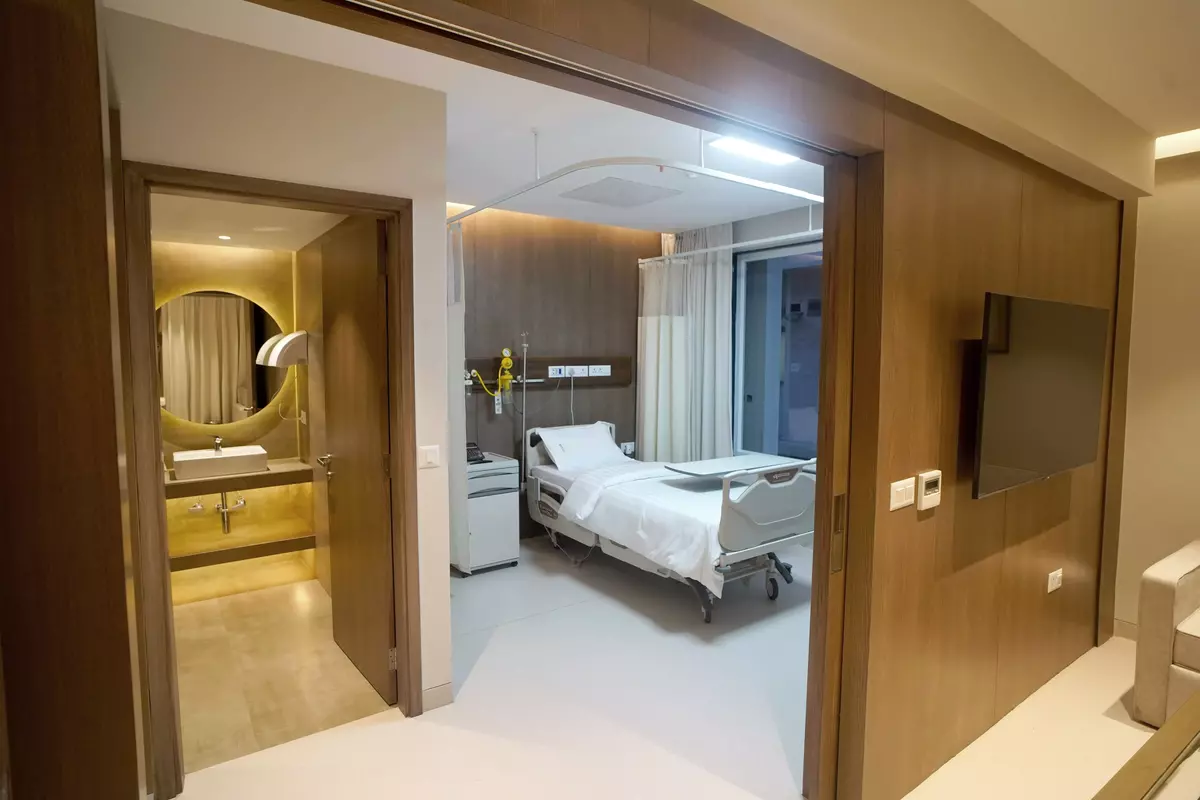
MASSH is located in South Delhi, Nehru Place. To reach us
you can follow the google directions, https://rb.gy/bmtyn
Which Urologist will do my Treatment?
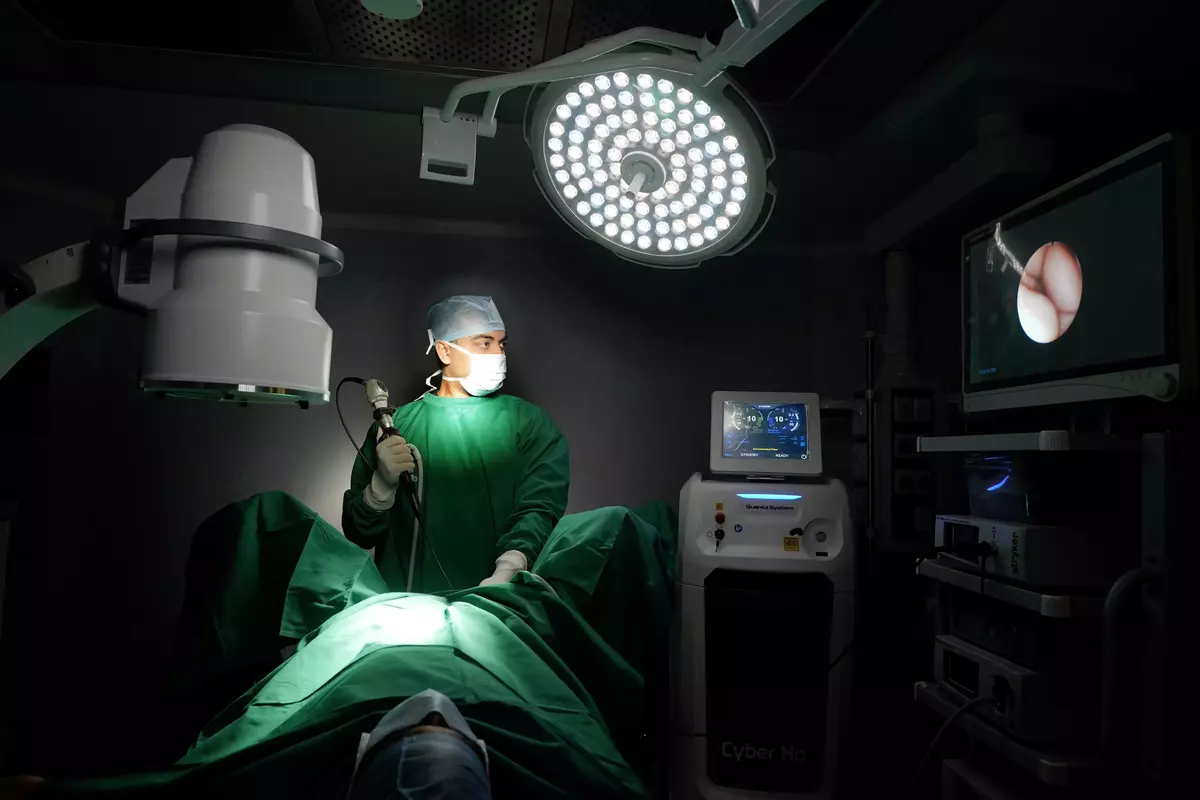
Dr. Ankit Goel will perform the kidney stone laser surgery.
With more than 12 years of experience and having performed
7000+ successful surgeries, his advanced surgical skills and
knowledge help us deliver optimal outcomes for our patients
requiring not just kidney stone treatment but any other
urological interventions. He is our head of the department
for Urology, Andrology and Uro-Oncology at MASSH - Minimal
Access Smart Surgery Hospital.
How early can I return to normal life after treatment?
You can walk from the next day and can return to your normal
lifestyle in 2 to 7 days.
What are Kidney Stones and what are the Symptoms?
Kidney Stones are solid deposits made of minerals and salts that form inside the kidneys. They can vary in size, from as small as a grain of sand to as large as a golf ball. Symptoms of kidney stones include severe pain in the back, side, or lower abdomen, pain during urination, and blood in the urine. The pain can come and go in waves and may be accompanied by nausea and vomiting. If left untreated, kidney stones can cause complications such as infection or damage to the kidneys. Treatment options include medications to manage pain and surgical procedures to remove larger stones.
What causes Kidney Stones?
Kidney stones are formed when the urine in the kidneys contains high levels of certain substances, such as calcium, oxalate, or uric acid, which form crystals that clump together and eventually grow into solid stones. Other factors that contribute to the formation of kidney stones include dehydration, obesity, and certain medical conditions such as gout or inflammatory bowel disease. Some medications can also increase the risk of developing kidney stones. Understanding the underlying cause of kidney stones is important in developing a personalised treatment plan to prevent future stones from forming.
How are Kidney Stones diagnosed?
If you suspect you have kidney stones, your doctor may perform several tests to diagnose your condition. A physical examination, urine test, and blood test can help identify any infections or other problems that may be causing your symptoms. Imaging tests like X-rays, CT scans, and Ultrasounds can help locate the stones and determine their size and location. In some cases, your doctor may also perform a 24-hour urine test to determine what substances are present in your urine and whether they may be contributing to the formation of kidney stones. With these diagnostic tools, your doctor can develop an effective treatment plan to help you manage your kidney stone symptoms.
What treatment options are available for Kidney Stones?
If you are diagnosed with kidney stones, there are several treatment options available depending on the size and location of the stones, as well as other factors such as your overall health and medical history. Non-surgical options such as pain management and increased fluid intake can help pass smaller stones on their own. However, larger stones may require more aggressive treatment. MASSH offers a range of advanced treatment options for kidney stones. Retrograde intrarenal surgery (RIRS) is a minimally invasive procedure that uses a thin endoscope to remove or fragment stones from the urinary tract. It allows for precise targeting of stones and minimal damage to surrounding tissues. Miniperc, another option, is a minimally invasive technique that combines the advantages of traditional percutaneous nephrolithotomy (PCNL) with smaller incisions, reducing postoperative pain and recovery time. PCNL, on the other hand, is a more extensive procedure that involves accessing the kidney through a small incision to remove large or complex stones. These treatments at MASSH aim to provide effective stone removal with minimal discomfort and faster recovery.
What are the benefits and risks of different Kidney Stone treatments?
The benefits and risks of kidney stone treatments can vary depending on the specific procedure and individual circumstances. Non-invasive treatments such as medications and lifestyle changes may have fewer risks, but may not be effective for larger or more complex stones.
Minimally invasive procedures can offer a quicker recovery time and reduced risk of complications compared to open surgery. However, these procedures may still carry some risks such as bleeding, infection, or damage to surrounding organs.
Your doctor will evaluate your specific case and discuss the potential benefits and risks of each treatment option with you to determine the best course of action for managing your kidney stone symptoms.